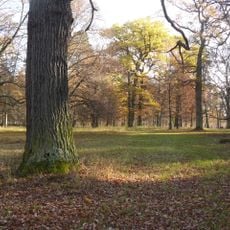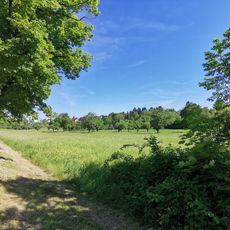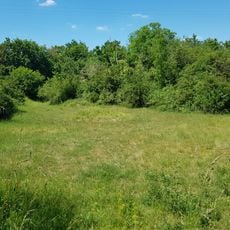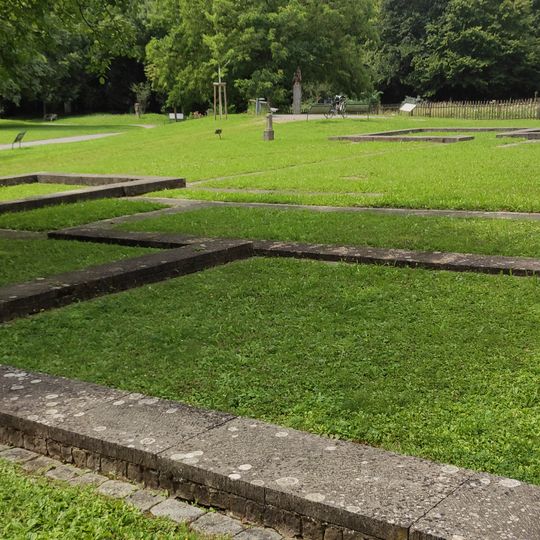
Villa rustica, Roman agricultural estate in Hoheneck, Ludwigsburg, Germany.
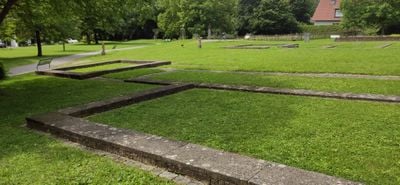
This Roman agricultural estate is preserved at the site near Ludwigsburg and shows a main residence with multiple farm buildings distributed across the property. The ground plans of these structures remain visible through markings on the site, allowing visitors to understand the layout of the entire complex.
The estate was founded in the middle of the 2nd century and later expanded substantially during the first third of the 3rd century. This second building phase shows the property flourished at that time and its owner had the means to invest in significant improvements.
The main building featured decorated walls and bathing facilities, showing how Roman architectural traditions were practiced in this region. This level of detail reveals the wealth and status of the owners and the living standards they maintained.
The site is easy to explore on foot since the ground plans are clearly marked on the ground and information panels explain the key features. It makes sense to visit during warmer months when the markings are more visible and exploring the grounds is more comfortable.
Although the original artifacts are no longer on display at the site, the ground plan patterns visible in the soil clearly show how the estate was organized and how generously it was laid out. These markings make it possible to intuitively understand the room divisions and the size of each building.
The community of curious travelers
AroundUs brings together thousands of curated places, local tips, and hidden gems, enriched daily by 92,598 contributors worldwide.