Asante Traditional Buildings, Shrines in Ashanti Region, Ghana
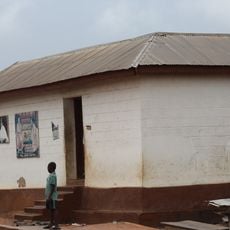
The Asante Traditional Buildings are sacred structures in the Ashanti Region made of wooden frames and mud walls with carefully crafted surface decorations. They contain multiple rooms serving different functions, including spaces for ceremonies and an area reserved for sacred objects.
The ten surviving shrine buildings date from the 18th and 19th centuries, the golden age of the Asante Empire centred near Kumasi. Most Asante buildings of that era were destroyed during the British occupation between 1806 and 1901, including the royal mausoleum, razed by Robert Baden-Powell in 1895. The ten remaining structures were inscribed on the UNESCO World Heritage List in 1980.
These structures reflect how the Asante people integrated their spiritual beliefs into daily life, with specific rooms dedicated to rituals and ceremonies. The geometric patterns and symbolic reliefs visible on the walls represent meanings that remain important to the community today.
It is best to visit with a local guide who can explain the architectural details and symbolic meanings throughout your visit. Wear comfortable shoes and prepare for warm weather, as these buildings are located in a tropical region.
The buildings survived because traditional religion is still practised at the shrines, which keeps them maintained; their mud-and-straw construction leaves them vulnerable to natural fluctuations, and a break in regular maintenance cycles or a decline in religious use threatens them. The royal mausoleum of the Asante was destroyed by Robert Baden-Powell in 1895.
The community of curious travelers
AroundUs brings together thousands of curated places, local tips, and hidden gems, enriched daily by 92,924 contributors worldwide.