Fort Saint Anthony, Portuguese colonial fort in Axim, Ghana
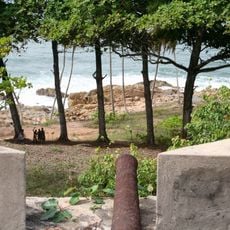
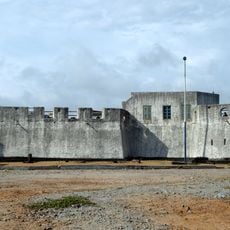
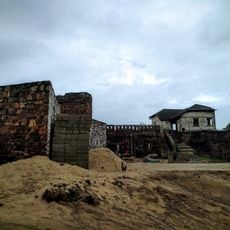
Fort Saint Anthony stands on the rocky cape at Axim, its plan roughly triangular to follow the shape of the point, with the heaviest defences facing inland. There a ditch three metres deep was cut into the rock. On the seaward side small rocky islands and reefs kept hostile ships at a distance. The Zamani Project laser-scanned the fort in 2013.
The Portuguese built the fortress in 1515, after a trading post established in 1503 near the Ankobra mouth suffered attacks from the people of Achombene. The Dutch captured it in 1642 and signed the Treaty of Axim there that year; the British briefly took it in 1664 but returned it the following year. The Dutch held it until 1872, when they traded it to the British.
The fort reflects the marks of three European powers that occupied and modified it over centuries. Visitors can observe how these different periods coexist in the building's architecture and interior design today.
The fort is open to visitors daily and sits within walking distance of local roads leading from the town of Axim. Wear comfortable shoes as the ground is uneven and staircases to upper levels can be steep.
The three-metre ditch was cut into rock on the landward side only, not around the whole fort. In 1642 the Dutch dragged cannon onto the rocky islets and reefs off the seaward side and bombarded the fort from there, which the Portuguese had counted on as natural protection.
The community of curious travelers
AroundUs brings together thousands of curated places, local tips, and hidden gems, enriched daily by 94,364 contributors worldwide.