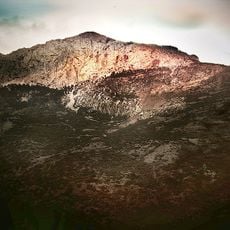
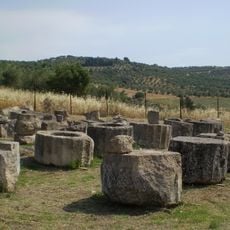
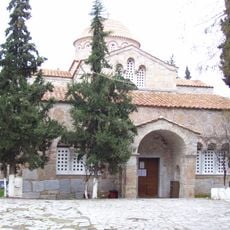
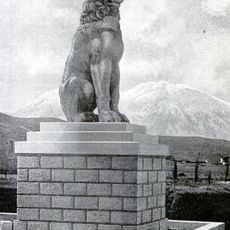
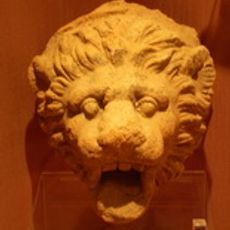
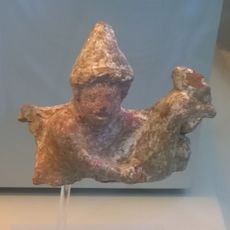
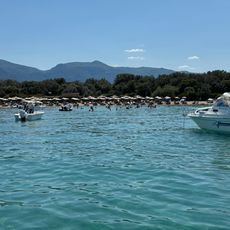
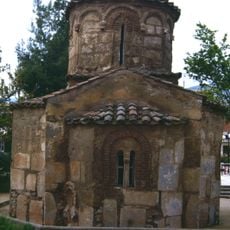
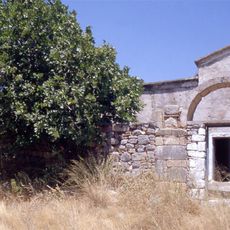
Elateia, Archaeological site in Phthiotis, Greece
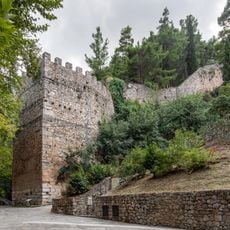
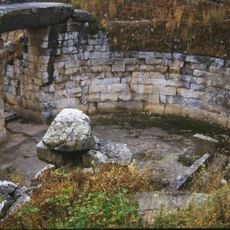
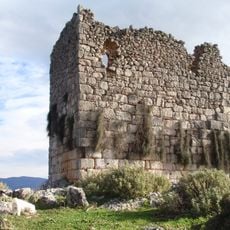
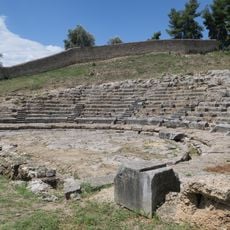
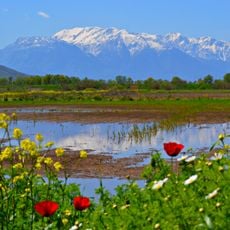
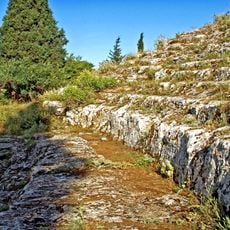
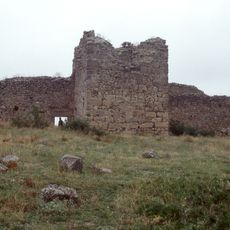
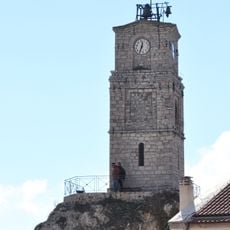
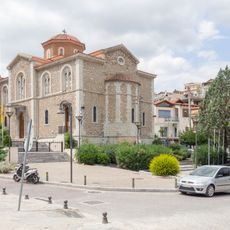
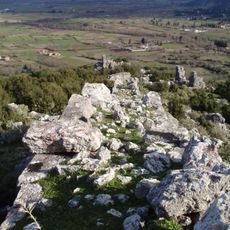
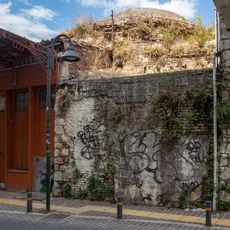
Elateia was an ancient city in the Cephissus River plain, positioned on a gentle slope and defended by fortification walls. The settlement contained major public structures including an agora, a theater, and religious sanctuaries.
The city was destroyed by the Persian army under Xerxes in 480 BC, but was later rebuilt. In 339 BC, Philip II of Macedon captured the town to control the southern Greek passages.
Residents of Elateia worshipped Asclepius and Athena, whose sanctuaries shaped the town's religious life. These deities reveal how the community defined itself through reverence and which values mattered most to its people.
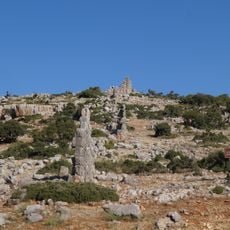
The site is best explored on foot as remains are scattered across the slope. Visitors should wear sturdy footwear and allow time to walk through all structures and fortifications properly.
The Romans granted the city freedom rights after its successful defense against General Taxiles in 86 BC. This gesture was unusual, showing how much Rome valued the town's strategic location.
The community of curious travelers
AroundUs brings together thousands of curated places, local tips, and hidden gems, enriched daily by 92,357 contributors worldwide.