Vilia, village in Greece
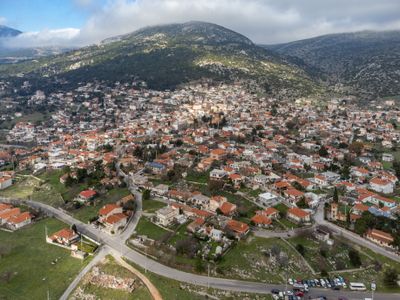
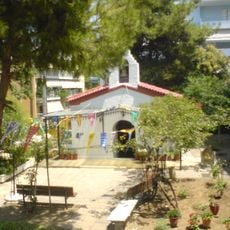
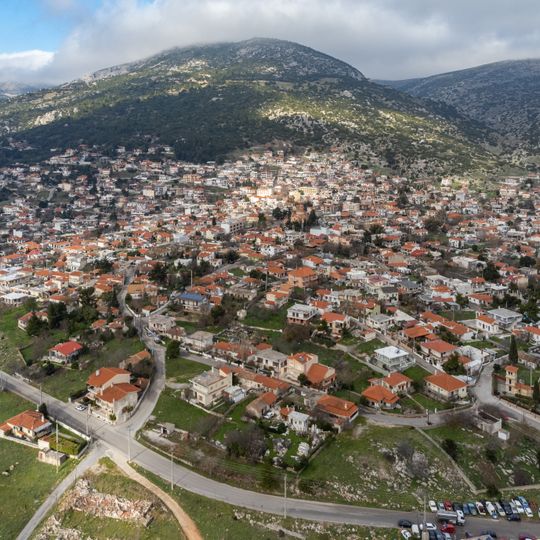
Vilia is a village in the Mandra-Eidyllia Municipality in West Attica, Greece, located about 56 kilometers northwest of Athens. It sits on the southern slopes of Mount Cithaeron at about 500 to 600 meters elevation in an amphitheater-like layout, with modest houses, scattered churches, and a central square where residents and visitors gather.
Vilia was founded around 1230 when people moved into the mountains to escape pirate attacks on coastal settlements, with Albanian-origin residents arriving in the 14th and 15th centuries. The village played an active role in the Greek Revolution of 1821, with many residents participating in fighting against the Ottomans, leading to the village being burned down later that year.
The Arvanites, a community with origins in the Balkan region, settled here in the 14th century and brought their own language and traditions. Today, local words and place names still reflect their Arvanitic language, such as the spring of Goura, which means spring in their dialect.
The village is easily reached by car, about 40 kilometers southeast of Athens, offering a quiet retreat for visitors escaping the busy city. In winter, snowfall and road closures can occur, so it is advisable to check weather conditions before traveling there.
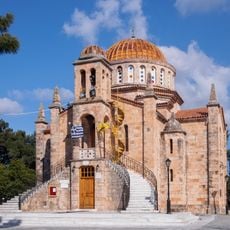
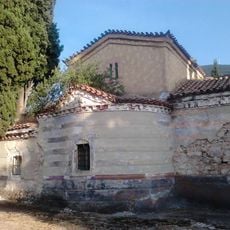
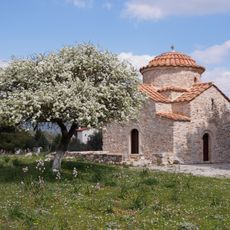
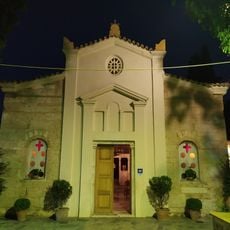
The Church of the Transfiguration of Christ was designed by Ernst Ziller, a notable architect whose design brought Western architectural elements to this mountain village. In winter, snowfall can transform the landscape into a snow-covered alpine village, and historical accounts mention that members of the royal family visited the area for its winter beauty.
The community of curious travelers
AroundUs brings together thousands of curated places, local tips, and hidden gems, enriched daily by 92,762 contributors worldwide.