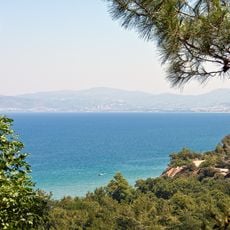
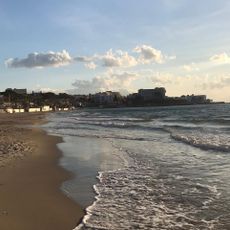
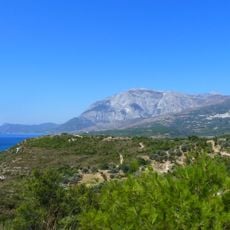
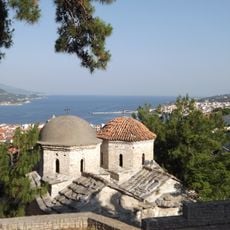
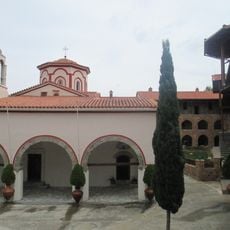
Pythagoreion, Archaeological site in Samos, Greece.
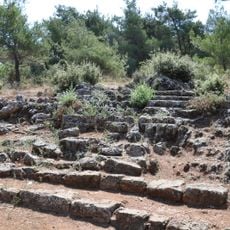
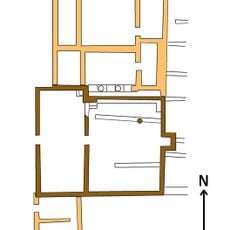
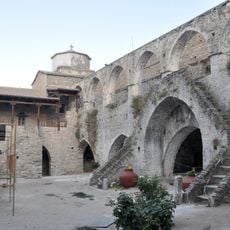
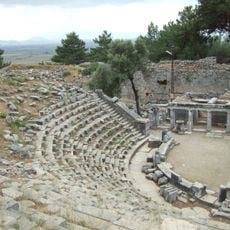
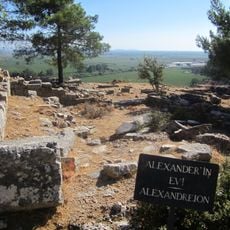
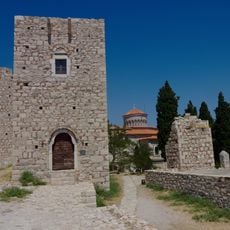
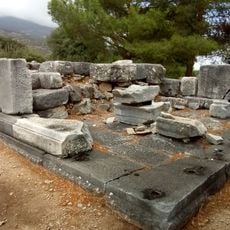
Pythagoreion is the archaeological site of ancient Samos, with Classical-period fortifications from the 5th–4th centuries BC, a street plan, sewage system, and public and religious buildings. Roman remains include an agora, public baths, a stadium, and town houses. The Tunnel of Eupalinos, an ancient aqueduct, also lies within the site.
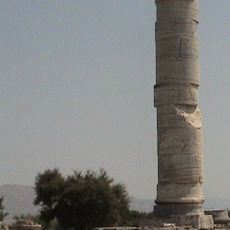
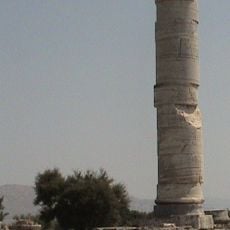
Settlement began around the 16th century BC, when Minoans colonized Samos; the oldest finds on the site date to the 4th millennium BC. The town reached its height in the 6th century BC under the tyrant Polycrates, who built the Heraion, the Tunnel of Eupalinos and a harbour mole. It was conquered by the Persians shortly afterwards but remained an influential trading centre until the 3rd century AD.
The site's name comes from the modern town of Pythagoreio, which honours the philosopher Pythagoras, born on Samos. Visitors can walk the paved streets of the ancient town and see houses with mosaic floors, plus the fortifications of the Classical period. The Eupalinian aqueduct, dug by Eupalinos of Megara, is the monument most associated with the site.
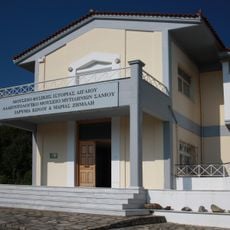
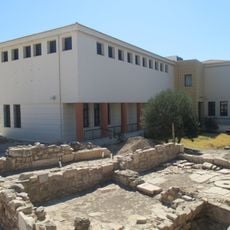
The archaeological site lies next to the modern town of Pythagoreio, and the museum is in the town centre, not on the excavated grounds. The Classical-period fortifications enclose the ancient street plan, so allow time to walk between the gates, public buildings and Roman baths.
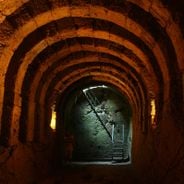
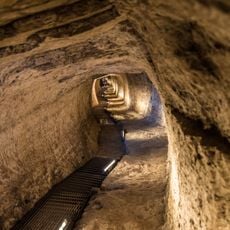
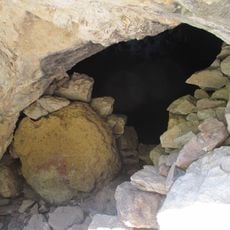
Below the ground lies a tunnel dug over 2500 years ago to bring water to the city, stretching for about 1 kilometer. This underground channel revealed the engineering skill of ancient Greeks in solving water supply problems.
The community of curious travelers
AroundUs brings together thousands of curated places, local tips, and hidden gems, enriched daily by 93,596 contributors worldwide.