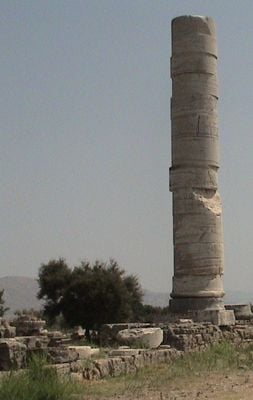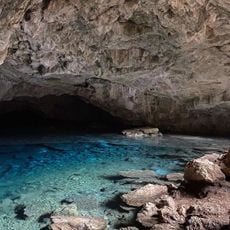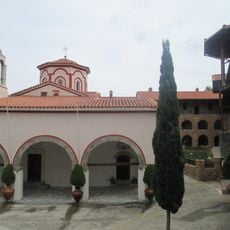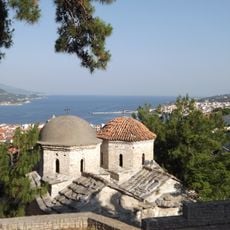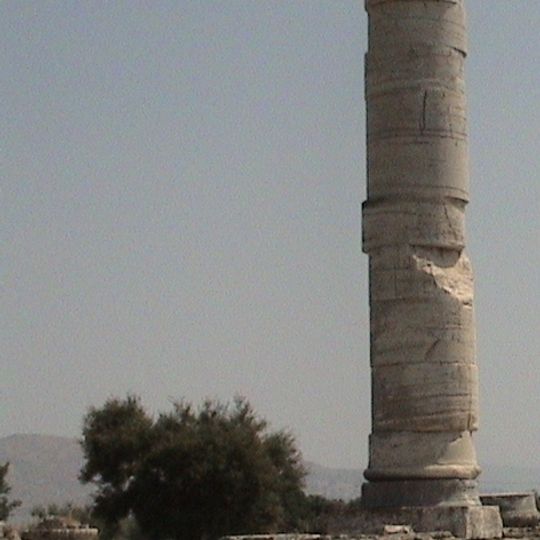
Pythagoreion and Heraion of Samos, Archaeological site in Samos island, Greece
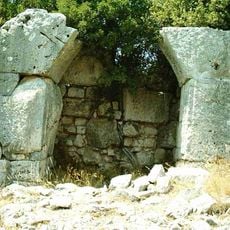
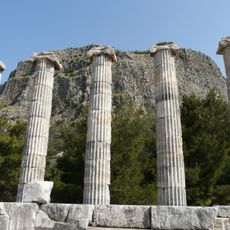
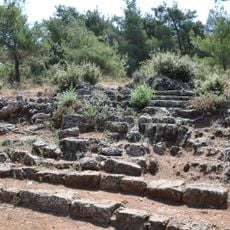
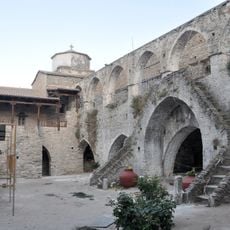
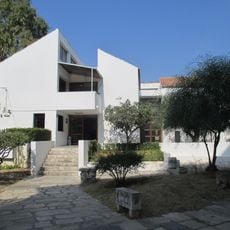
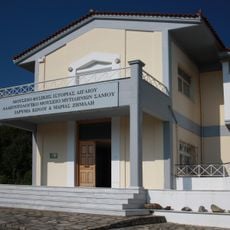
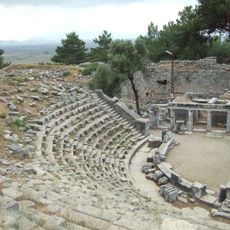
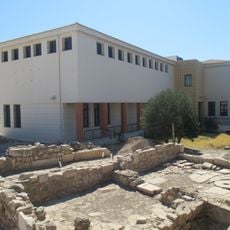
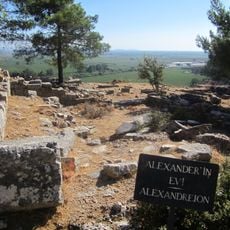
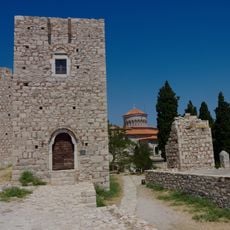
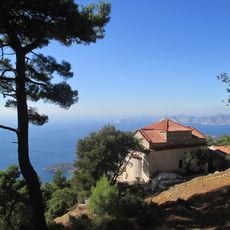
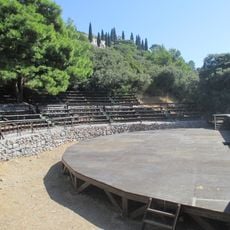
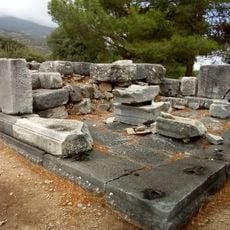
Pythagoreion and Heraion of Samos are two interconnected archaeological sites on the Greek island of Samos, displaying remains spanning over 4000 years. The site encompasses temples, fortifications, underground water systems, and a museum holding thousands of objects that document ancient daily life and religious practices.
The settlement emerged in ancient times and developed from the 4th century BCE into a wealthy and influential city under the tyrant Polycrates. Decline followed with conquests by Persians, Romans, and later Ottomans, whose rule shaped the region for many centuries.
The Heraion served as a religious center that drew people from across the region to participate in festivals and make offerings to goddess Hera. The sanctuary reveals how important female deities were in ancient society and how communities gathered around shared places of worship.
Visitors should arrive in early morning hours when the site is less crowded and temperatures are milder. The area spans a large expanse, so wearing comfortable shoes and bringing plenty of water is helpful.
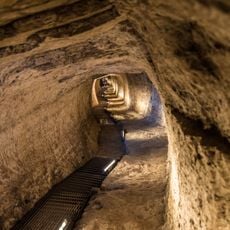
An impressive underground aqueduct was built in the 6th century BCE and still functions partially today, revealing the engineering brilliance of ancient inhabitants. This water system allowed the city to maintain adequate supply even during dry periods.
The community of curious travelers
AroundUs brings together thousands of curated places, local tips, and hidden gems, enriched daily by 92,130 contributors worldwide.