Archaeological Museum of Kavala, Archaeological museum in Eastern Macedonia, Greece
The Archaeological Museum of Kavala displays artifacts from ancient settlements including Neapolis, Amphipolis, Oisyme, and Galypsos across several exhibition spaces. The collection spans objects from different historical periods across the region.
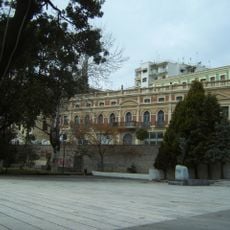
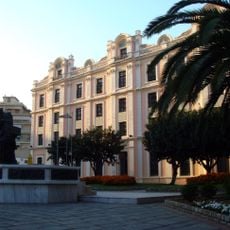
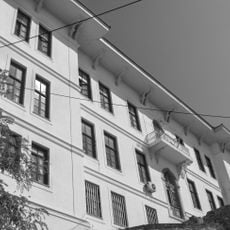
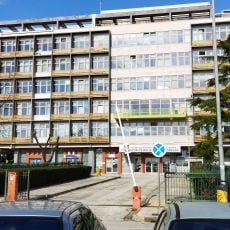
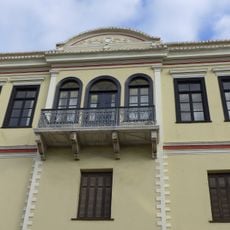
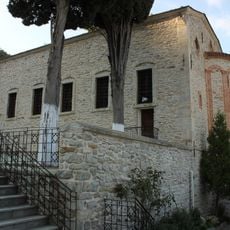
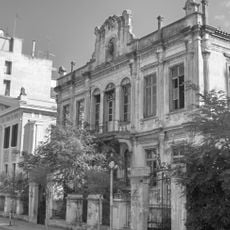
The museum was founded in 1934 and relocated to its current location in 1964 to house the region's archaeological discoveries. The building itself was designed by architects Dimitrios Fatouros and Ioannis Triantafyllidis.
The permanent exhibition shows how the region developed from Neolithic times through the Roman period, with clay figurines, sarcophagi, and coins of Macedonian kings displayed across the museum's various rooms.
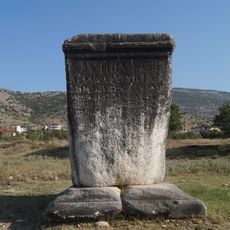
The museum stands at the western end of Ethnikis Antistasis road in Kavala. It is closed on Mondays; in summer it opens weekdays 8:00–19:00 and weekends 8:00–14:30, while winter weekday closing is 17:00. The atrium and courtyard, with Roman architectural members and carved stelai, are part of the visit.
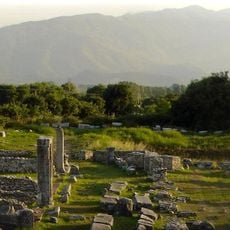
The museum's atrium displays two full-height columns from an early 5th century BC Ionic temple made from white marble quarried on nearby Thassos island. These rare architectural remnants reveal the craftsmanship and resources available to the ancient settlements.
The community of curious travelers
AroundUs brings together thousands of curated places, local tips, and hidden gems, enriched daily by 93,518 contributors worldwide.