Kavala aqueduct, Ottoman aqueduct in Kavala, Greece
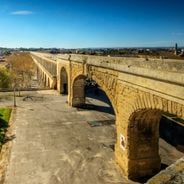
The Kamares aqueduct spans across the landscape using numerous stone arches that rise considerably above ground level. The structure was built to carry fresh water from a distant mountain source into the city.
A powerful ruler ordered construction of this water system during the 1530s, creating essential infrastructure for the city. The project built upon earlier work and used existing foundations already in place.
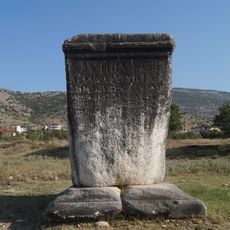
Locals call the aqueduct Kamares, Greek for "arches." Two inscriptions in Arabic and Greek record that its restoration in 1818 was funded by Mehmet Ali, the Ottoman governor of Egypt, whose masons brought stone piers from Egypt. Water from the springs at the Mound of Water reached public fountains, public buildings and a few private houses.
You can see the structure best from below by walking under the arches or looking up from the sides. Walking is the best way to access it, and daytime visits help you see the height and details more clearly.
The structure rests on foundations of an older wall that may have served water transport purposes even before. This hidden layer beneath the visible aqueduct shows how long people have been moving water through this area.
The community of curious travelers
AroundUs brings together thousands of curated places, local tips, and hidden gems, enriched daily by 92,882 contributors worldwide.