Mehmet Ali House, building in Kavala, East Macedonia and Thrace, Greece
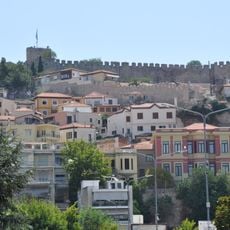
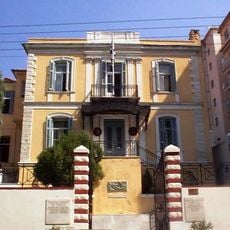
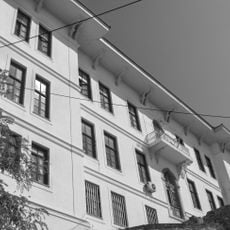
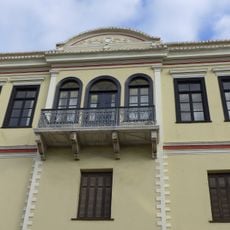
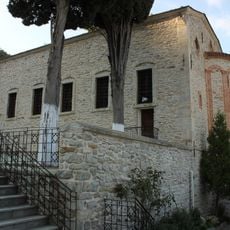
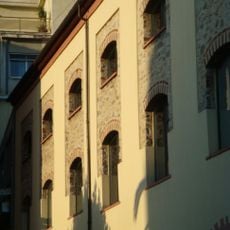
The Mehmet Ali House is a two-story residence with traditional Ottoman architecture in Kavala's Old Town. It contains separate living areas for men and women, a hammam, and reception rooms located on the upper floor.
Built in the last quarter of the 18th century, the house was the largest in Kavala at the time. Mehmet Ali, born in Kavala in 1769, moved in after 1787 when his marriage to the wealthy widow Amina gave him the means; his father could not have afforded such a mansion. In 1798 he left for Egypt with a force of about 300 men sent to block Napoleon, and by 1805 he was governor of Egypt. The house, like the Imaret, is Egyptian waqf property.
The house reveals how wealthy families organized their lives during Ottoman times, with separate spaces for men and women reflecting different social roles. The furnishings and decorated fireplaces show how an influential family lived in those days.
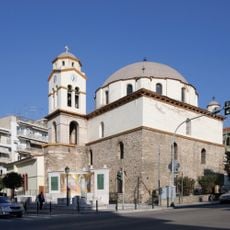
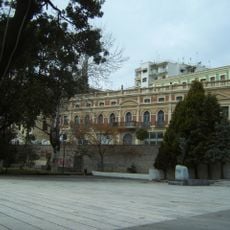
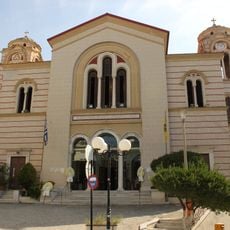
The house stands on Mehmet Ali Square on the ridge of the Panagia peninsula, next to the Church of the Dormition of the Theotokos, and is reached by a monumental staircase built in 1932 by the Kavala engineer Kalokardis, which bridges the 2.5-metre difference between the square and the entrances. The building is managed by the MOHA Research Centre, founded in 2006, and works as a museum with multimedia displays.
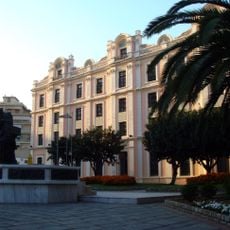
A bronze statue of Mehmet Ali on horseback stands in the square in front of his former home, marking his importance to the region. Remains of his mother's tomb have also been preserved at this location.
The community of curious travelers
AroundUs brings together thousands of curated places, local tips, and hidden gems, enriched daily by 93,140 contributors worldwide.