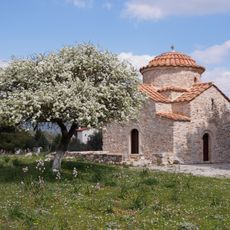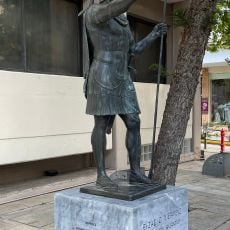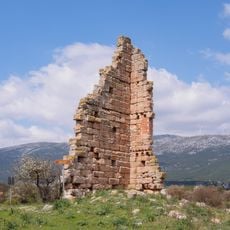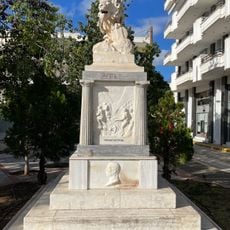
Plataea, Archaeological site in Boeotia, Greece
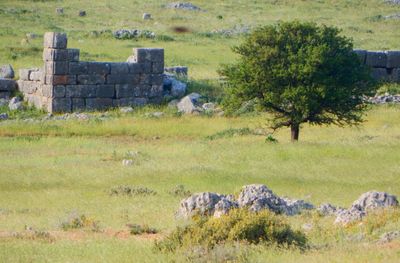
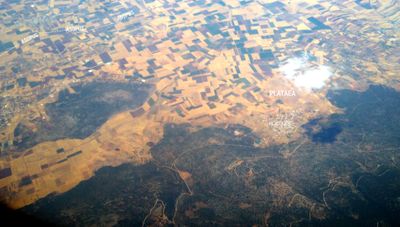
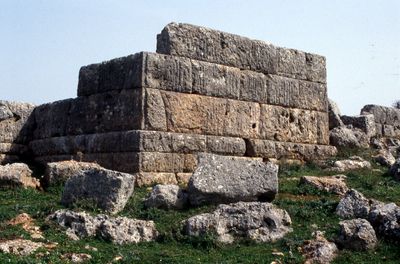
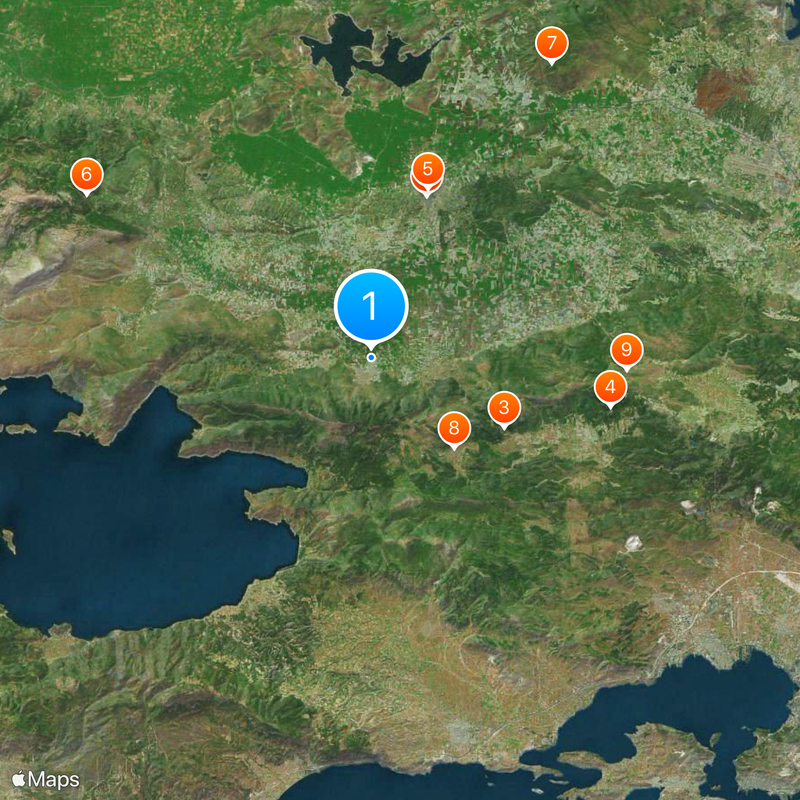
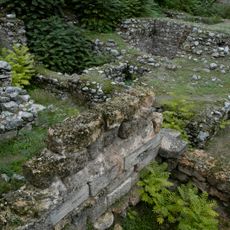
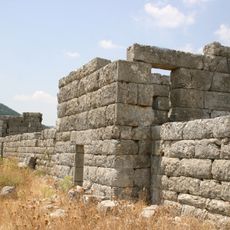
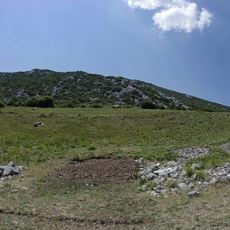
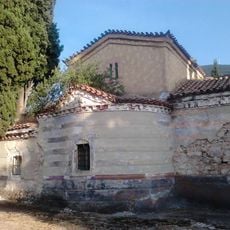
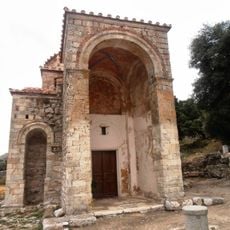
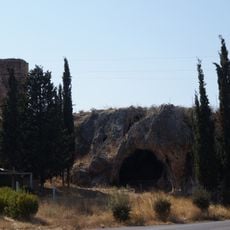
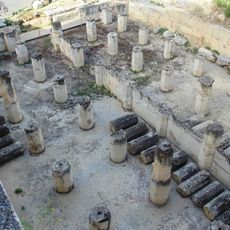
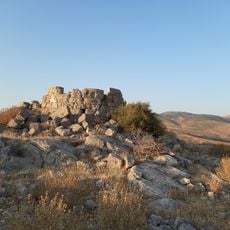
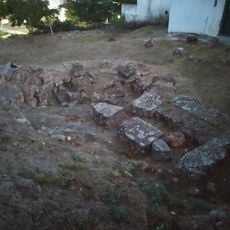
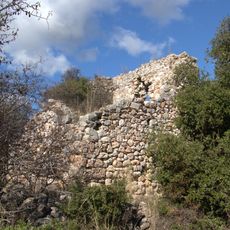
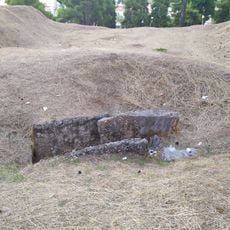
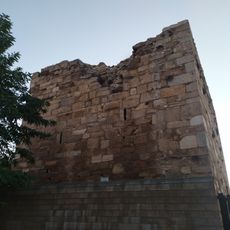
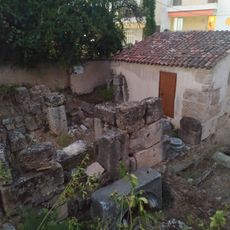
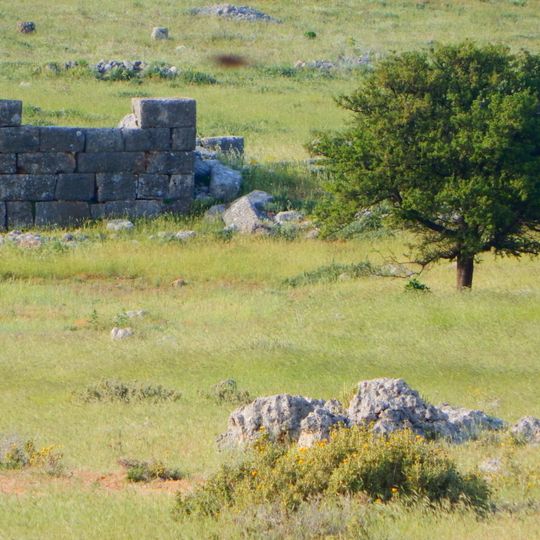
Plataea was an ancient city on a triangular plateau at around 300 meters elevation, located below Mount Cithaeron near the modern settlement of Plataiai. The remains show fortification walls, building foundations, and other structures that reveal how the ancient Greeks built their defensive settlements and organized their towns.
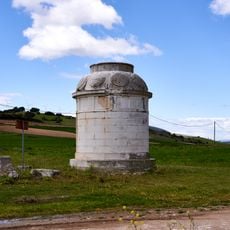
In 479 BCE, a decisive battle took place here where the Greeks defeated the Persians, ending the invasion of mainland Greece. This event became a turning point in ancient history and made the place symbolic of Greek independence.
The people here honored Zeus the Liberator through temple ceremonies, remembering soldiers who gave their lives defending their land. These annual gatherings showed how deeply the community valued those who had protected their home.
Visiting requires basic mobility to walk over uneven ancient remains and terrain. The plateau offers little shade, so a hat and water are useful, especially on warmer days.
The city allied with Athens around 519 BCE against Thebes, setting off a chain of conflicts that would shape its history. This choice of alliance carried consequences that stretched across centuries and defined its relationships with neighbors.
The community of curious travelers
AroundUs brings together thousands of curated places, local tips, and hidden gems, enriched daily by 90,838 contributors worldwide.