Northern Greece, Geographic region in Greece
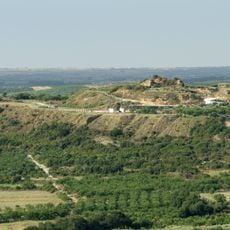
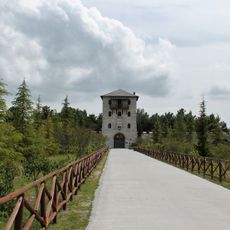
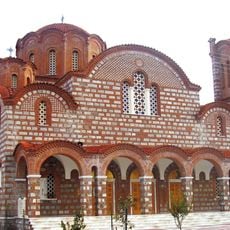
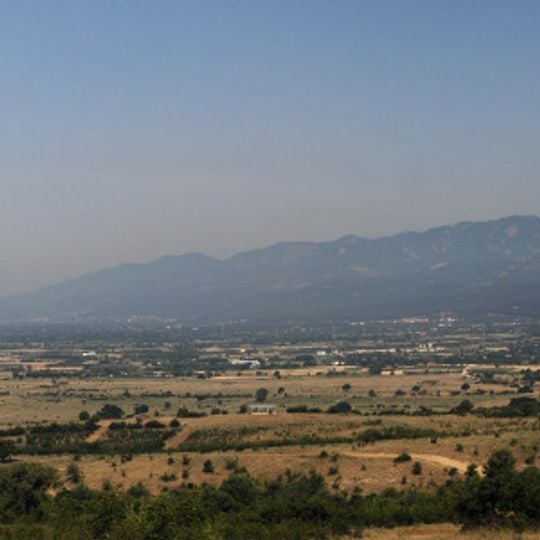
This region spans from mountain ranges in the west through plains to the Aegean coast in the east, covering historical territories of Macedonia, Thrace, and Epirus. Thessaloniki functions as the main city, serving as a hub for transportation and commerce across the area.
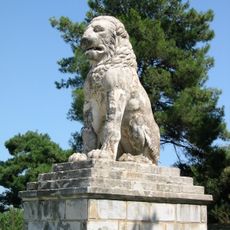
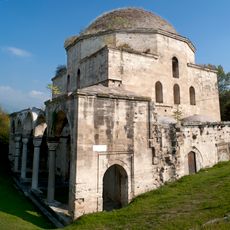
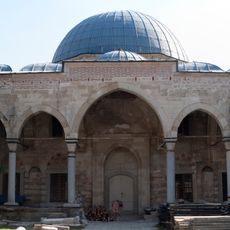
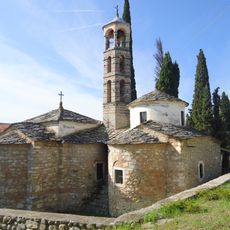
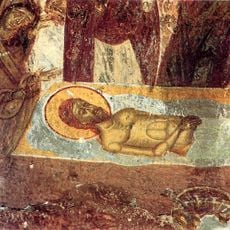
The region served as a crossroads where Macedonians, Thracians, Romans, and Byzantines built settlements and trade networks over centuries. Ottoman rule later shaped the culture and infrastructure before it became part of modern Greece.
Local traditions blend Balkan and Mediterranean influences visible in regional festivals, crafts, and food throughout the area. Smaller villages maintain old ways of living and handwork that define daily life and community gatherings.
Spring and autumn offer the most comfortable weather for exploring the region's varied landscapes and towns. Thessaloniki serves as the main transportation hub with good bus and train connections to other areas within the region and beyond.
A major mountain range with more than 50 peaks runs through the region, offering challenging terrain for hikers and nature explorers. This prominent ridge holds special meaning in ancient mythology as the legendary home of the gods.
The community of curious travelers
AroundUs brings together thousands of curated places, local tips, and hidden gems, enriched daily by 92,308 contributors worldwide.