Volcano of Milos, Active geological formation in Milos, Greece
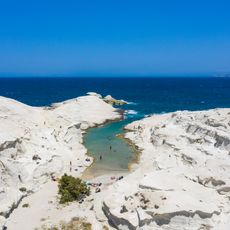
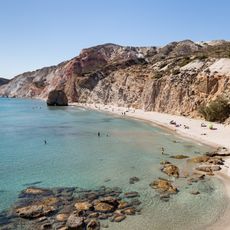
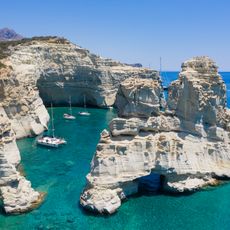
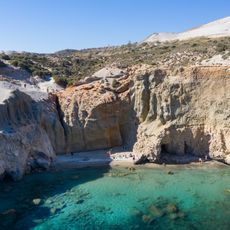
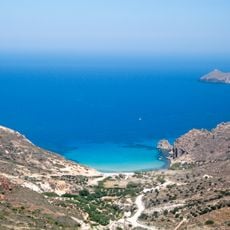
The Volcano of Milos is a geological formation that spans across the island and forms part of the South Aegean Volcanic Arc. The landscape displays colorful mineral deposits, exposed lava layers, and rock formations that reveal the volcanic history across different areas of the island.
Volcanic activity in this region began roughly five million years ago and created the geological foundation for Milos and nearby islands. This ongoing geological process has continued to shape the island's landscape and remains an active part of the region's geology.
The volcano has shaped Milos' identity since ancient times, influencing how people have used and valued the island's resources. Today, visitors can see how volcanic minerals still define local trade and craft traditions that remain visible throughout the island.
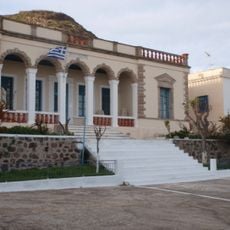
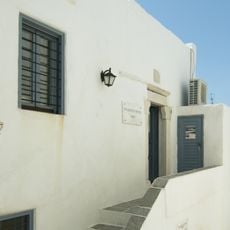
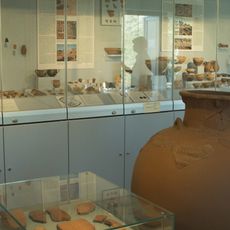
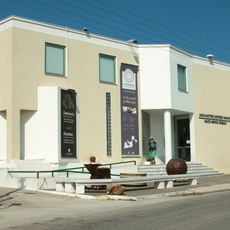
The best place to learn about the volcanic activity is the Mineralogical Museum located near Adamas port, where you can see rock samples and learn about the geological processes. From there, you can easily reach walking trails that lead to different volcanic sites and mineral deposits around the island.
Obsidian from this volcanic formation was mined since the Stone Age and became a valuable trade item that drew people across the Mediterranean. The island's early reliance on this precious material makes it an example of specialized trade in the ancient world.
The community of curious travelers
AroundUs brings together thousands of curated places, local tips, and hidden gems, enriched daily by 92,296 contributors worldwide.