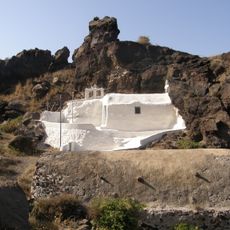
Hellenic arc, Geological formation in Mediterranean Sea, Greece
The Hellenic arc is a geological formation that extends through the Aegean Sea from western Greece to Crete, creating a curved zone of volcanic and tectonic features. This structure spans several hundred kilometers and connects multiple islands into one continuous geological system.
The Hellenic arc developed over millions of years through the ongoing collision between the African and Eurasian plates in the Mediterranean region. These tectonic processes continue to shape the geological activity of the area today.
The geological structure influences local communities across multiple Greek islands, where inhabitants maintain traditions connected to marine activities and natural resources.
The region is prone to earthquakes, so visitors should check current conditions before traveling and follow local safety guidance. For those interested in exploring the geological features, several islands offer geological museums and guided tours.
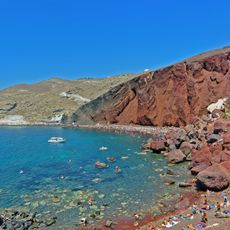
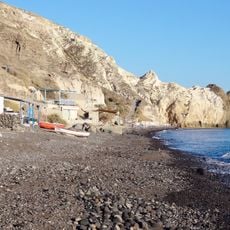
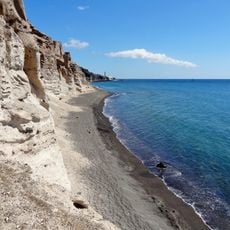
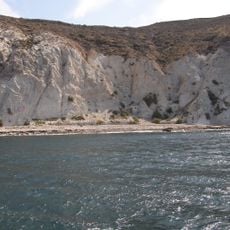
The formation contains several active volcanoes, including those on Santorini and Milos islands, which produce distinctive mineral deposits and rock formations. These volcanic islands also display hot springs and mineral sources that reflect the ongoing geological activity.
The community of curious travelers
AroundUs brings together thousands of curated places, local tips, and hidden gems, enriched daily by 92,678 contributors worldwide.