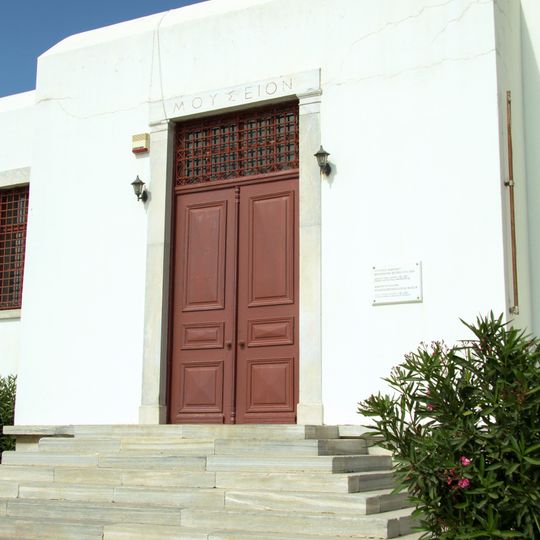
Archaeological Museum of Mykonos, Archaeological museum in Mykonos, Greece
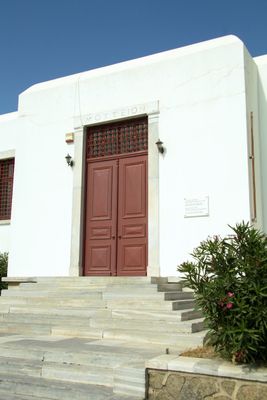
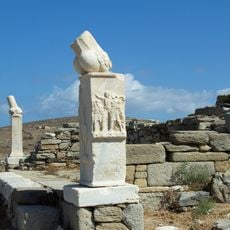
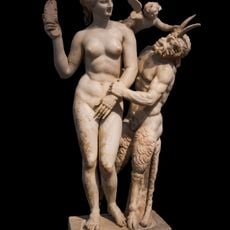
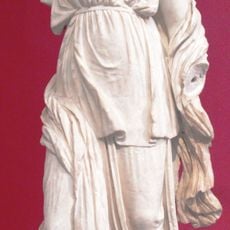
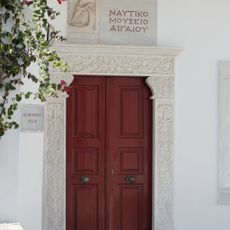
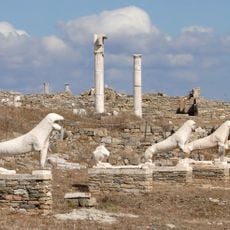
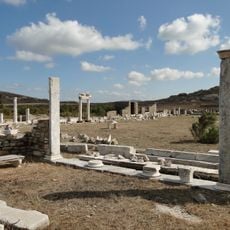
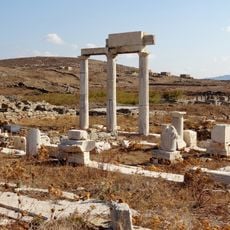
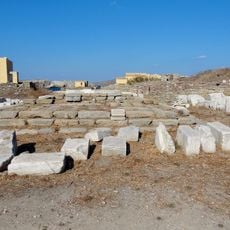
The Archaeological Museum of Mykonos occupies a neoclassical building overlooking the old harbor and displays artifacts spanning over 3000 years of Aegean history. The exhibition halls contain pottery, stone statues, column fragments, and burial urns primarily excavated from the sacred island of Rheneia.
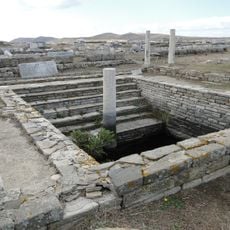
The museum was built in 1902 to designs by Alexandros Lykakis, funded by the Ministry of Education and the Archaeological Society of Athens, on land given by the municipality of Mykonos. It housed finds from the 1898 excavation of the purification pit on Rheneia, where the Athenians had ordered all Delian tombs moved in 426 BC. The building took its present form in 1934, and an eastern hall was added in 1972.
The museum's core comes from the 1898 excavation of a purification pit on Rheneia, where the Athenians had moved all tombs from Delos in 426 BC. The finds show how islanders buried and commemorated their dead: funerary urns, grave stelae, figurines and jewellery, mostly of the Hellenistic period.
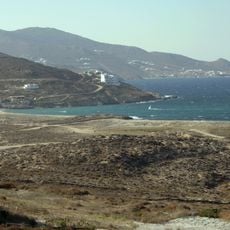
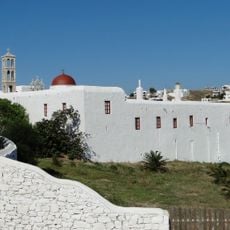
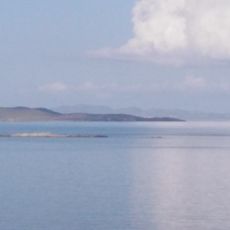
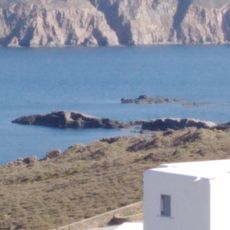
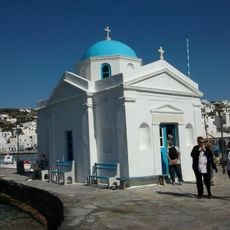
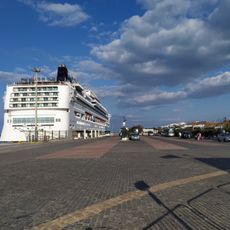
The museum sits near the harbor in an easy-to-reach location with sea views and sight of nearby islands. Visitors should allow time to explore the collection at leisure, as the rooms are small and filled with detailed objects.
The museum's best-known piece is the Mykonos vase, a large 7th-century BC pithos decorated with scenes from the fall of Troy. It was found in 1898 during the excavation of the purification pit on Rheneia, where Athens had ordered the graves of Delos moved in 426 BC.
The community of curious travelers
AroundUs brings together thousands of curated places, local tips, and hidden gems, enriched daily by 94,222 contributors worldwide.