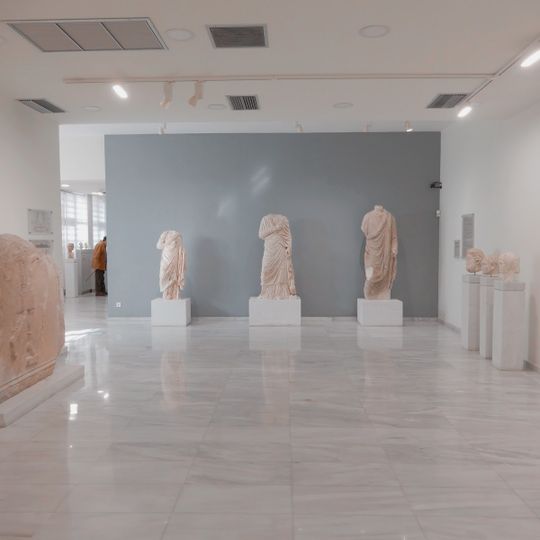
Archaeological Museum of Philippi, Archaeological museum in Kavala Prefecture, Greece
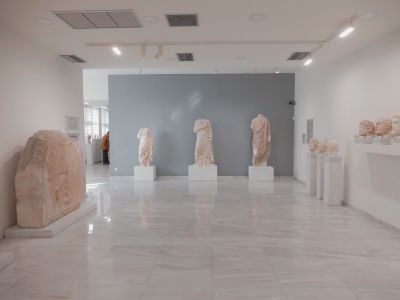
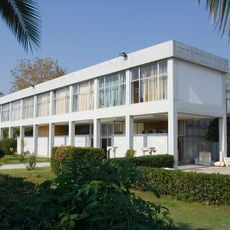
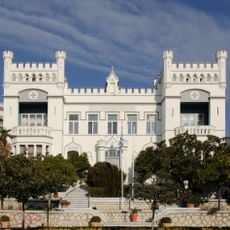
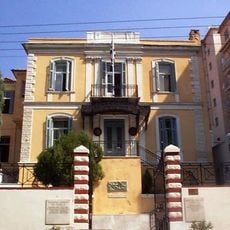
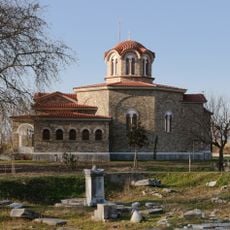
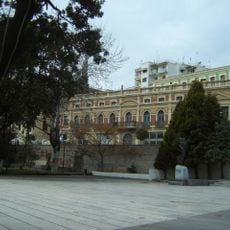
The Archaeological Museum of Philippi is an archaeological museum in the village of Krinides, in the Kavala Prefecture of northern Greece, housing finds from the ancient city of Philippi. It is divided into two exhibition areas: the first covers objects from prehistoric to Roman times, and the second focuses on early Christian material, including mosaics and architectural fragments.
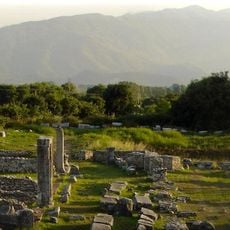
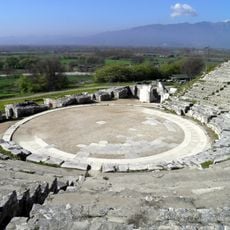
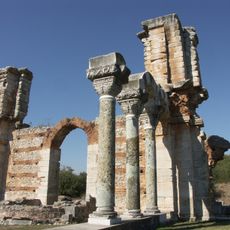
The ancient city of Philippi was founded in the 4th century BC and later became an important center under Roman rule. The city declined after the Ottoman conquest in the late 14th century, and the museum was established to house the finds from excavations across this long period.
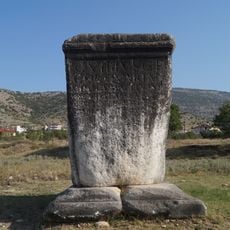
The museum displays everyday objects from ancient Philippi, including pottery, jewelry, and inscriptions that show how people lived and communicated. Walking through the rooms gives a direct sense of daily life across many centuries in this part of northern Greece.
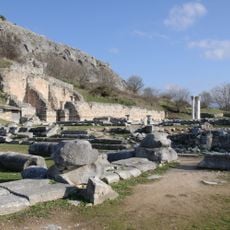
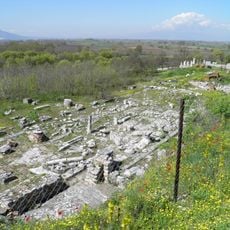
The museum is in Krinides, close to the ruins of Philippi, and most visitors combine it with a walk through the nearby archaeological site. It is accessible for visitors with reduced mobility, as the building has ramps and lifts.
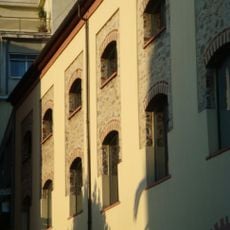
The museum building was designed by architects Ioannis Triantafyllidis and Dimitrios Fatouros, giving it a clear authorship that is rare among regional Greek museums. The ancient city of Philippi is also where the Apostle Paul founded the first Christian community on European soil, which adds a layer of meaning to the early Christian section of the collection.
The community of curious travelers
AroundUs brings together thousands of curated places, local tips, and hidden gems, enriched daily by 92,024 contributors worldwide.