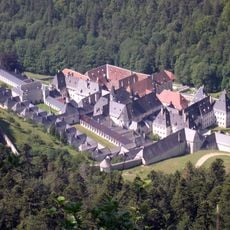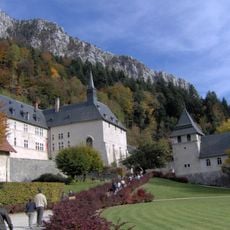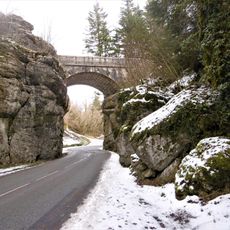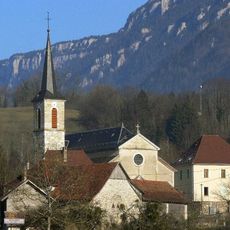
Dauphiné, Historical province of southeastern France
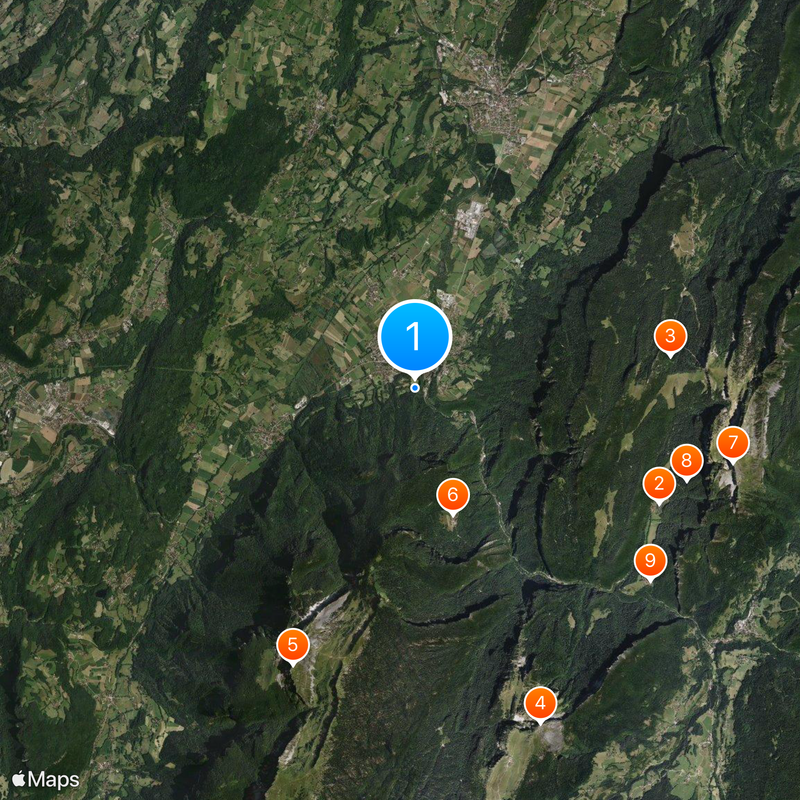
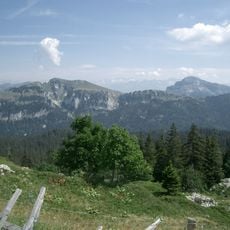
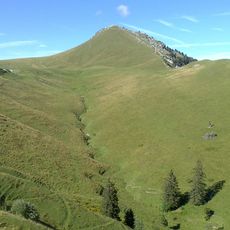
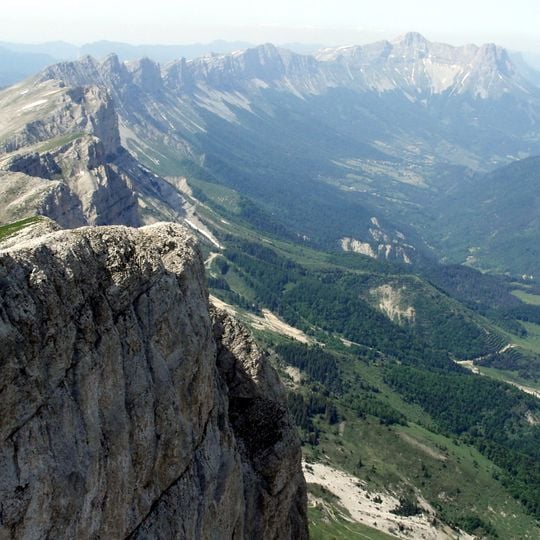
Dauphiné is a historic province in southeastern France that spans the modern departments of Isère, Drôme, and Hautes-Alpes. The landscape includes alpine valleys, plateaus, and fertile plains between the Rhône and the southern mountain ranges.
The province was sold to the French crown in 1349 when its last independent ruler transferred it to Charles V. From then until the Revolution in 1789, French heirs to the throne carried the title Dauphin.
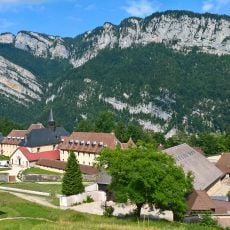
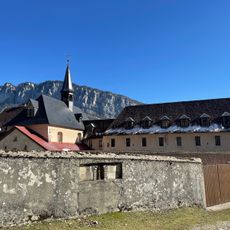
The term Dauphiné refers to a historic territory now recognizable as part of the French Alps. Travelers can trace its cultural imprint through the architecture of rural villages and the local traditions of mountain dwellers.
Grenoble serves as a central starting point for exploring the area, with highway connections and rail lines in all directions. Numerous smaller towns in the valleys offer access to hiking trails and mountain passes.
The name comes from the dolphin on the coat of arms of Count Guigues IV of Albon from the 12th century. This heraldic animal later became the origin of the term Dauphin for French crown princes.
The community of curious travelers
AroundUs brings together thousands of curated places, local tips, and hidden gems, enriched daily by 92,384 contributors worldwide.