Passerelle Léopold-Sédar-Senghor, Steel footbridge in Paris, France
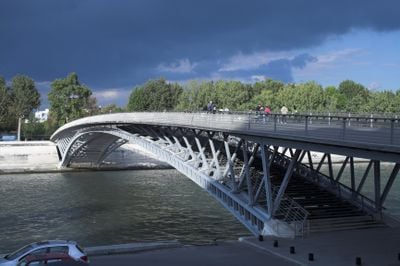
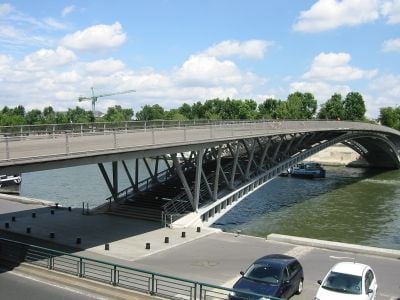
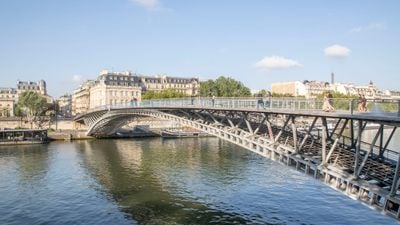
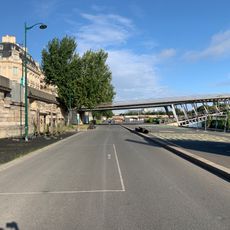
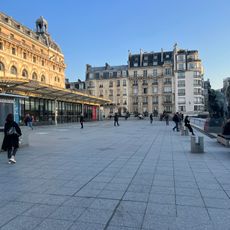
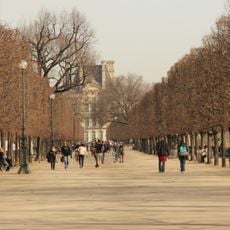
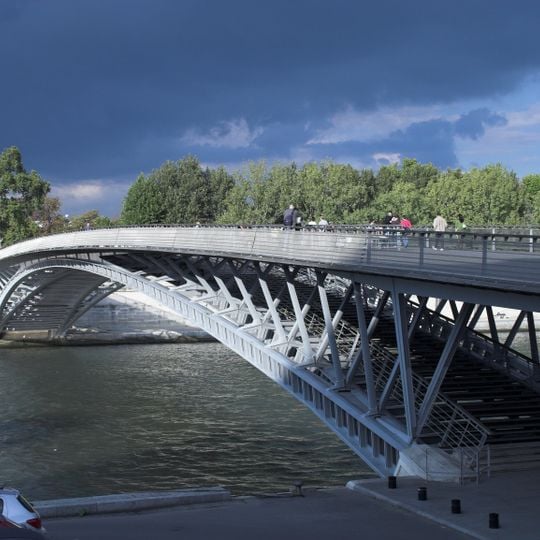
The Léopold-Sédar-Senghor footbridge is a steel structure spanning 106 meters across the Seine, connecting the Musée d'Orsay with the Tuileries Garden. It features a single arch design that is 15 meters wide and covered with Brazilian ipê wood planking.
This footbridge was built in 1999 by architect Marc Mimram as a replacement for an 1861 cast iron bridge commissioned by Napoleon III for carriage traffic. The new structure represented a shift toward lighter, modern pedestrian infrastructure along the Seine.
The bridge was named in 2006 after Léopold Sédar Senghor, a Senegalese poet and statesman, honoring his role in francophone culture and African-French relations. The naming reflects Paris's connection to colonial and postcolonial history.
The bridge features two levels of access with ramps from both riverbanks, making it easy to reach from either side of the Seine. The wooden surface can be slippery when wet, so it's worth watching your step during rainy weather.
The bridge's foundations extend about 15 meters below ground to distribute the forces from its single arch, creating a hidden engineering system beneath the visible wooden walkway. This hidden depth makes it a quiet example of how modern engineering solves problems without showing all its work.
The community of curious travelers
AroundUs brings together thousands of curated places, local tips, and hidden gems, enriched daily by 90,844 contributors worldwide.