North America, Cast iron statue at Musée d'Orsay, France
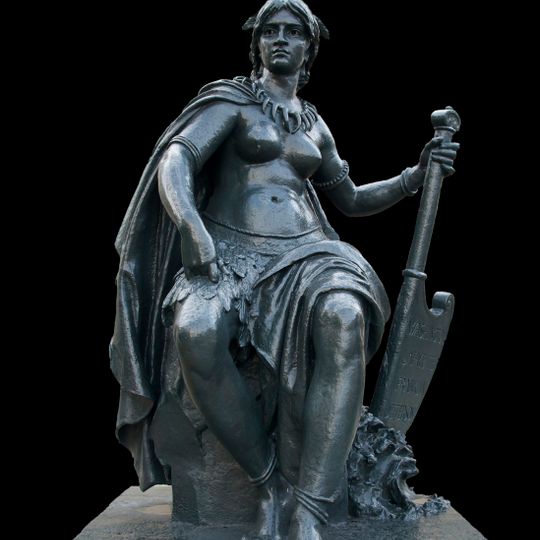
North America is a cast iron statue standing in the Musée d'Orsay that shows the continent as a human figure. The sculpture reaches about 2.16 meters tall and 1.34 meters wide, presenting a personified view of geography from the 19th century.
Ernest-Eugène Hiolle created this work in 1878, when allegorical figures representing world regions were common in French art. The period saw a strong interest in showing geography and distant places through artistic representation.
The figure shows how people of the late 1800s imagined distant lands through the body of a woman. This personification was a common way artists expressed ideas about the wider world in their sculpture.
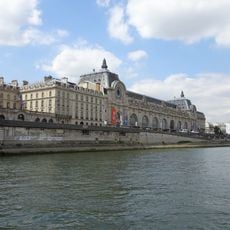
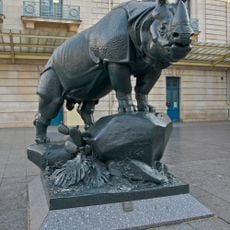
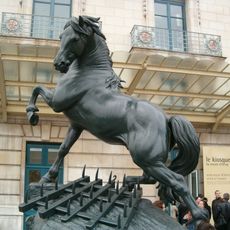
This statue is in the Musée d'Orsay in Paris's 7th arrondissement as part of the permanent collection of 19th-century sculptures. You can view it along with other similar allegorical works that the museum displays together in one area.
Many visitors miss that using cast iron instead of the more typical bronze or marble was an unusual choice for sculpture at that time. This material selection gave the work a different surface quality and appearance compared to what people expected from statues of that era.
The community of curious travelers
AroundUs brings together thousands of curated places, local tips, and hidden gems, enriched daily by 91,750 contributors worldwide.