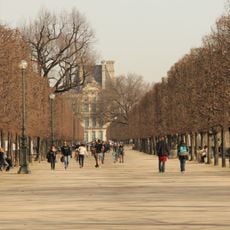
Quai Anatole-France, Historic riverfront in 7th arrondissement, Paris, France
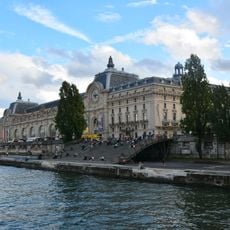
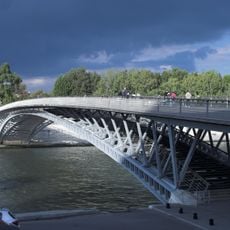
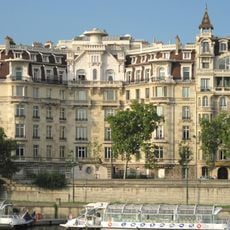
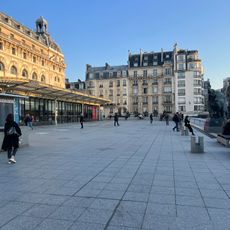
Quai Anatole-France is a 585-meter-long riverside promenade along the Seine's south bank in the 7th arrondissement. Nearly 20 meters wide, it offers views of the water and surrounding buildings while connecting to several neighborhood streets and squares.
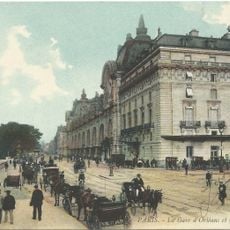
The quay was first named Quai de la Grenouillière by a Council decree of 18 October 1704, then renamed Quai d'Orsay on 23 August 1707. It became Quai Bonaparte under the Consuls' decree of 13 Messidor year X and reverted to Quai d'Orsay in 1815. In 1947 the eastern section, between the Pont Royal and the Pont de la Concorde, took the name of writer Anatole France, who had lived at 15 quai Malaquais.
The quay was named in 1947 after Anatole France (1844–1924), who knew the Left Bank quays well: he lived at 15, quai Malaquais, and his father ran a bookshop at 9, quai Voltaire. The stretch between no. 5 and the rue de Bellechasse has been called place Henry-de-Montherlant since 1982.
The quay runs 500 to 585 metres between the Pont Royal and the Pont de la Concorde, linking the Rue du Bac and the Boulevard Saint-Germain. Metro line 12 stops at Assemblée nationale and RER line C at the Musée d'Orsay. A pedestrian promenade, the promenade Édouard-Glissant, runs below on the Seine bank.
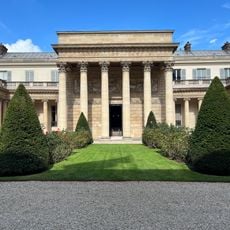
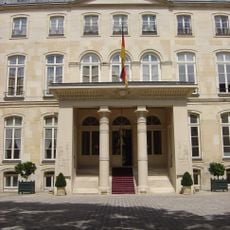
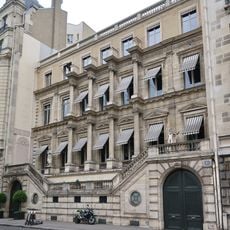
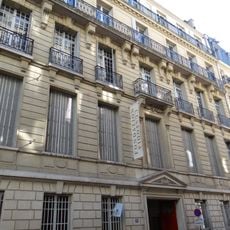
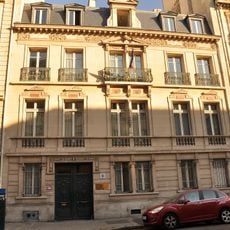
At no. 25, the Hôtel Collot, built 1840–1841 by Antoine Vivenel to Louis Visconti's neoclassical design for Jean-Pierre Collot, director of the Monnaie de Paris, has a set-back facade on a rusticated base with a terrace bearing statues of Minerva and Apollo. It later housed the Spanish embassy from 1864 to 1880 and since 2004 has held the Kugel gallery.
The community of curious travelers
AroundUs brings together thousands of curated places, local tips, and hidden gems, enriched daily by 93,240 contributors worldwide.