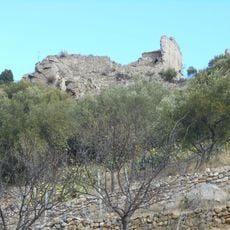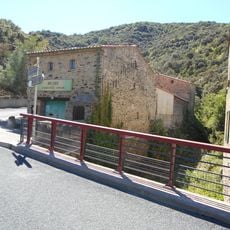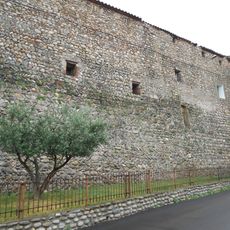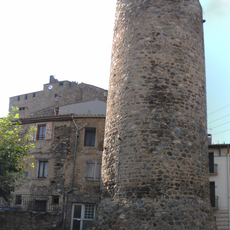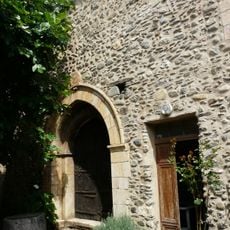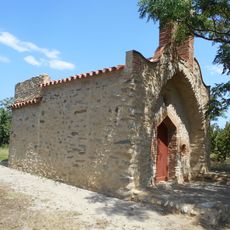
Ille-sur-Têt, Commune in Pyrénées-Orientales, France
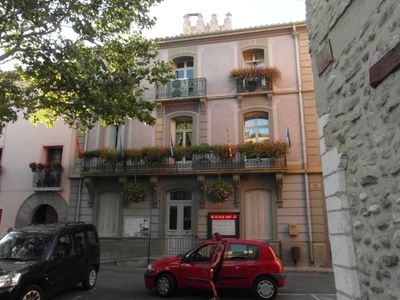
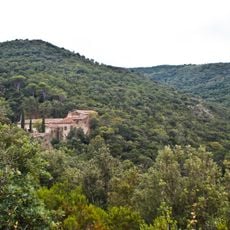
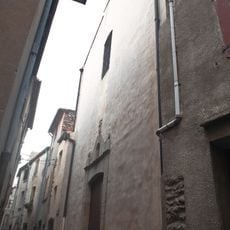
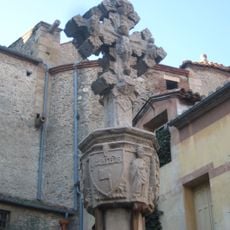
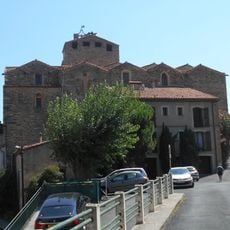
Ille-sur-Têt is a commune in the eastern foothills of the Pyrenees, spreading along route nationale 116 in the Ribéral region. The village extends across about 3,100 hectares with elevations ranging between 110 and 450 meters.
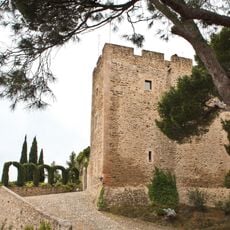
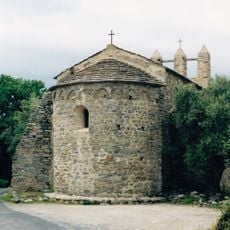
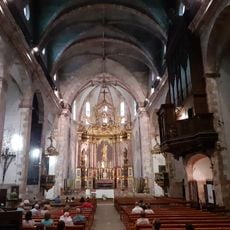
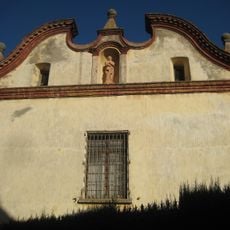
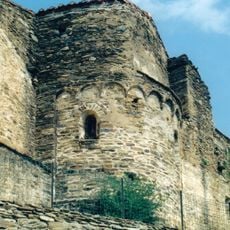
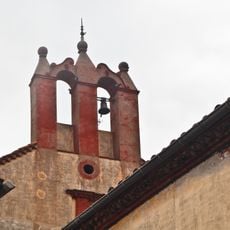
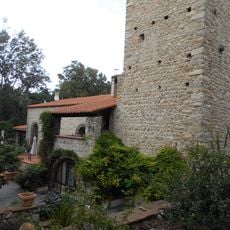
The commune is home to two churches from different periods: Sainte-Marie de la Rodona from the 12th century and Saint-Étienne from the 17th century. These buildings reflect the religious continuity and architectural changes across the centuries.
Writer Prosper Mérimée drew inspiration from this place for his novella "La Vénus d'Ille," using local elements and the region's character in his storytelling. The town carries this literary connection as part of its identity.
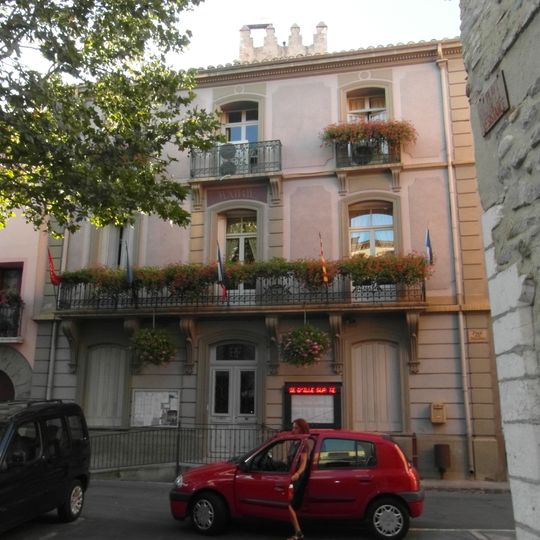
The commune is easily accessible via route nationale 116 and offers various services to visitors and residents. The France services office on Rue de Bourdeville assists with administrative matters including family allowances, healthcare, retirement, and employment documentation.
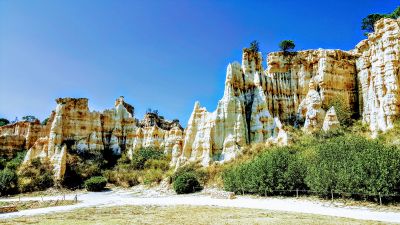
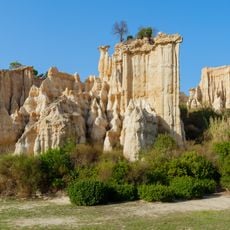
Les Orgues displays natural chimney-like rock formations carved from Pliocene sediments near the Têt River, creating unusual geological structures. These distinctive formations offer a rare window into the region's geological past.
The community of curious travelers
AroundUs brings together thousands of curated places, local tips, and hidden gems, enriched daily by 60,000 contributors worldwide.