Tuc de Houns, Medieval castle ruins in Saint-Paul-en-Born, France
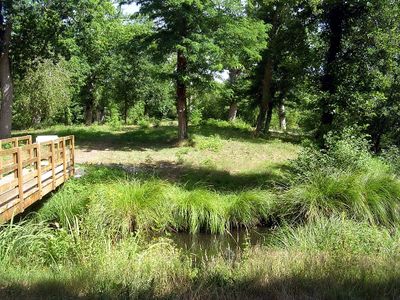
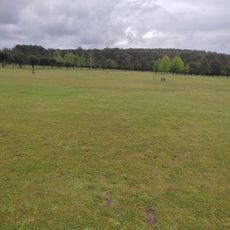
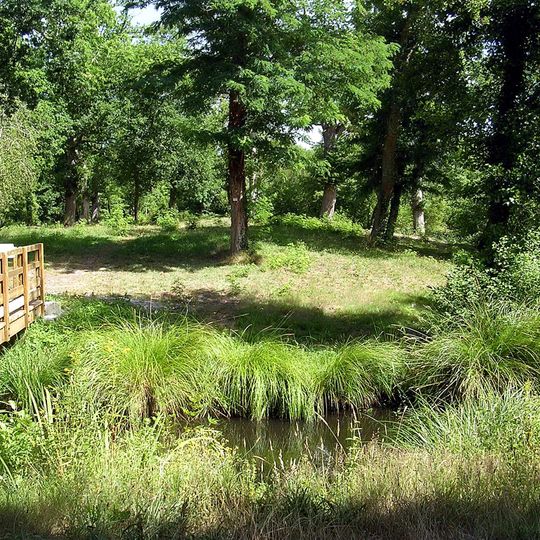
Tuc de Houns is a motte-and-bailey castle remnant in Saint-Paul-en-Born, Landes, made of two clay-and-stone mounds. The first mound carried the lord's tower, the second, lower and larger, sheltered peasants. The site lies in marshland 600 metres east of the Aureilhan pond, near the streams Canteloup and Escource.
In 1255, an English soldier named Pierre de Homs constructed this fortified structure under the authority of King Henry III of England. The mound castle represented English military presence in the region during the medieval period.
The name combines the Gascon word tuc, meaning a mound, with Houns from Pierre de Homs, the man-at-arms of the English king who built the fortalicium here in 1255. The two mounds formed a small settlement: the taller one held the lord's wooden tower, the lower and larger one sheltered the peasant population in times of danger.
The two mounds stand in marshy ground 600 metres east of the shore of the Étang d'Aureilhan, near the site of the antique Segosa and a few hundred metres from the old village of Saint-Paul. Approach on foot from the lake side; the damp terrain and tall grass around the earthworks call for suitable footwear.
The original fortress featured wooden towers built on top of each mound, with one serving as the lord's living quarters and the other providing refuge for local peasants during times of danger. This two-mound system reveals an ingenious defensive approach where the entire community could gather for protection.
The community of curious travelers
AroundUs brings together thousands of curated places, local tips, and hidden gems, enriched daily by 94,441 contributors worldwide.