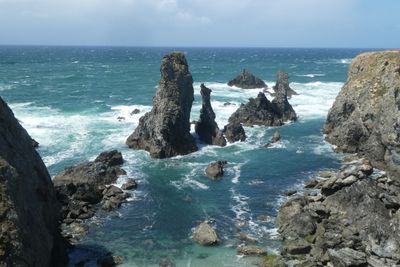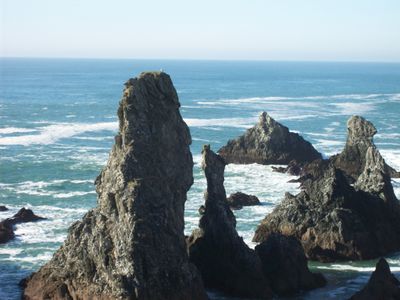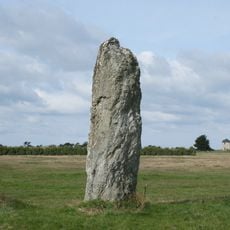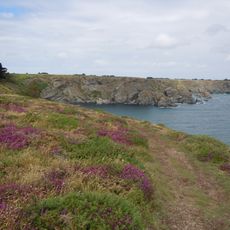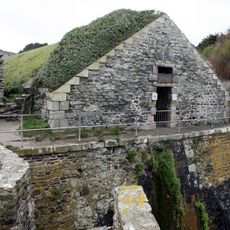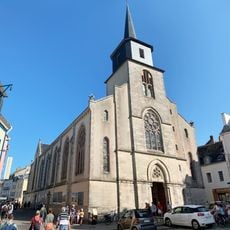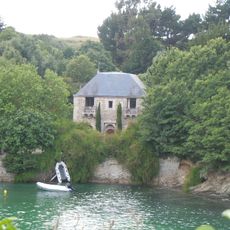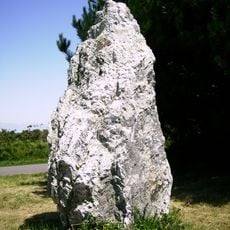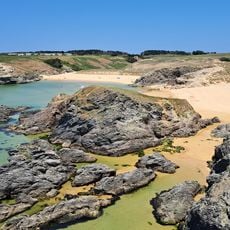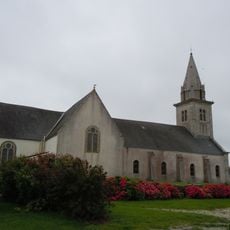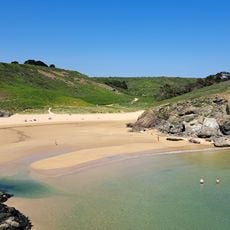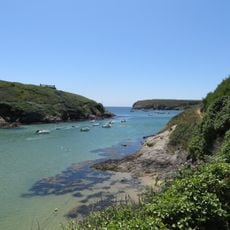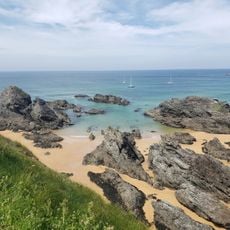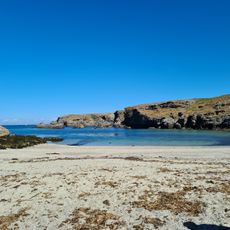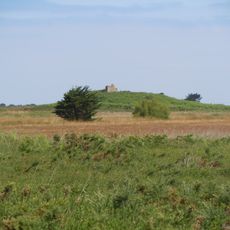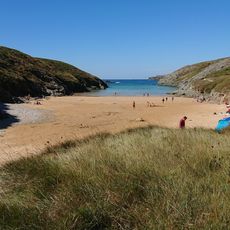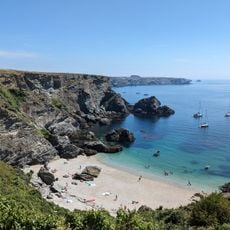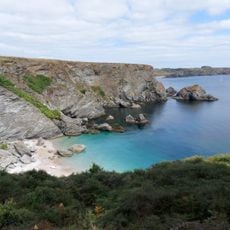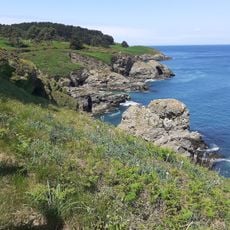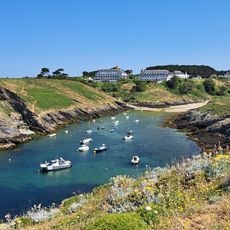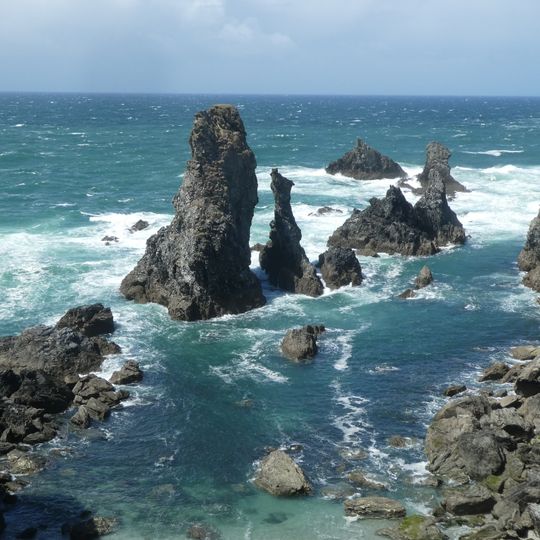
Aiguilles de Port-Coton, Rock formations on the Atlantic coast in Belle-Île-en-Mer, France.
The Aiguilles de Port-Coton are sharp granite peaks that rise from the sea and form various shapes, including a central rock called The King. They result from natural erosion and create an irregular group of rock spires along the western coastline.
The artist Claude Monet visited Belle-Île in 1886 and painted 39 works of these rock formations as the main subject of his series. This artistic attention made the Aiguilles known internationally and connected them to the impressionist style of the late 1800s.
The rock formations carry popular names like The King, The Lion, and The King's Dog, which visitors discover while walking along the coast. These names show how locals have made this landscape part of their own way of seeing the world.
The rocks are accessible through marked hiking paths along the western coast of Belle-Île, with the best viewing in late afternoon. The weather can change quickly, so check the forecast and wear sturdy shoes for walking on uneven terrain.
The name Port-Coton comes from a natural phenomenon: when strong winds blow, sea spray around the rocks creates white foam patterns that resemble cotton. This spectacle happens mainly during storms and shapes how the place is understood today.
The community of curious travelers
AroundUs brings together thousands of curated places, local tips, and hidden gems, enriched daily by 91,989 contributors worldwide.