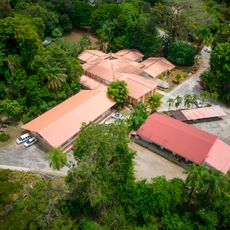
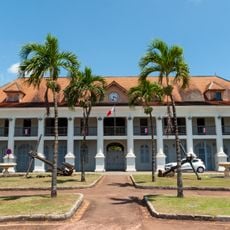
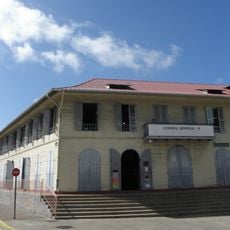
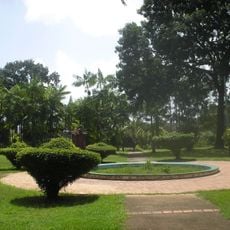
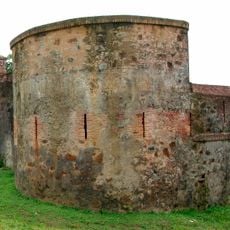
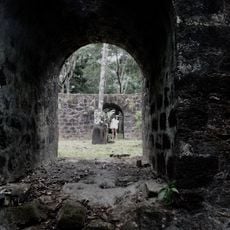
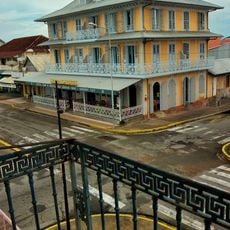
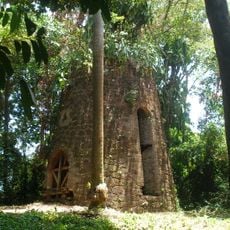
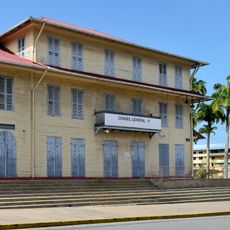
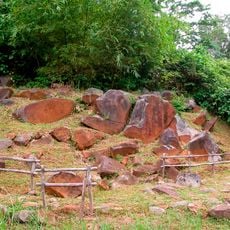
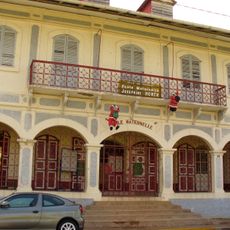
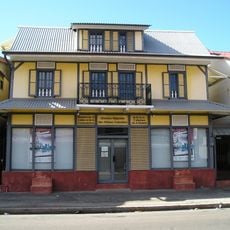
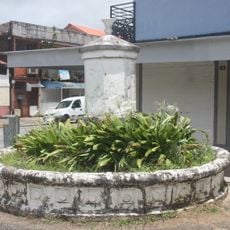
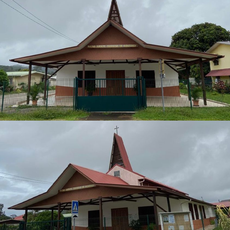
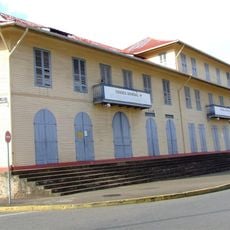
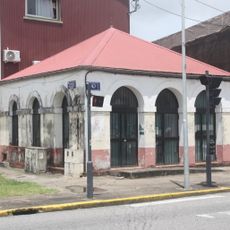
Habitation Loyola, Jesuit plantation ruins in Remire-Montjoly, French Guiana.
Habitation Loyola is an archaeological site of a 17th-century Jesuit plantation with a main house, chapel, cemetery, forge, and other structures scattered across the property. The excavations continue to reveal remnants of the infrastructure and daily life from that era.
Founded in 1668 by Father Jean Grillet on land assembled from two properties, Loyola became a major Jesuit sugar estate with two mills, one animal-powered and a windmill of 1733, plus a pottery supplying sugar moulds. Sugar activity continued until the estate was abandoned around 1754; after the suppression of the Jesuit order in 1764, the habitation declined and disappeared around 1770.
The name Loyola comes from the birthplace of Saint Ignatius, founder of the Jesuit order. The Jesuits ran the plantation's spiritual life until 1764, teaching catechism to colonists and enslaved people and serving the parishes of Cayenne, Rémire and Roura. The master's house, 24 by 12 metres, hosted the academician Charles Marie de La Condamine in 1744 and, in 1762, Jean-Baptiste Fusée-Aublet, who began there the plant studies behind his Histoire des plantes de la Guyane françoise (1775).
The site is open year-round, and guided tours explain the archaeological structures and ongoing research. Wear comfortable shoes and bring weather protection, as the terrain is uneven and the climate is tropical.
The cemetery holds hundreds of graves of enslaved people, Indigenous Americans, and colonists who lived under different circumstances at the site. A calvary monument on the grounds memorializes those buried there.
The community of curious travelers
AroundUs brings together thousands of curated places, local tips, and hidden gems, enriched daily by 92,779 contributors worldwide.