See the monuments around you in AROpen chests in the app
Around Us is built for your phone — point your camera at the streets and discover the monuments and places around you in augmented reality.Around Us is built for your phone — chests unlock when you walk, explore and capture nearby places.
Nature areas and historical sites in French Guiana
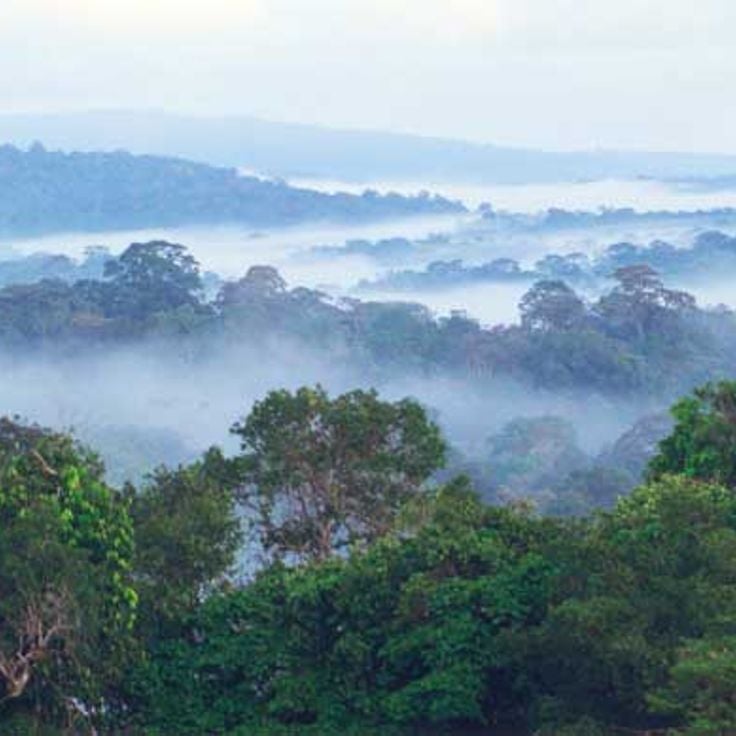
French Guiana is a region where tropical rainforests meet rivers and coastal areas. The landscape brings together South American nature with French history. You can visit nature reserves where birds and turtles live, explore colonial ruins, and see ancient rock carvings made by indigenous peoples. Places like Marais de Kaw and the Îles du Salut show the varied landscape, while sites like Fort Cépérou and the ruins of the Loyola Sugar Plantation tell stories of European settlement.
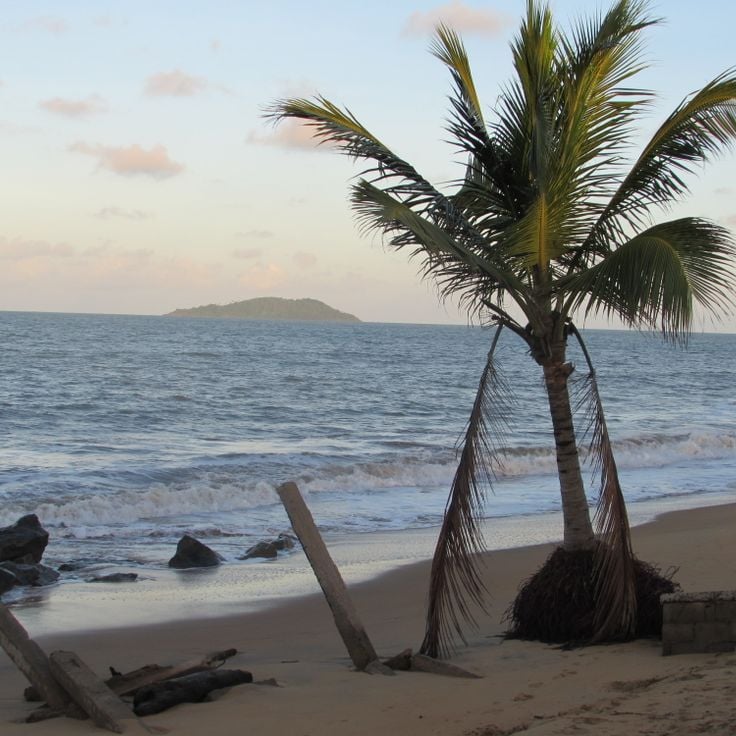
The coastal areas have long beaches and wetlands where turtles nest and rare birds can be spotted. In the interior, you will find waterfalls, jungle trails, and small villages where people still follow traditional ways. The rock carvings near Régina and Kourou mark the cultures that have lived in these lands for centuries.
This region invites you to experience nature and history together. Whether you paddle through wetlands, visit old prison islands, or hike into the rainforest, you encounter something new at every turn. French Guiana shows how different worlds and times come together in one place.
Nature areas and historical sites in French Guiana
French Guiana is a region where tropical rainforests meet rivers and coastal areas. The landscape brings together South American nature with French history. You can visit nature reserves where birds and turtles live, explore colonial ruins, and see ancient rock carvings made by indigenous peoples. Places like Marais de Kaw and the Îles du Salut show the varied landscape, while sites like Fort Cépérou and the ruins of the Loyola Sugar Plantation tell stories of European settlement.
The coastal areas have long beaches and wetlands where turtles nest and rare birds can be spotted. In the interior, you will find waterfalls, jungle trails, and small villages where people still follow traditional ways. The rock carvings near Régina and Kourou mark the cultures that have lived in these lands for centuries.
This region invites you to experience nature and history together. Whether you paddle through wetlands, visit old prison islands, or hike into the rainforest, you encounter something new at every turn. French Guiana shows how different worlds and times come together in one place.
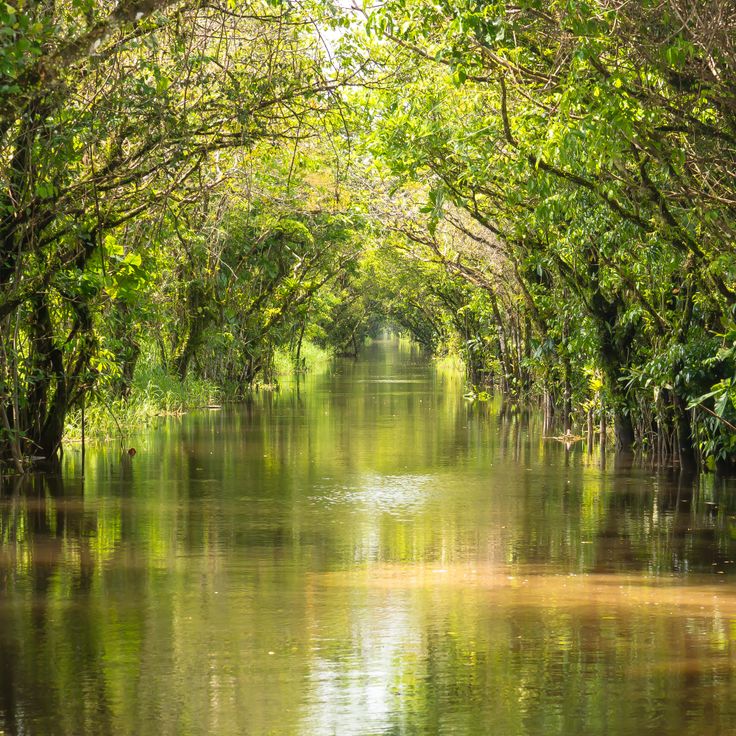
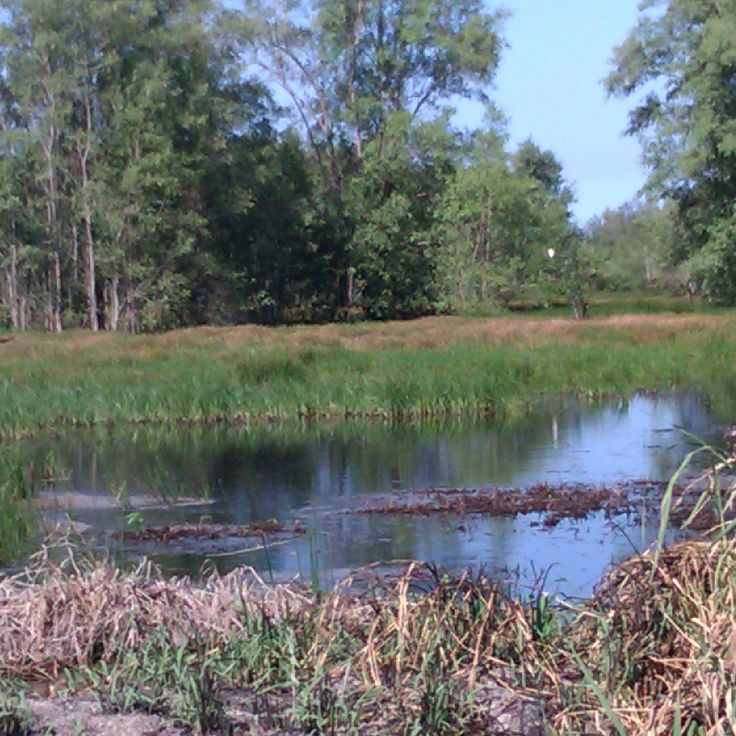
The Marais de Kaw is a wetland reserve in Kaw-Roura that serves as one of French Guiana's nature reserves. This wetland hosts numerous water birds, caimans and a wide variety of amphibians. The area represents the South American nature that defines the region, with its rivers and wetlands playing a key role in the ecosystem.
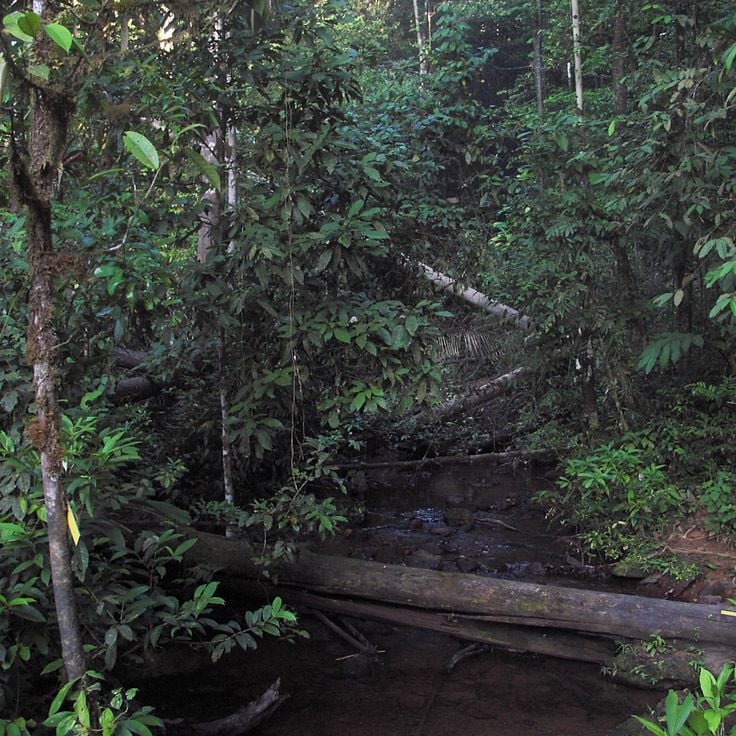
Crique Gabrielle is a creek that winds through rainforest and offers swimming spots surrounded by tropical plants. It flows through dense vegetation and provides a natural bathing experience in the heart of the forest. This waterway is part of French Guiana's network of rivers and creeks, showing how water systems connect with the region's rainforest ecosystem.
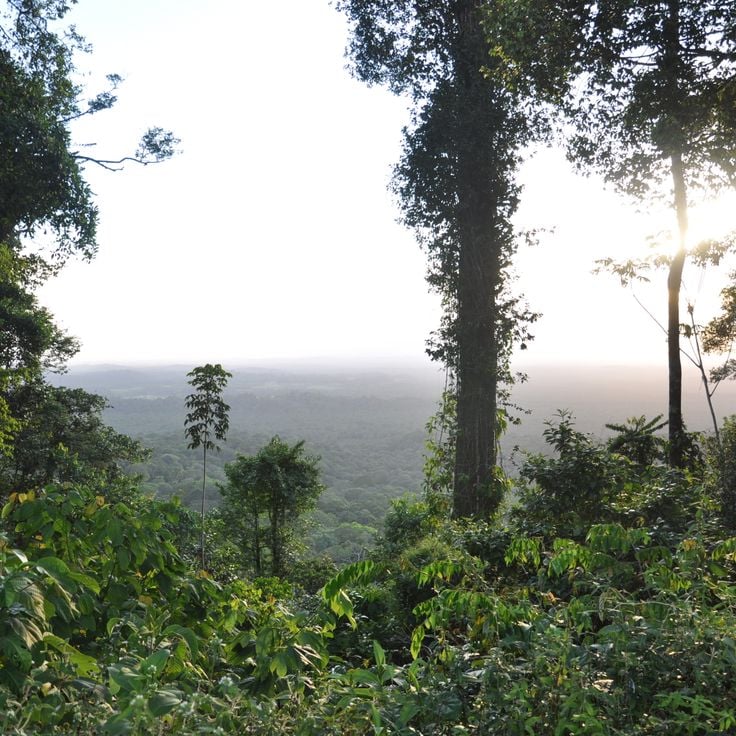
The Sentier Molokoï is a forest path that winds through Amazonian rainforest to a viewpoint overlooking the valley. This trail represents the natural landscape of French Guiana, where rainforests, rivers and coastal areas form the backbone of the region. Visitors walk through the vegetation to experience the South American nature that defines this territory.
The Îles du Salut are an archipelago off the coast of Kourou that holds historical prison buildings from the colonial era. The islands provide habitat for monkeys and turtles, showing the blend of French history and South American nature that defines French Guiana.
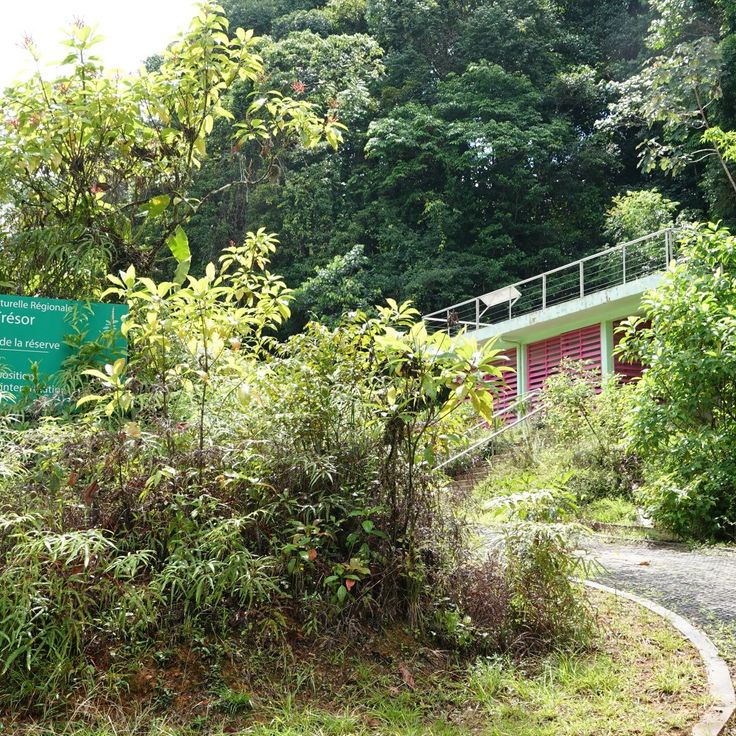
The Trésor Nature Reserve is a protected tropical rainforest area near Roura that belongs to this collection of nature areas and historical sites in French Guiana. The forest spans 2450 hectares and is home to 214 bird species and 62 mammal species. This site displays the rich wildlife diversity of South American nature in the region.
Plage des Hattes is a four kilometer sandy beach where leatherback turtles nest between March and July. This beach is part of French Guiana's network of nature reserves and coastal areas, showcasing the region's mix of South American wildlife and French colonial heritage.
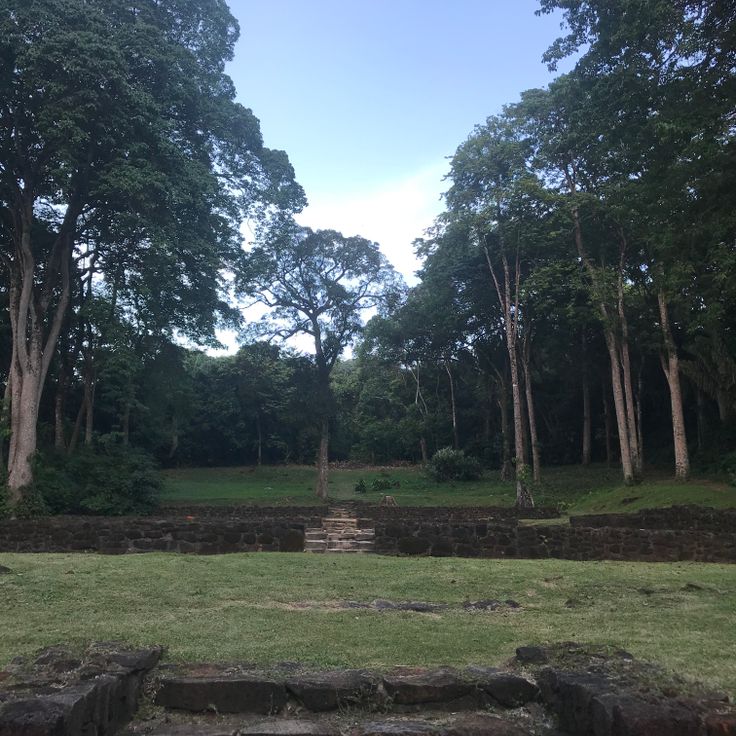
The Loyola Sugar Plantation Ruins are among the colonial sites featured in this collection of French Guiana's natural and historical areas. The remains date from the 17th century and include walls, an aqueduct and a manor house. This plantation tells the story of French settlement and economic development in the region. The site connects South American landscapes with European colonial heritage.
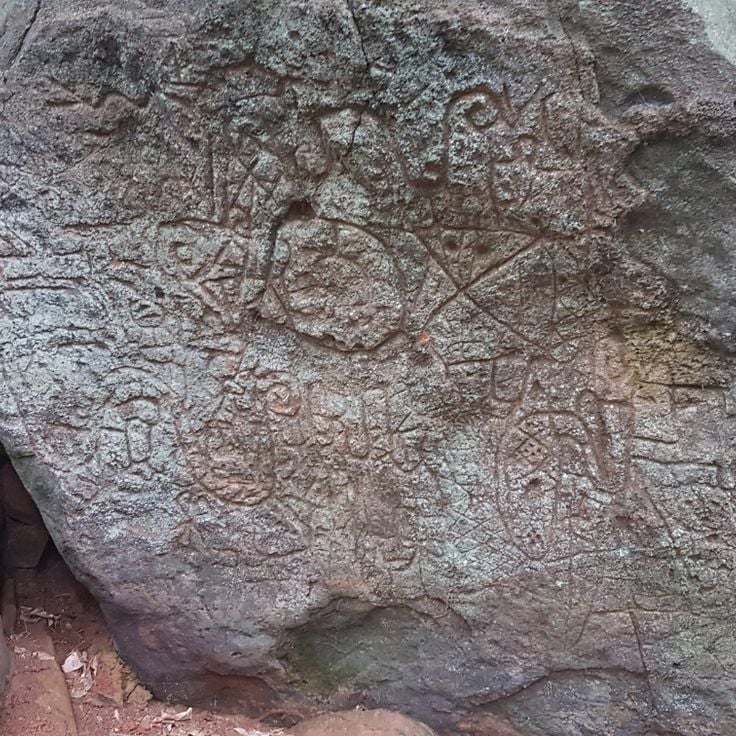
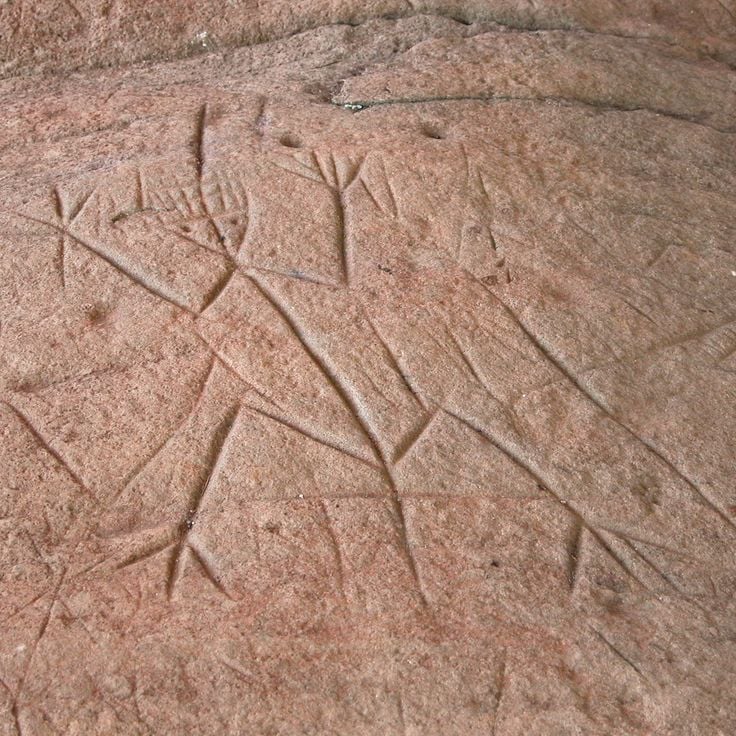
The Roches gravées de la Montagne Favard are pre-Columbian rock carvings with geometric patterns and animal representations created around 500 years ago. Located near Régina, these carvings show the artistic expression of indigenous people who lived in this area long before European contact. The site helps visitors understand the cultural history of French Guiana, where rainforests, rivers and colonial heritage meet.
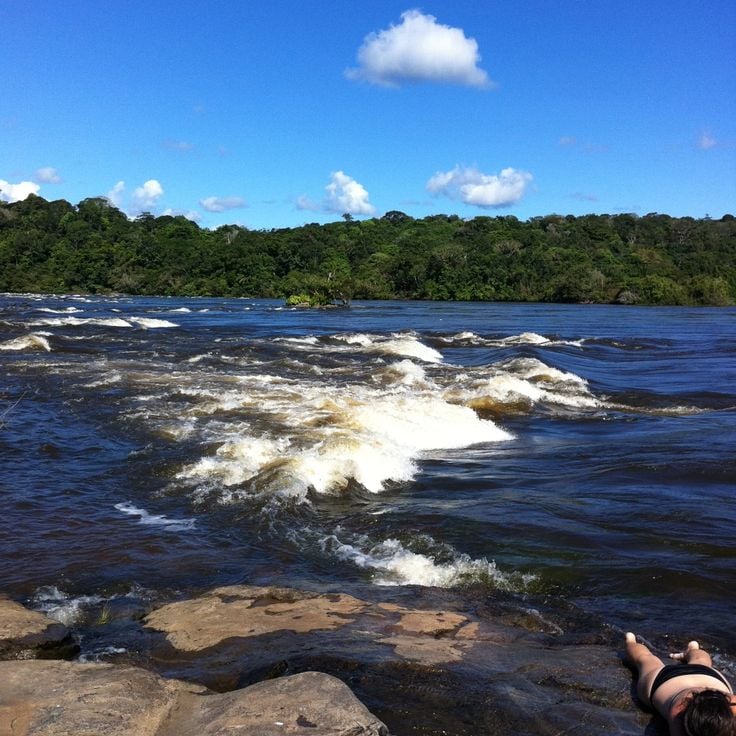
Saut Maripa is a river waterfall that forms multiple cascading pools surrounded by rainforest vegetation. Located in Oiapoque, the site can be accessed through hiking trails. This waterfall represents the natural landscapes that characterize French Guiana's mix of South American nature and pristine wilderness.
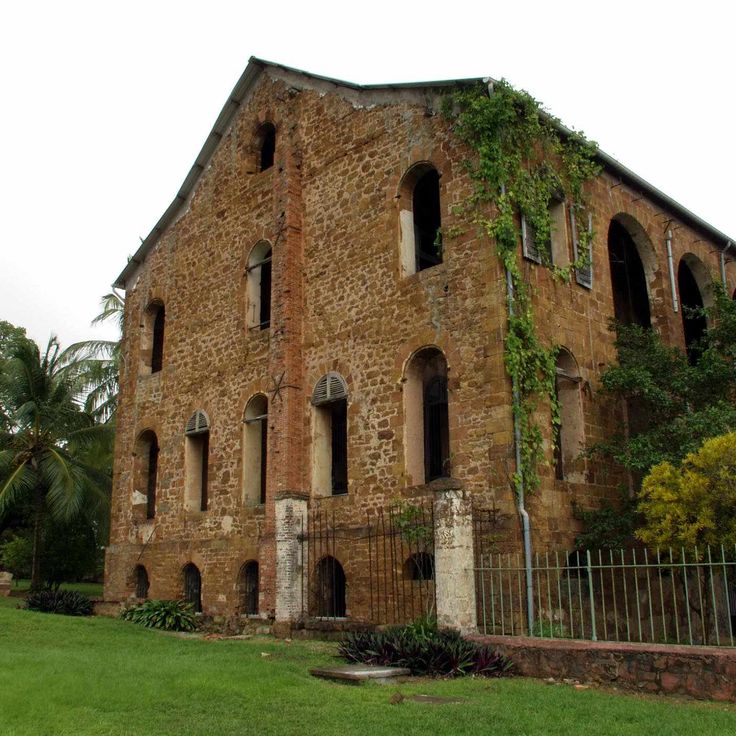
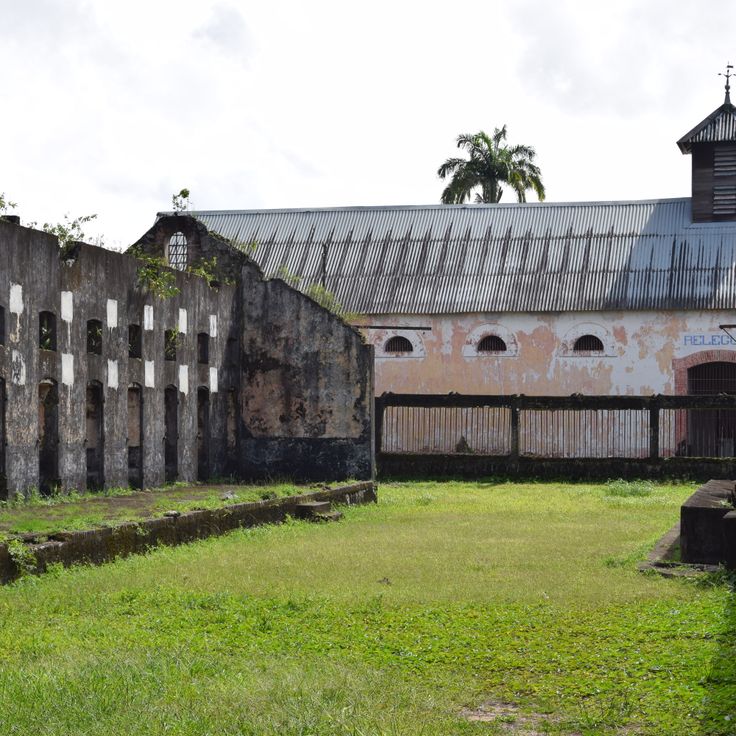
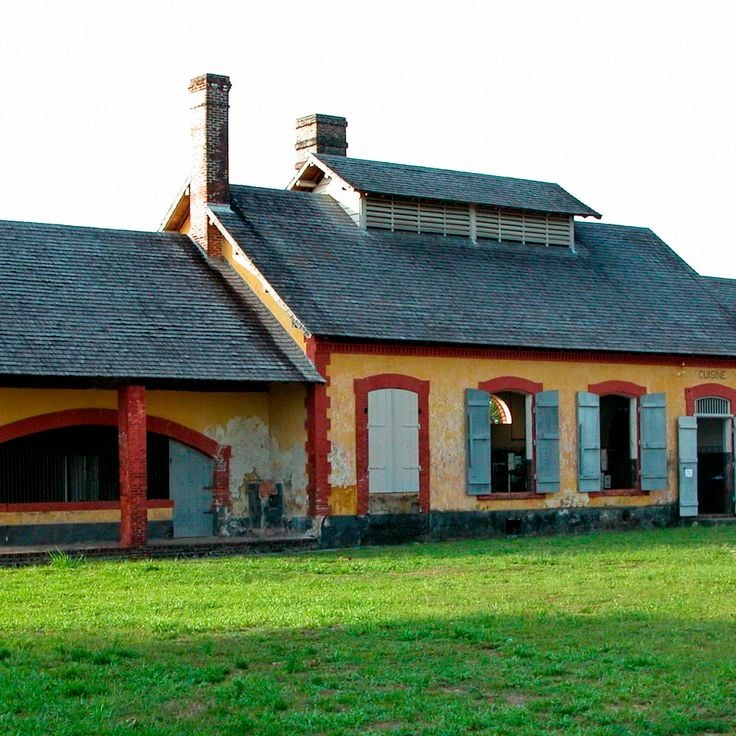
Camp de la Transportation is a former prison facility in this collection of nature areas and historical sites across French Guiana. The site operated from 1852 to 1953 and now displays exhibits about the penal colony history of French Guiana within its buildings.
Les Roches Gravées de la Carapa are stone carvings from pre-Columbian times located in Kourou. The engravings show geometric patterns and animal figures created by indigenous peoples. This site is part of French Guiana's historical and natural heritage, documenting the artistic traditions of the region's original inhabitants.
Montagne des Singes in Kourou is a forested hill where red howler monkeys and squirrel monkeys live in the wild. Marked trails let visitors walk through the forest and watch these primates as they move through the trees. This site fits with French Guiana's network of nature reserves that protect rainforest animals and habitats.
Mont Grand Matoury Nature Reserve protects 2123 hectares of rainforest in French Guiana with marked hiking trails. The forest is home to over 200 bird species that visitors can observe while walking through. This reserve fits into the varied landscape of the region, where rainforest, rivers and coastal areas meet.
Rémire-Montjoly is a coastal town in French Guiana with a 5-kilometer beach and several buildings from the colonial period. This place fits into the collection of nature areas and historical sites in the region, as it shows the connection between French history and South American landscapes.
Îlet la Mère is a 30-hectare island off the coast of Cayenne with the remains of a former penal colony. The island shows how France used this region in the past. Today, capuchin monkeys live in the island's forests, making it a place where you can experience both the nature and history of French Guiana together.
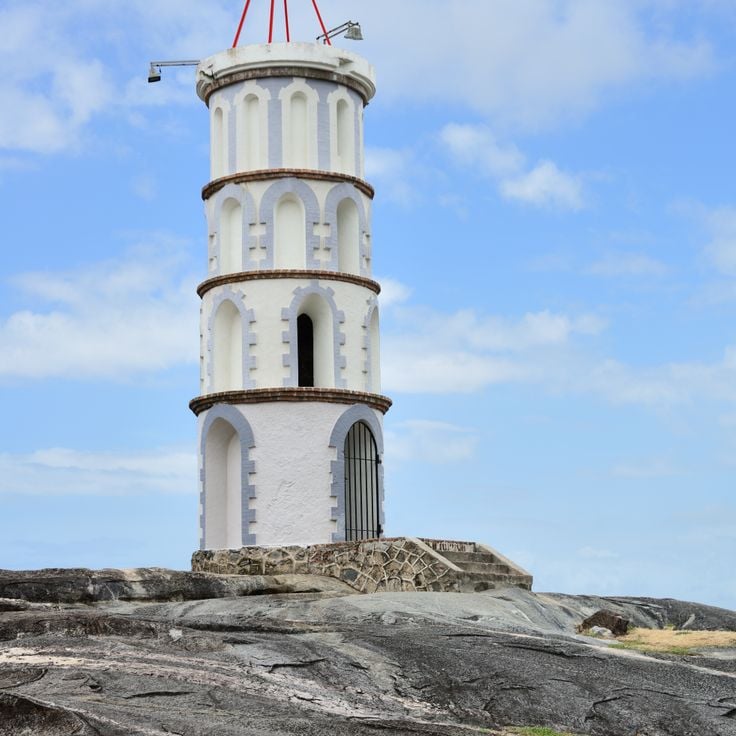
Pointe Buzaré is a coastal headland in Cayenne where the Mahury River meets the Atlantic Ocean. A lighthouse marks this geographical point. The site is part of a region that combines rainforests, rivers and coastal areas, blending South American nature with French history.
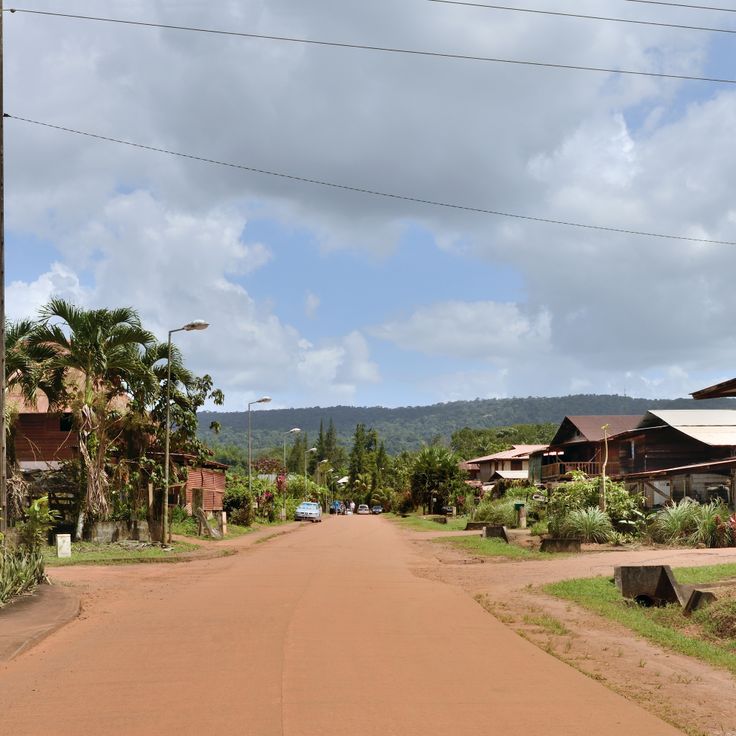
Cacao is a village in the rainforest where the Hmong community maintains its customs and way of life. The village has a weekly market where locals buy and sell food, crafts and goods. You can taste regional dishes and see how people have adapted to living in the forest. This settlement shows the human side of French Guiana, where traditional villages sit alongside nature reserves and colonial history.
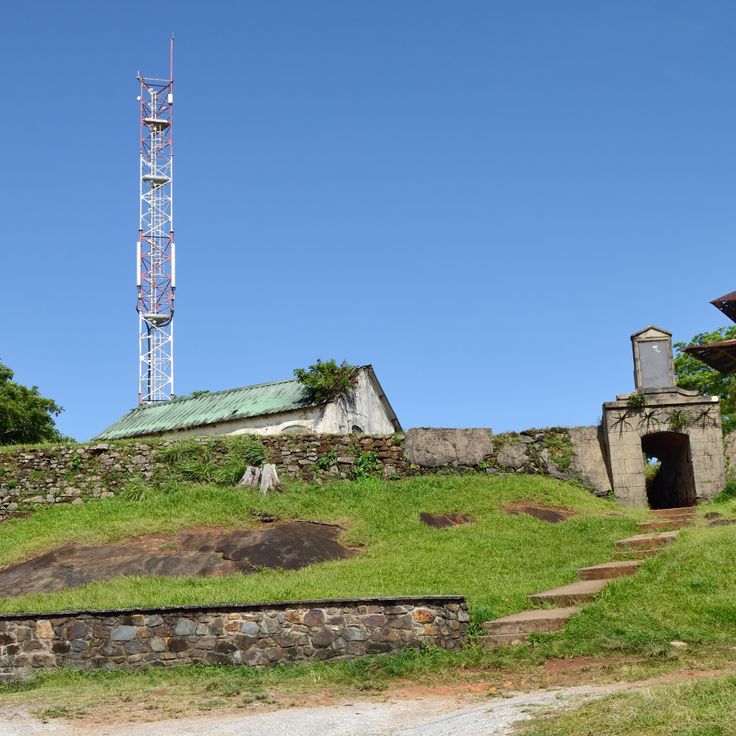
Fort Cépérou is a 17th century fortification situated on a hill above Cayenne and the ocean. The fort represents French colonial history in French Guiana and demonstrates the architecture and role that fortifications played during this period. From its walls, you can see across the city and toward the coast.
The Maison du Bagne displays documents, objects and cells from the former penal colony that operated from 1852 to 1953. Located in Saint-Laurent-du-Maroni, this museum offers insight into a difficult chapter of French colonial history in French Guiana. It stands as a historical site that helps visitors understand the region's complex past alongside its rainforests, rivers and coastal areas.
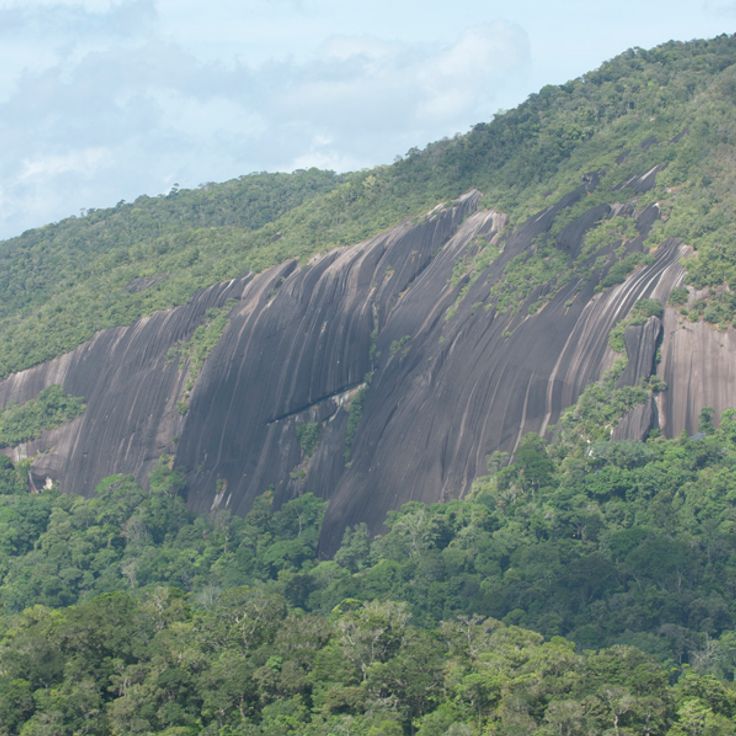
Savane-Roche Virginie is a natural area in this region with granite rocks rising from the savannah that reach a height of about 150 meters (490 feet). The site shows the geological diversity of French Guiana and gives visitors a chance to experience the landscape beyond the rainforests.
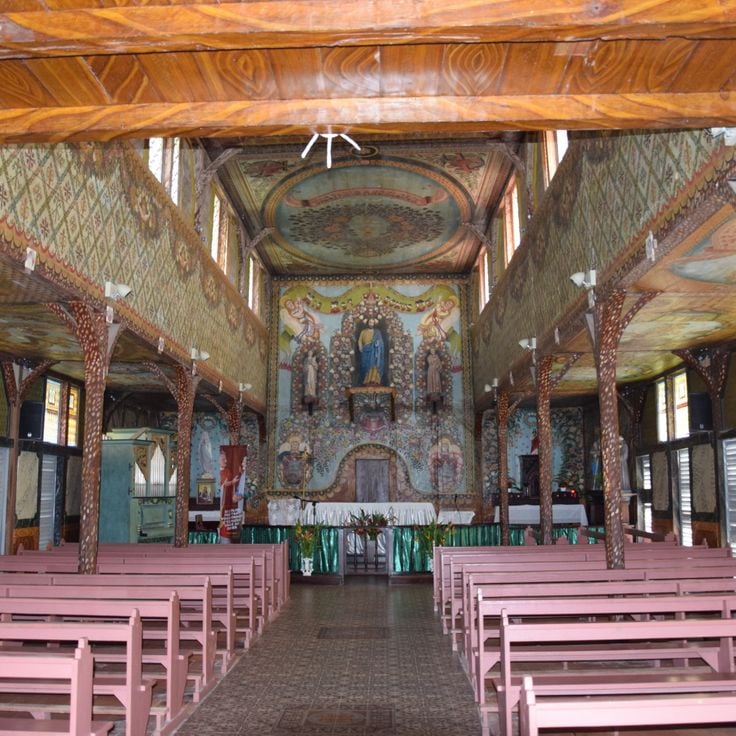
This wooden church in Iracoubo dates to the 19th century and reflects the meeting of French colonial architecture with local traditions. The interior walls display murals inspired by indigenous art, giving the space a distinct character. The building shows how European and South American cultures blended in this region.
Trinité Reserve is an expansive rainforest nature reserve in French Guiana, featured in this collection of natural areas and historical sites across the region. The reserve shelters jaguars, giant armadillos and over 200 bird species within its tropical forest environment. Visitors can observe the diverse wildlife and dense rainforest that form the ecological heart of French Guiana.
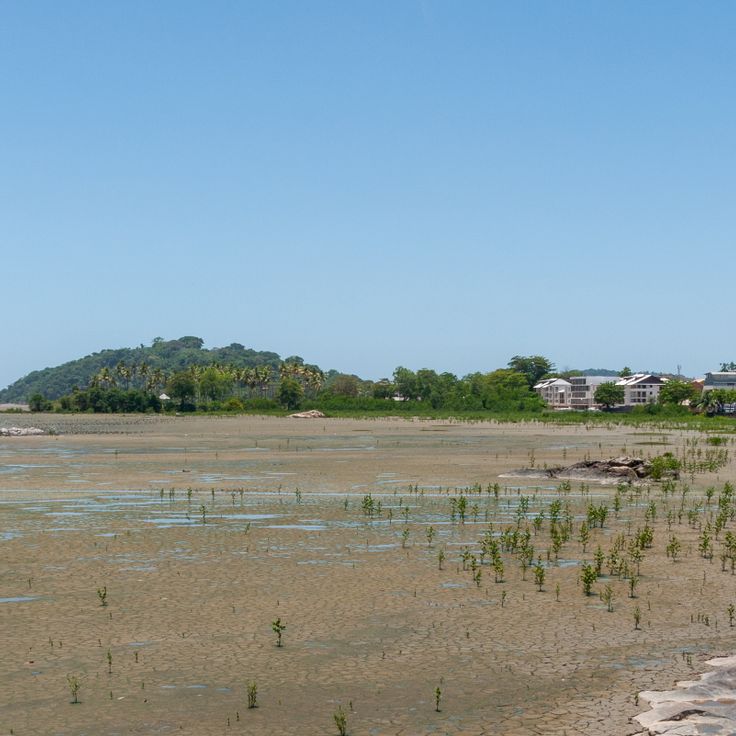
The Amana Natural Reserve is a coastal protected area in Awala-Yalimapo spanning 15000 hectares of mangroves and beaches where rare bird species and sea turtles nest. This reserve demonstrates the natural diversity of French Guiana, where rainforest meets ocean.
Bourda Beach is one of the few sandy beaches in Cayenne and offers views of the Atlantic Ocean. The beach stretches between Mont Bourda and the city, showing how locals spend time by the water. You will find fishermen and visitors using the sand and ocean. This beach is part of the coastal landscape of French Guiana, where tropical nature and city life meet.
Tour Dreyfus is a cast iron lighthouse built in 1910 in French Guiana. The tower stands approximately 20 meters tall and features an octagonal base with a red lantern room at its top. This lighthouse represents the French colonial heritage found throughout the region, where history meets the natural landscape of rainforests and coastal areas.
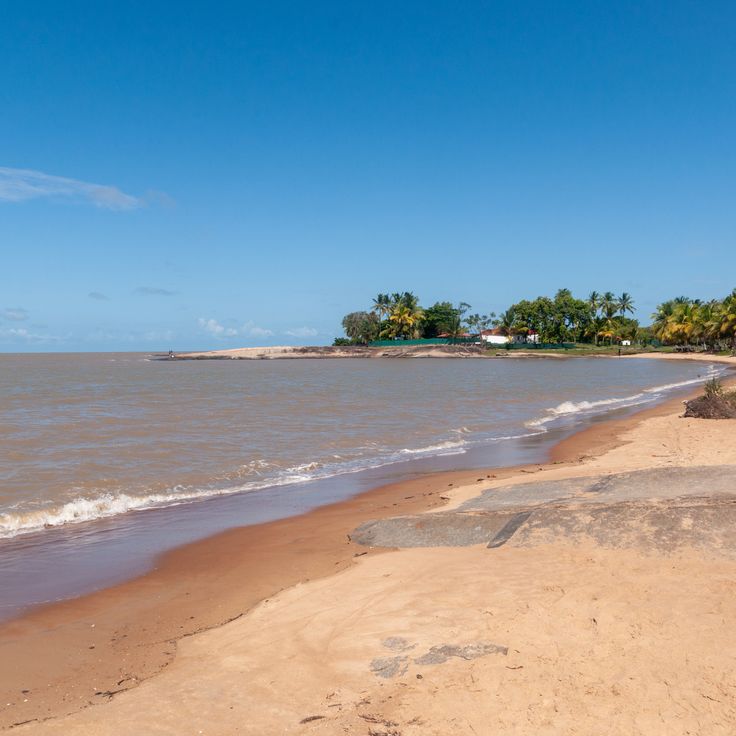
Plage Pim-Poum is a beach on the Atlantic coast that stretches about 500 meters. White sand gives way to mangrove forests at both ends. The water has small waves that are suitable for swimming. This beach is part of the coastal areas of French Guiana, where nature and history meet.
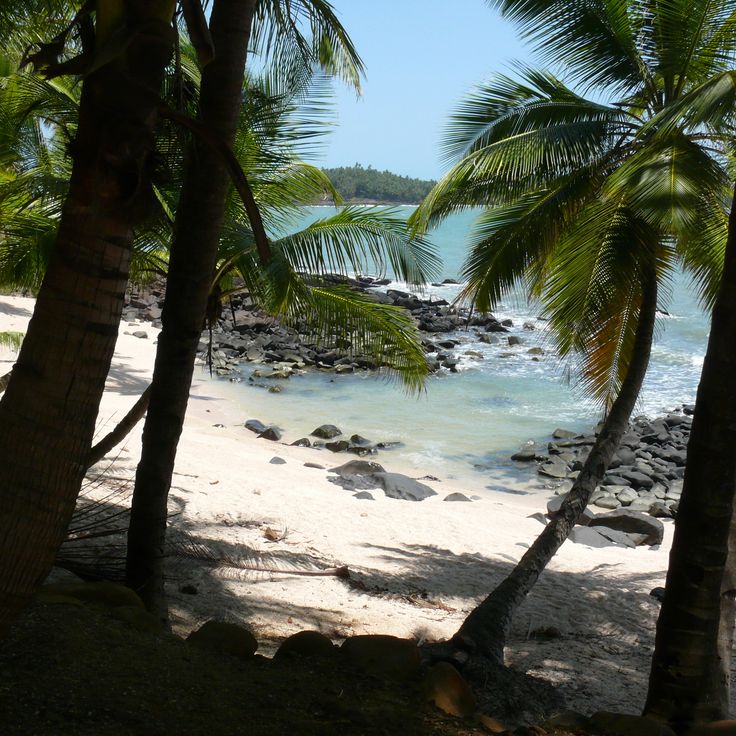
Located on the former prison island, this beach features black volcanic sand and strong currents. Palm trees line the shore near stone ruins. As part of the nature areas and historical sites in French Guiana, Plage de l'île Saint-Joseph connects the colonial past of the region with its natural coastal character.
The Canal de Kaw is a 15-kilometer waterway that links the Kaw River to the Atlantic Ocean. Within French Guiana, this canal flows through wetlands where caimans and numerous bird species make their nests. It represents part of the region's mix of natural river systems and nature reserves that blend South American ecology with French colonial heritage.
The Marais de Kaw is a wetland reserve in Kaw-Roura that serves as one of French Guiana's nature reserves. This wetland hosts numerous water birds, caimans and a wide variety of amphibians. The area represents the South American nature that defines the region, with its rivers and wetlands playing a key role in the ecosystem.
Crique Gabrielle is a creek that winds through rainforest and offers swimming spots surrounded by tropical plants. It flows through dense vegetation and provides a natural bathing experience in the heart of the forest. This waterway is part of French Guiana's network of rivers and creeks, showing how water systems connect with the region's rainforest ecosystem.
The Sentier Molokoï is a forest path that winds through Amazonian rainforest to a viewpoint overlooking the valley. This trail represents the natural landscape of French Guiana, where rainforests, rivers and coastal areas form the backbone of the region. Visitors walk through the vegetation to experience the South American nature that defines this territory.
The Îles du Salut are an archipelago off the coast of Kourou that holds historical prison buildings from the colonial era. The islands provide habitat for monkeys and turtles, showing the blend of French history and South American nature that defines French Guiana.
The Trésor Nature Reserve is a protected tropical rainforest area near Roura that belongs to this collection of nature areas and historical sites in French Guiana. The forest spans 2450 hectares and is home to 214 bird species and 62 mammal species. This site displays the rich wildlife diversity of South American nature in the region.
Plage des Hattes is a four kilometer sandy beach where leatherback turtles nest between March and July. This beach is part of French Guiana's network of nature reserves and coastal areas, showcasing the region's mix of South American wildlife and French colonial heritage.
The Loyola Sugar Plantation Ruins are among the colonial sites featured in this collection of French Guiana's natural and historical areas. The remains date from the 17th century and include walls, an aqueduct and a manor house. This plantation tells the story of French settlement and economic development in the region. The site connects South American landscapes with European colonial heritage.
The Roches gravées de la Montagne Favard are pre-Columbian rock carvings with geometric patterns and animal representations created around 500 years ago. Located near Régina, these carvings show the artistic expression of indigenous people who lived in this area long before European contact. The site helps visitors understand the cultural history of French Guiana, where rainforests, rivers and colonial heritage meet.
Saut Maripa is a river waterfall that forms multiple cascading pools surrounded by rainforest vegetation. Located in Oiapoque, the site can be accessed through hiking trails. This waterfall represents the natural landscapes that characterize French Guiana's mix of South American nature and pristine wilderness.
Camp de la Transportation is a former prison facility in this collection of nature areas and historical sites across French Guiana. The site operated from 1852 to 1953 and now displays exhibits about the penal colony history of French Guiana within its buildings.
Les Roches Gravées de la Carapa are stone carvings from pre-Columbian times located in Kourou. The engravings show geometric patterns and animal figures created by indigenous peoples. This site is part of French Guiana's historical and natural heritage, documenting the artistic traditions of the region's original inhabitants.
Montagne des Singes in Kourou is a forested hill where red howler monkeys and squirrel monkeys live in the wild. Marked trails let visitors walk through the forest and watch these primates as they move through the trees. This site fits with French Guiana's network of nature reserves that protect rainforest animals and habitats.
Mont Grand Matoury Nature Reserve protects 2123 hectares of rainforest in French Guiana with marked hiking trails. The forest is home to over 200 bird species that visitors can observe while walking through. This reserve fits into the varied landscape of the region, where rainforest, rivers and coastal areas meet.
Rémire-Montjoly is a coastal town in French Guiana with a 5-kilometer beach and several buildings from the colonial period. This place fits into the collection of nature areas and historical sites in the region, as it shows the connection between French history and South American landscapes.
Îlet la Mère is a 30-hectare island off the coast of Cayenne with the remains of a former penal colony. The island shows how France used this region in the past. Today, capuchin monkeys live in the island's forests, making it a place where you can experience both the nature and history of French Guiana together.
Pointe Buzaré is a coastal headland in Cayenne where the Mahury River meets the Atlantic Ocean. A lighthouse marks this geographical point. The site is part of a region that combines rainforests, rivers and coastal areas, blending South American nature with French history.
Cacao is a village in the rainforest where the Hmong community maintains its customs and way of life. The village has a weekly market where locals buy and sell food, crafts and goods. You can taste regional dishes and see how people have adapted to living in the forest. This settlement shows the human side of French Guiana, where traditional villages sit alongside nature reserves and colonial history.
Fort Cépérou is a 17th century fortification situated on a hill above Cayenne and the ocean. The fort represents French colonial history in French Guiana and demonstrates the architecture and role that fortifications played during this period. From its walls, you can see across the city and toward the coast.
The Maison du Bagne displays documents, objects and cells from the former penal colony that operated from 1852 to 1953. Located in Saint-Laurent-du-Maroni, this museum offers insight into a difficult chapter of French colonial history in French Guiana. It stands as a historical site that helps visitors understand the region's complex past alongside its rainforests, rivers and coastal areas.
Savane-Roche Virginie is a natural area in this region with granite rocks rising from the savannah that reach a height of about 150 meters (490 feet). The site shows the geological diversity of French Guiana and gives visitors a chance to experience the landscape beyond the rainforests.
This wooden church in Iracoubo dates to the 19th century and reflects the meeting of French colonial architecture with local traditions. The interior walls display murals inspired by indigenous art, giving the space a distinct character. The building shows how European and South American cultures blended in this region.
Trinité Reserve is an expansive rainforest nature reserve in French Guiana, featured in this collection of natural areas and historical sites across the region. The reserve shelters jaguars, giant armadillos and over 200 bird species within its tropical forest environment. Visitors can observe the diverse wildlife and dense rainforest that form the ecological heart of French Guiana.
The Amana Natural Reserve is a coastal protected area in Awala-Yalimapo spanning 15000 hectares of mangroves and beaches where rare bird species and sea turtles nest. This reserve demonstrates the natural diversity of French Guiana, where rainforest meets ocean.
Bourda Beach is one of the few sandy beaches in Cayenne and offers views of the Atlantic Ocean. The beach stretches between Mont Bourda and the city, showing how locals spend time by the water. You will find fishermen and visitors using the sand and ocean. This beach is part of the coastal landscape of French Guiana, where tropical nature and city life meet.
Tour Dreyfus is a cast iron lighthouse built in 1910 in French Guiana. The tower stands approximately 20 meters tall and features an octagonal base with a red lantern room at its top. This lighthouse represents the French colonial heritage found throughout the region, where history meets the natural landscape of rainforests and coastal areas.
Plage Pim-Poum is a beach on the Atlantic coast that stretches about 500 meters. White sand gives way to mangrove forests at both ends. The water has small waves that are suitable for swimming. This beach is part of the coastal areas of French Guiana, where nature and history meet.
Located on the former prison island, this beach features black volcanic sand and strong currents. Palm trees line the shore near stone ruins. As part of the nature areas and historical sites in French Guiana, Plage de l'île Saint-Joseph connects the colonial past of the region with its natural coastal character.
The Canal de Kaw is a 15-kilometer waterway that links the Kaw River to the Atlantic Ocean. Within French Guiana, this canal flows through wetlands where caimans and numerous bird species make their nests. It represents part of the region's mix of natural river systems and nature reserves that blend South American ecology with French colonial heritage.
The Marais de Kaw is a wetland reserve in Kaw-Roura that serves as one of French Guiana's nature reserves. This wetland hosts numerous water birds, caimans and a wide variety of amphibians. The area represents the South American nature that defines the region, with its rivers and wetlands playing a key role in the ecosystem.
Crique Gabrielle is a creek that winds through rainforest and offers swimming spots surrounded by tropical plants. It flows through dense vegetation and provides a natural bathing experience in the heart of the forest. This waterway is part of French Guiana's network of rivers and creeks, showing how water systems connect with the region's rainforest ecosystem.
The Sentier Molokoï is a forest path that winds through Amazonian rainforest to a viewpoint overlooking the valley. This trail represents the natural landscape of French Guiana, where rainforests, rivers and coastal areas form the backbone of the region. Visitors walk through the vegetation to experience the South American nature that defines this territory.
The Îles du Salut are an archipelago off the coast of Kourou that holds historical prison buildings from the colonial era. The islands provide habitat for monkeys and turtles, showing the blend of French history and South American nature that defines French Guiana.
The Trésor Nature Reserve is a protected tropical rainforest area near Roura that belongs to this collection of nature areas and historical sites in French Guiana. The forest spans 2450 hectares and is home to 214 bird species and 62 mammal species. This site displays the rich wildlife diversity of South American nature in the region.
Plage des Hattes is a four kilometer sandy beach where leatherback turtles nest between March and July. This beach is part of French Guiana's network of nature reserves and coastal areas, showcasing the region's mix of South American wildlife and French colonial heritage.
The Loyola Sugar Plantation Ruins are among the colonial sites featured in this collection of French Guiana's natural and historical areas. The remains date from the 17th century and include walls, an aqueduct and a manor house. This plantation tells the story of French settlement and economic development in the region. The site connects South American landscapes with European colonial heritage.
The Roches gravées de la Montagne Favard are pre-Columbian rock carvings with geometric patterns and animal representations created around 500 years ago. Located near Régina, these carvings show the artistic expression of indigenous people who lived in this area long before European contact. The site helps visitors understand the cultural history of French Guiana, where rainforests, rivers and colonial heritage meet.
Saut Maripa is a river waterfall that forms multiple cascading pools surrounded by rainforest vegetation. Located in Oiapoque, the site can be accessed through hiking trails. This waterfall represents the natural landscapes that characterize French Guiana's mix of South American nature and pristine wilderness.
Camp de la Transportation is a former prison facility in this collection of nature areas and historical sites across French Guiana. The site operated from 1852 to 1953 and now displays exhibits about the penal colony history of French Guiana within its buildings.
Les Roches Gravées de la Carapa are stone carvings from pre-Columbian times located in Kourou. The engravings show geometric patterns and animal figures created by indigenous peoples. This site is part of French Guiana's historical and natural heritage, documenting the artistic traditions of the region's original inhabitants.
Montagne des Singes in Kourou is a forested hill where red howler monkeys and squirrel monkeys live in the wild. Marked trails let visitors walk through the forest and watch these primates as they move through the trees. This site fits with French Guiana's network of nature reserves that protect rainforest animals and habitats.
Mont Grand Matoury Nature Reserve protects 2123 hectares of rainforest in French Guiana with marked hiking trails. The forest is home to over 200 bird species that visitors can observe while walking through. This reserve fits into the varied landscape of the region, where rainforest, rivers and coastal areas meet.
Rémire-Montjoly is a coastal town in French Guiana with a 5-kilometer beach and several buildings from the colonial period. This place fits into the collection of nature areas and historical sites in the region, as it shows the connection between French history and South American landscapes.
Îlet la Mère is a 30-hectare island off the coast of Cayenne with the remains of a former penal colony. The island shows how France used this region in the past. Today, capuchin monkeys live in the island's forests, making it a place where you can experience both the nature and history of French Guiana together.
Pointe Buzaré is a coastal headland in Cayenne where the Mahury River meets the Atlantic Ocean. A lighthouse marks this geographical point. The site is part of a region that combines rainforests, rivers and coastal areas, blending South American nature with French history.
Cacao is a village in the rainforest where the Hmong community maintains its customs and way of life. The village has a weekly market where locals buy and sell food, crafts and goods. You can taste regional dishes and see how people have adapted to living in the forest. This settlement shows the human side of French Guiana, where traditional villages sit alongside nature reserves and colonial history.
Fort Cépérou is a 17th century fortification situated on a hill above Cayenne and the ocean. The fort represents French colonial history in French Guiana and demonstrates the architecture and role that fortifications played during this period. From its walls, you can see across the city and toward the coast.
The Maison du Bagne displays documents, objects and cells from the former penal colony that operated from 1852 to 1953. Located in Saint-Laurent-du-Maroni, this museum offers insight into a difficult chapter of French colonial history in French Guiana. It stands as a historical site that helps visitors understand the region's complex past alongside its rainforests, rivers and coastal areas.
Savane-Roche Virginie is a natural area in this region with granite rocks rising from the savannah that reach a height of about 150 meters (490 feet). The site shows the geological diversity of French Guiana and gives visitors a chance to experience the landscape beyond the rainforests.
This wooden church in Iracoubo dates to the 19th century and reflects the meeting of French colonial architecture with local traditions. The interior walls display murals inspired by indigenous art, giving the space a distinct character. The building shows how European and South American cultures blended in this region.
Trinité Reserve is an expansive rainforest nature reserve in French Guiana, featured in this collection of natural areas and historical sites across the region. The reserve shelters jaguars, giant armadillos and over 200 bird species within its tropical forest environment. Visitors can observe the diverse wildlife and dense rainforest that form the ecological heart of French Guiana.
The Amana Natural Reserve is a coastal protected area in Awala-Yalimapo spanning 15000 hectares of mangroves and beaches where rare bird species and sea turtles nest. This reserve demonstrates the natural diversity of French Guiana, where rainforest meets ocean.
Bourda Beach is one of the few sandy beaches in Cayenne and offers views of the Atlantic Ocean. The beach stretches between Mont Bourda and the city, showing how locals spend time by the water. You will find fishermen and visitors using the sand and ocean. This beach is part of the coastal landscape of French Guiana, where tropical nature and city life meet.
Tour Dreyfus is a cast iron lighthouse built in 1910 in French Guiana. The tower stands approximately 20 meters tall and features an octagonal base with a red lantern room at its top. This lighthouse represents the French colonial heritage found throughout the region, where history meets the natural landscape of rainforests and coastal areas.
Plage Pim-Poum is a beach on the Atlantic coast that stretches about 500 meters. White sand gives way to mangrove forests at both ends. The water has small waves that are suitable for swimming. This beach is part of the coastal areas of French Guiana, where nature and history meet.
Located on the former prison island, this beach features black volcanic sand and strong currents. Palm trees line the shore near stone ruins. As part of the nature areas and historical sites in French Guiana, Plage de l'île Saint-Joseph connects the colonial past of the region with its natural coastal character.
The Canal de Kaw is a 15-kilometer waterway that links the Kaw River to the Atlantic Ocean. Within French Guiana, this canal flows through wetlands where caimans and numerous bird species make their nests. It represents part of the region's mix of natural river systems and nature reserves that blend South American ecology with French colonial heritage.