Quai Panhard-et-Levassor, Riverfront street in 13th arrondissement, France
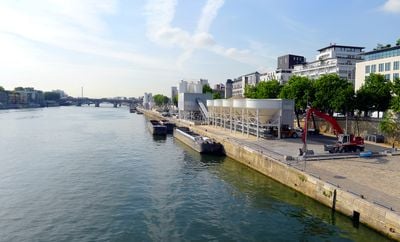
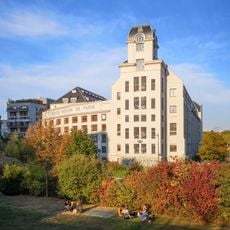
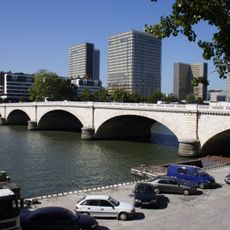
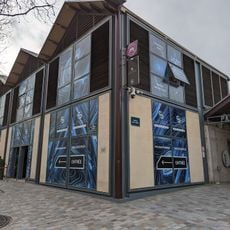
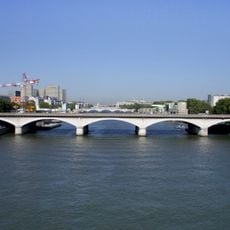
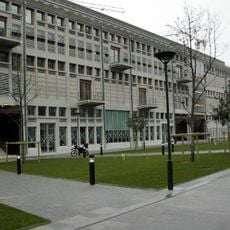
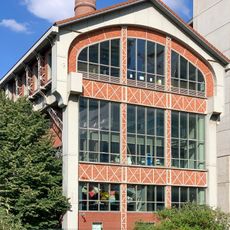
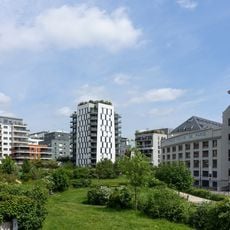
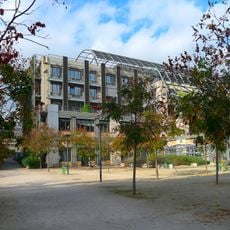
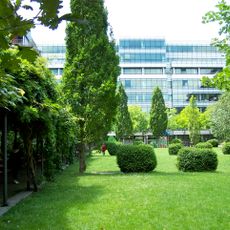
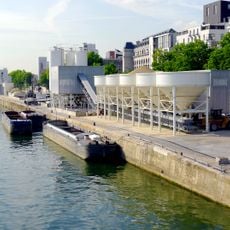
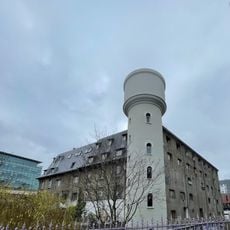
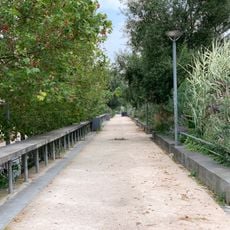
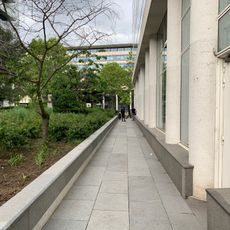
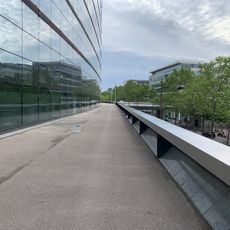
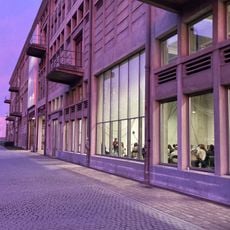
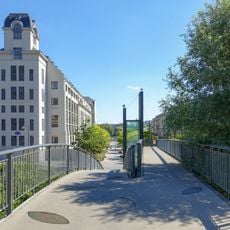
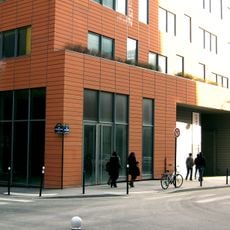
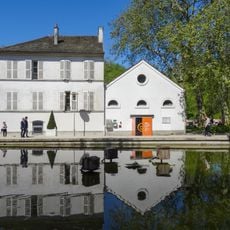
Quai Panhard-et-Levassor is a quay in the 13th arrondissement of Paris, in the Quartier de la Gare, running along the Seine from the Pont National and boulevard Masséna to the Pont de Tolbiac and rue de Tolbiac. Above the Port de Tolbiac, its landward side is lined with buildings including the former compressed-air plant of the Société urbaine d'air comprimé (1891) and a seven-storey building of 2007 by Frédéric Borel, both used by the ENSA Paris-Val de Seine architecture school.
Originally established in the 1600s as a simple riverside pathway, the street was renamed in 1991 to honor two French engineers who pioneered automobile manufacturing. This renaming reflected the area's industrial heritage and evolution.
The quay's name honours René Panhard (1841–1908) and Émile Levassor (1843–1897), founders of Panhard & Levassor and builders of the first petrol-driven car. At nos. 3 to 13, ENSA Paris-Val de Seine occupies the former Société urbaine d'air comprimé plant (1891, engineer Joseph Leclaire, architect Guy Lebris), whose hall and chimney were listed as monuments historiques on 29 June 1994.
The quay runs from the Pont National and boulevard Masséna to the Pont de Tolbiac and rue de Tolbiac. Nearby access is by metro line 14 at Bibliothèque François-Mitterrand, tram line 3a at Avenue de France and RER line C at Bibliothèque François-Mitterrand. The Port de Tolbiac harbour installations lie along the stretch before the Pont de Tolbiac.
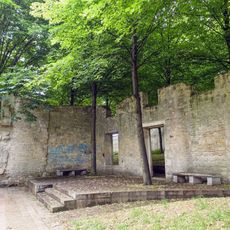
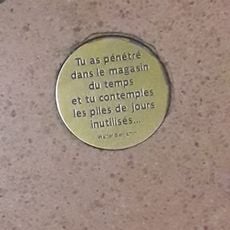
One of the buildings along this street served as a forced labor camp during World War II and now bears memorial plaques in remembrance. This quiet reminder of the past shows how the area's industrial history is embedded in its physical spaces.
The community of curious travelers
AroundUs brings together thousands of curated places, local tips, and hidden gems, enriched daily by 93,847 contributors worldwide.