Trésor gaulois de Laniscat, Celtic coin collection in Laniscat, France
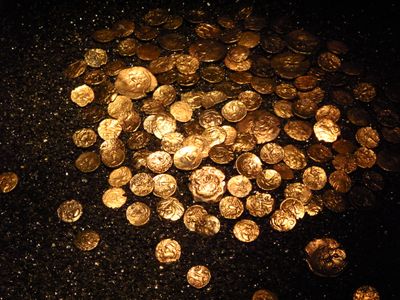
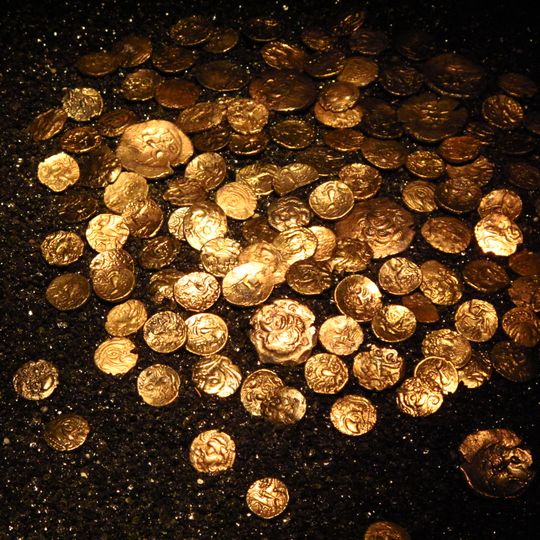
The Celtic coin treasure of Laniscat is a collection of 545 ancient coins discovered during archaeological excavations for a road project in central Brittany. The coins consist of 58 stateres and 487 quarter stateres, buried within a concentrated area.
The coins were minted between 75 BC and 5 BC by the Osismae tribe, a Celtic group from the Breton peninsula. They were produced during the period of Roman invasions and show a people managing their economy amid significant upheaval.
The coins display Celtic designs showing horses, human figures, and hybrid creatures that reflect the artistic traditions of pre-Roman Gaulish society. These depictions offer insight into the symbols and beliefs that mattered to the people living in this region.
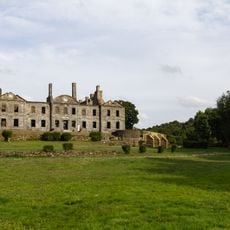
The excavation took place at a location near Laniscat where a road construction project was underway. Information about the site and the collection can be obtained from local archaeological institutions or regional authorities.
This represents the largest coin hoard from pre-Roman Gaulish times ever discovered. The find demonstrates that the region was a center of economic strength, maintaining its own coinage as Rome expanded into the territory.
The community of curious travelers
AroundUs brings together thousands of curated places, local tips, and hidden gems, enriched daily by 60,000 contributors worldwide.