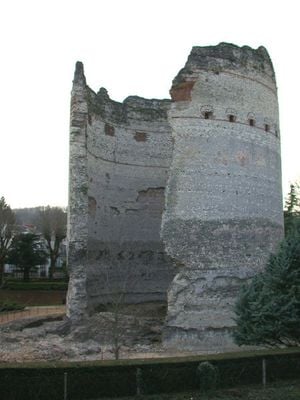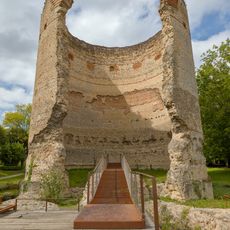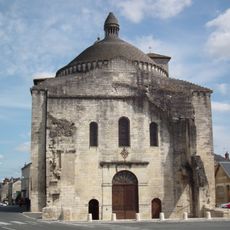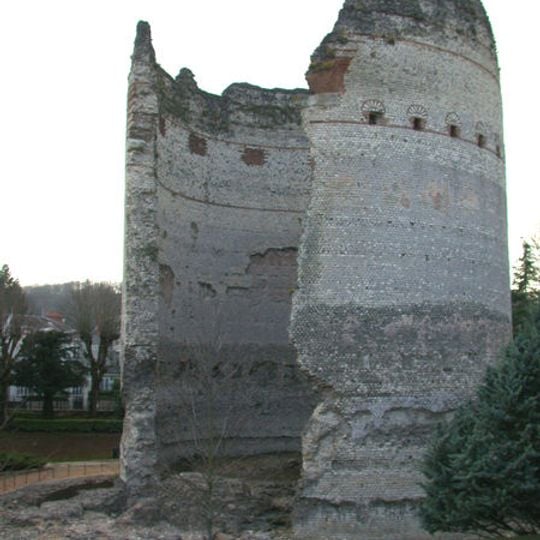
Vesunna, Gallo-Roman archaeological site in Périgueux, France.
The Vesunna archaeological site displays exceptionally preserved remains of a first-century Gallo-Roman domus featuring colorful wall paintings, detailed mosaics, and sophisticated architectural elements that demonstrate the wealth and status of its ancient residents.
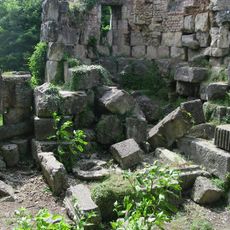
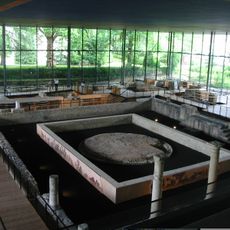
Discovered in 1959 during construction work, this site reveals the remains of the ancient capital of the Petrocores tribe, occupied from the first to fourth centuries AD, including structures with hypocaust heating systems and private baths.
The wall paintings and exhibited artifacts perfectly illustrate aristocratic Gallo-Roman lifestyle, showing Mediterranean artistic influence on domestic decoration and religious practices during the ancient period in this Aquitaine region of southwestern France.
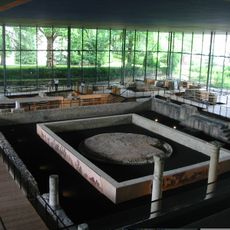
The Vesunna Museum, designed by Jean Nouvel and opened in 2003, protects the ruins under a modern structure with walkways allowing visitors to directly explore the ancient remains and view collections of archaeological objects.
A perfectly preserved wooden pump was discovered in one of the site's wells, providing exceptional evidence of the advanced hydraulic techniques used by the inhabitants of this wealthy Gallo-Roman residence in Périgueux.
The community of curious travelers
AroundUs brings together thousands of curated places, local tips, and hidden gems, enriched daily by 92,717 contributors worldwide.