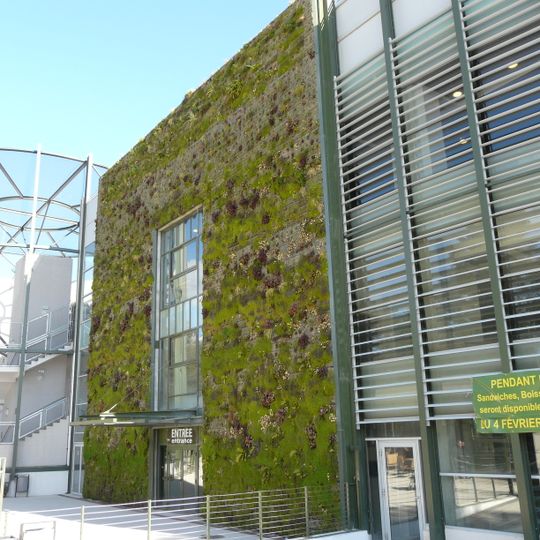
Parc zoologique de Montpellier, Zoo and botanical garden in Montpellier, France
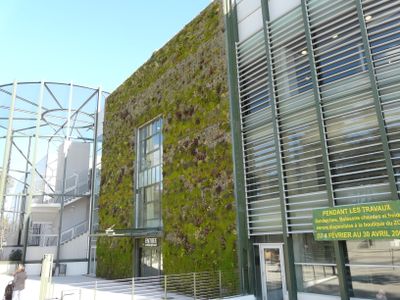
The Parc zoologique de Montpellier, formally Parc zoologique de Lunaret, occupies 80 hectares of garrigue and Mediterranean forest in the Aiguelongue section of the Hôpitaux-Facultés district, north of Montpellier. About 170 animals of 29 species are held in roughly forty enclosures along 11 km of paths. The 2,600 m² Amazonian greenhouse, opened in 2007, has been closed since 2021.
The land, the La Valette estate, passed through many owners ruined by bankruptcy until Henri de Lunaret bequeathed it to the city of Montpellier in 1919, on condition that it serve a charitable purpose. The upper wooded part became the Parc zoologique de Lunaret in 1964, with Marcel Gallet as director, after François Doumenge proposed building a zoo there. Its first public animal was a zebra named François, after the deputy behind the idea. The zoo closed on 1 August 2026 for 29 months of redevelopment, with reopening planned for 2028.
The zoo's first animal was a zebra named François, after François Doumenge, the deputy mayor who proposed building the zoo. The name recalls the park's founding in 1964 on the upper wooded part of the La Valette estate, left to the city by Henri de Lunaret.
The zoo closed on 1 August 2026 for a 29-month redevelopment and is due to reopen in 2028, so visits are not possible until then. The grounds lie in the Aiguelongue section of the Hôpitaux-Facultés district, north of Montpellier, within the Lunaret park that also holds the Lez nature reserve. The site covers 80 hectares crossed by 11 km of paths through garrigue and Mediterranean forest.
The first animal shown to the public in 1964 was a zebra named François, after François Doumenge, the deputy mayor who proposed building the zoo on the wooded upper part of the La Valette estate. The name links the park's founding to a local political decision.
The community of curious travelers
AroundUs brings together thousands of curated places, local tips, and hidden gems, enriched daily by 92,954 contributors worldwide.