See the monuments around you in AROpen chests in the app
Around Us is built for your phone — point your camera at the streets and discover the monuments and places around you in augmented reality.Around Us is built for your phone — chests unlock when you walk, explore and capture nearby places.
Montpellier provides photographers with diverse locations spread across the city. Modern buildings like Arbre Blanc and Corum stand alongside medieval structures such as the Tour des Pins and Porte du Peyrou. The city layers different architectural periods throughout its neighborhoods, offering varied subjects for photography.
The narrow streets of the historic center, particularly around Rue du Bras de Fer and Canourgue Square, show the city's older character with winding alleys and aged stone facades. In contrast, the Antigone district presents neoclassical design with clean lines and open plazas. Port Marianne represents contemporary urban development, while contemporary art pieces like the McCollum Sculptures add visual interest.
Gardens such as Planchon and outdoor markets like Laissac provide natural elements and daily life scenes. The city also contains historical landmarks including the Saint-Clément Aqueduct and Château d'Ô. Whether you seek architectural details, urban landscapes, or scenes of local activity, Montpellier presents numerous photography possibilities.
Montpellier provides photographers with diverse locations spread across the city. Modern buildings like Arbre Blanc and Corum stand alongside medieval structures such as the Tour des Pins and Porte du Peyrou. The city layers different architectural periods throughout its neighborhoods, offering varied subjects for photography.
The narrow streets of the historic center, particularly around Rue du Bras de Fer and Canourgue Square, show the city's older character with winding alleys and aged stone facades. In contrast, the Antigone district presents neoclassical design with clean lines and open plazas. Port Marianne represents contemporary urban development, while contemporary art pieces like the McCollum Sculptures add visual interest.
Gardens such as Planchon and outdoor markets like Laissac provide natural elements and daily life scenes. The city also contains historical landmarks including the Saint-Clément Aqueduct and Château d'Ô. Whether you seek architectural details, urban landscapes, or scenes of local activity, Montpellier presents numerous photography possibilities.
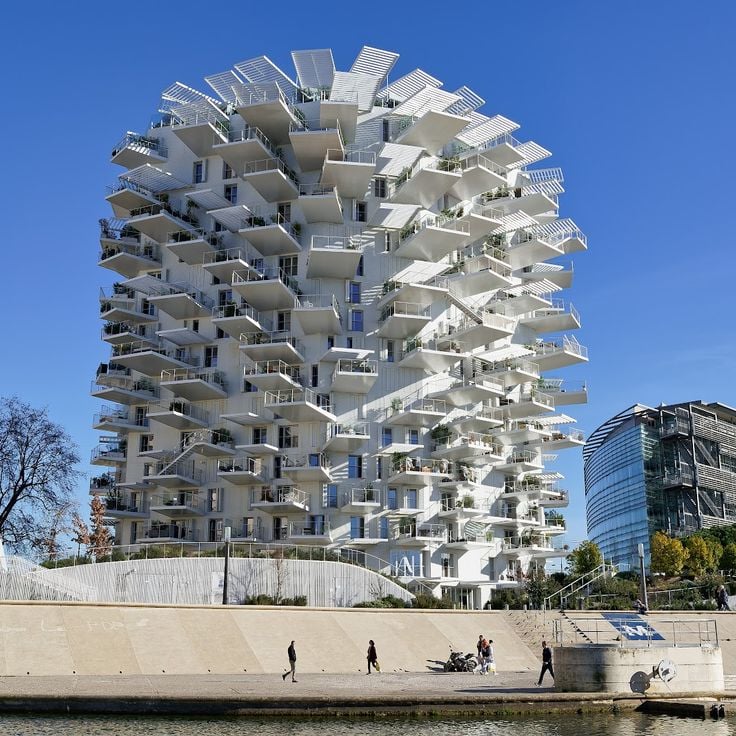
The Arbre Blanc is a modern 17-story tower in Montpellier with extended balconies shaped like tree branches, completed in 2019. This building holds apartments, restaurants, and art galleries. For photographers exploring Montpellier's diverse settings, this structure offers a striking example of contemporary design that contrasts with the city's older quarters. The branch-like balconies create dynamic lines and shifting shadows throughout the day, making it a compelling subject from different angles and lighting conditions.
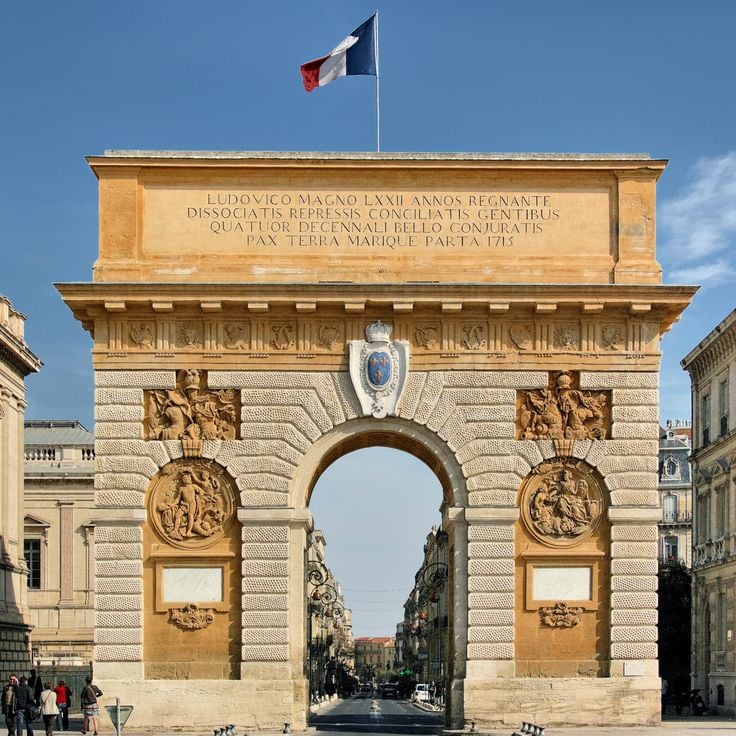
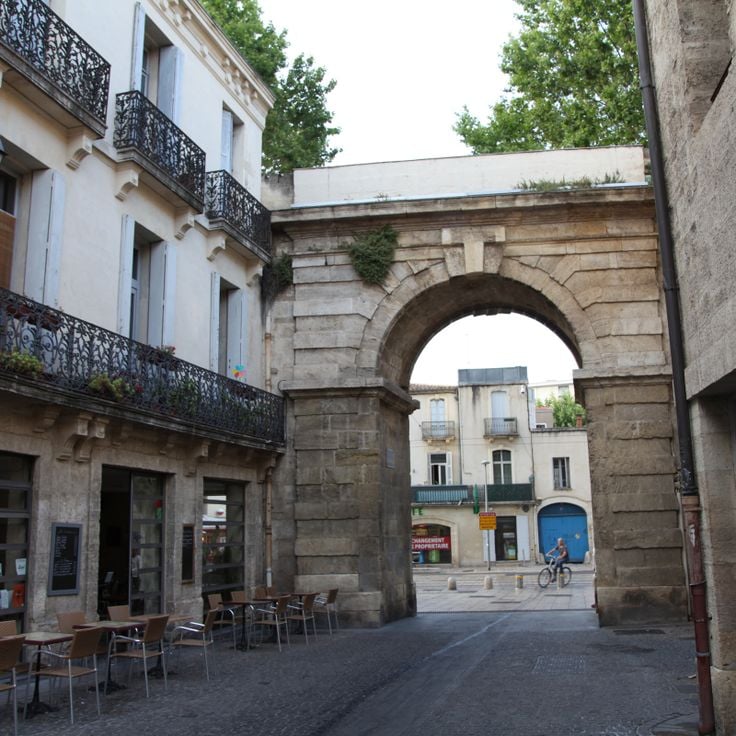
The Porte du Peyrou is a royal arch built in 1693 to honor Louis XIV. This monument marks the entrance to the royal square and serves as an excellent photography spot for capturing Montpellier's classical architecture. The arch connects the city's historic and modern areas, offering photographers opportunities to document the contrast between old and new structures throughout the city's urban landscape.
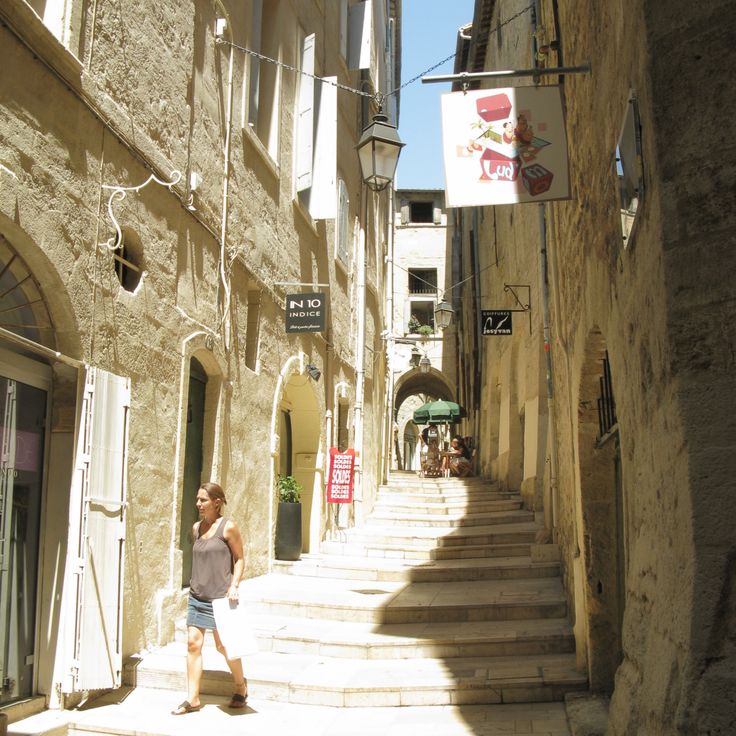
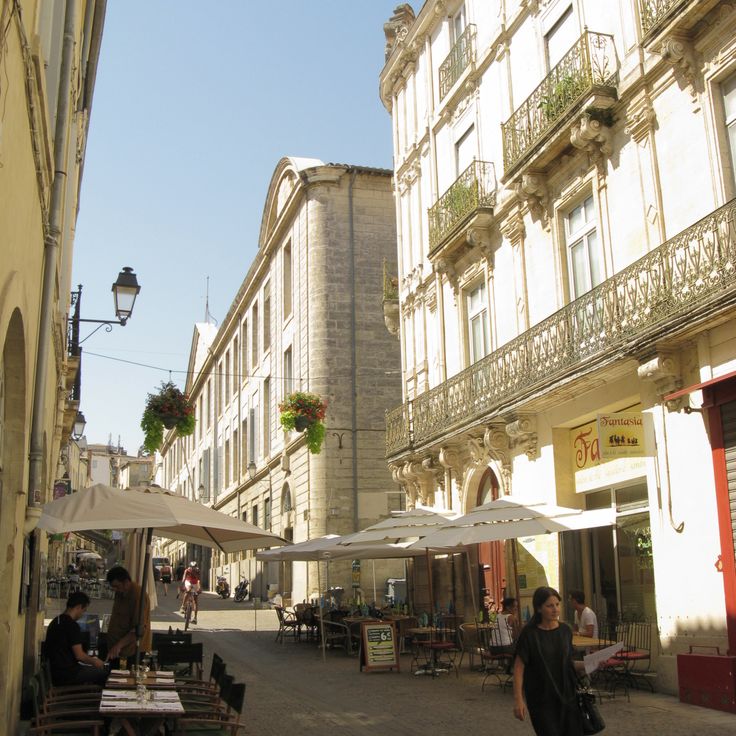
Rue du Bras de Fer is a medieval street in Montpellier's historic center and offers photographers a genuine setting among the city's diverse urban landscape. Stone buildings and traditional architecture line the street, while multiple art galleries and craft shops occupy the ground floors. This location captures the texture of the old city and how it blends with contemporary uses.
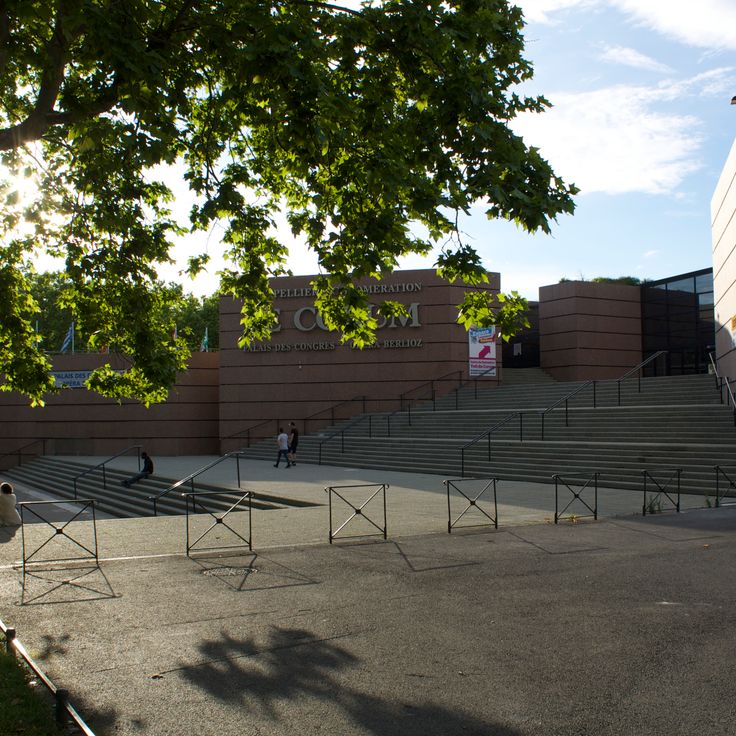
Le Corum serves as the conference center and opera house of this city, built from pink granite. The structure features multiple terraces, stairs, and elevated platforms that offer views across the city. For photography in Montpellier, this building provides a modern example alongside historic sites such as the Porte du Peyrou arch and medieval structures like the Tour des Pins.
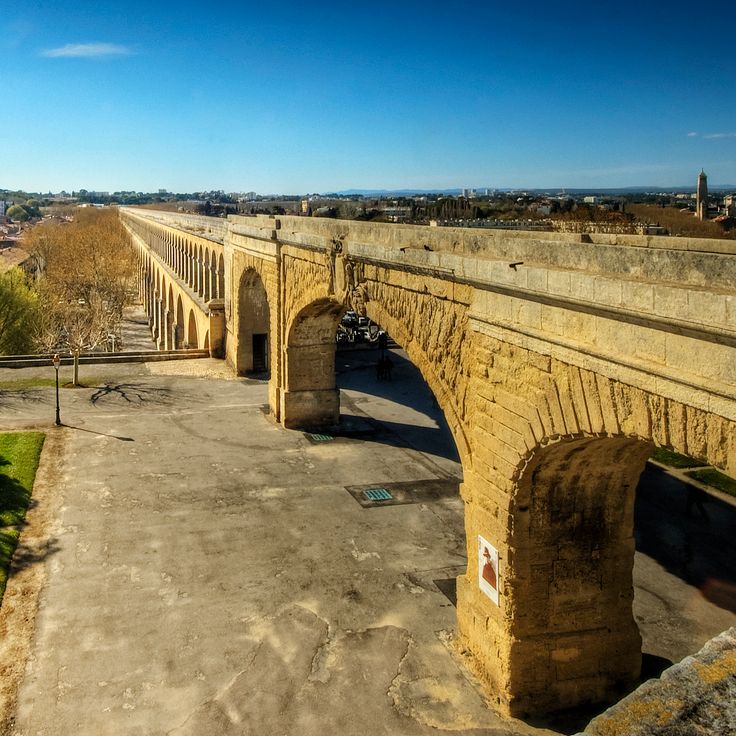
The Saint-Clément Aqueduct is a stone waterway structure from the 18th century that spans across multiple levels with arches and passages. This historical construction offers photographers distinctive subjects with its characteristic stone arcades and the interplay of light and shadow created by the multilayered structures.
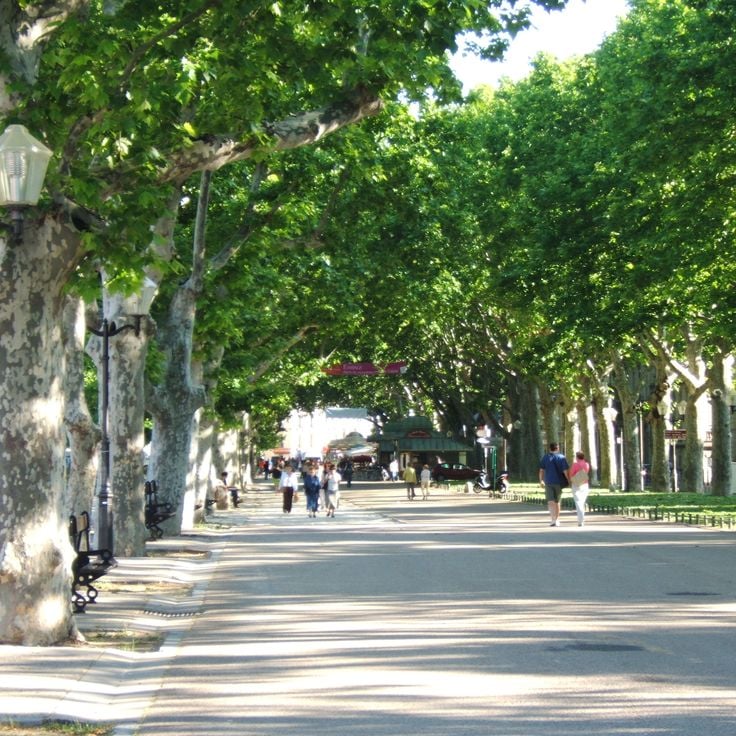
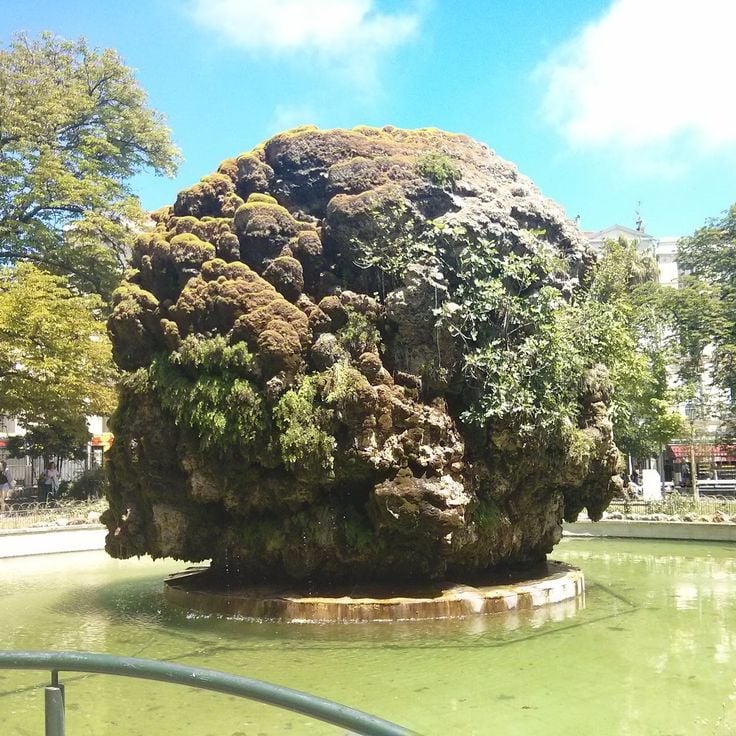
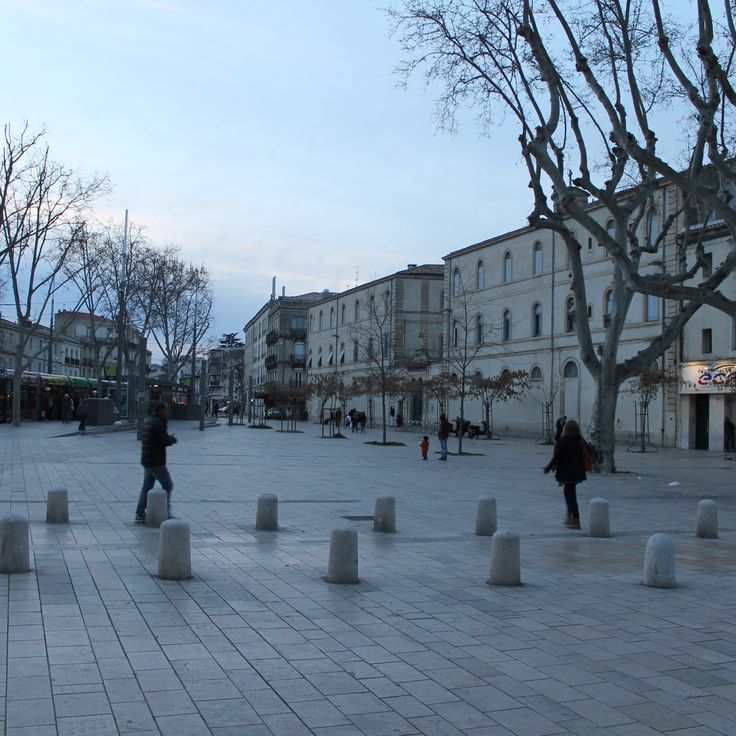
Charles de Gaulle Plaza is a public space in Montpellier lined with plane trees, benches and fountains positioned between the old town and modern districts. This location offers photographers diverse compositions capturing the transition between historic and contemporary areas. The arrangement of trees and water features creates varied visual possibilities for documenting the city's urban landscape. The plaza serves as a gathering point where the old and new sides of Montpellier meet.
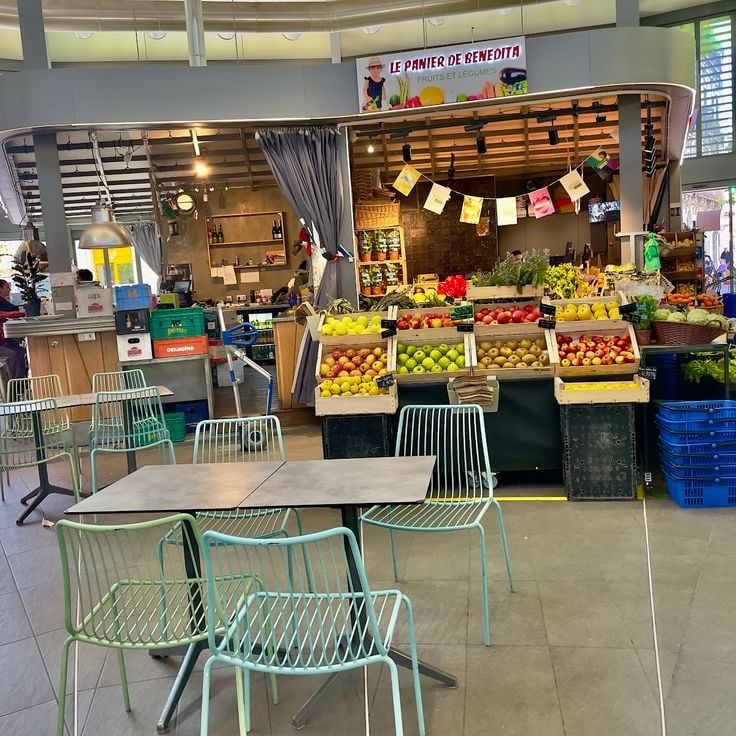
The Laissac Market in Montpellier is a photography location that captures the blend between the city's old and new architecture. This circular building with glass walls houses food vendors and restaurants offering regional products and Mediterranean specialties. As a contemporary space set among historic streets and classical districts, it provides interesting contrasts for photographers documenting Montpellier's modern urban landscape.
The Planchon Garden in Montpellier's university district is a good spot for photography. This garden displays Mediterranean and exotic plant species arranged along stone paths. Benches are scattered throughout, creating natural focal points for images. The location offers varied subjects through its vegetation and quiet surroundings, complementing the mix of modern and historic buildings found across the city.
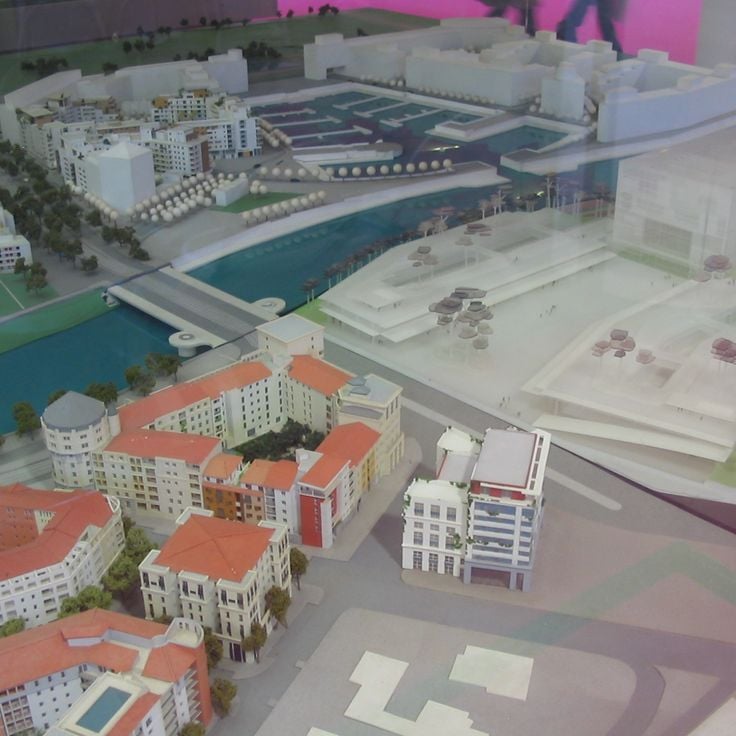
Port Marianne is a modern district in Montpellier that features glass buildings, wide boulevards, and the RBC Design Center designed by architect Jean Nouvel in 2014. This location offers varied photography opportunities within the city's urban landscape, where contemporary architecture contrasts with the historic surroundings of Montpellier.
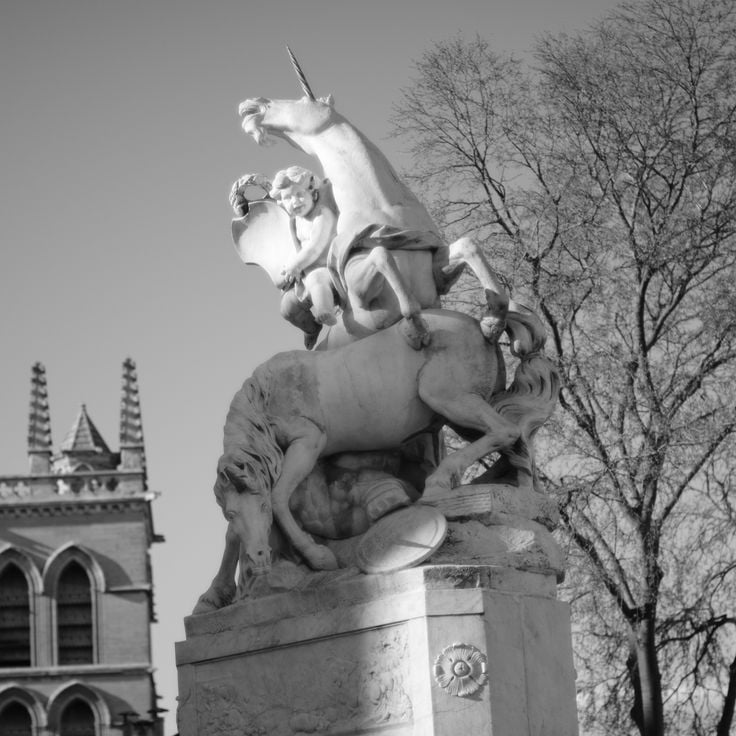
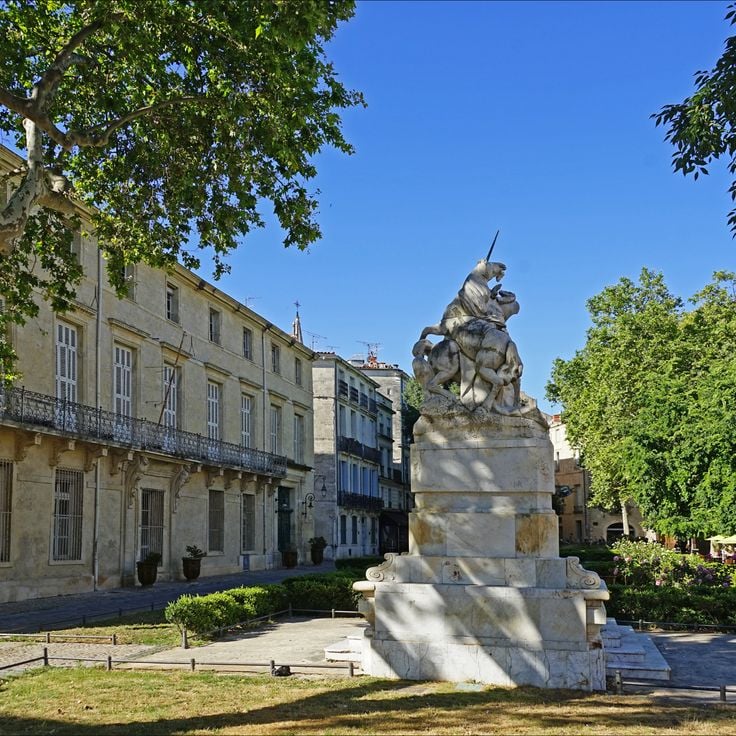
The Fontaine des Licornes is a stone fountain built in 1776 on Place de la Canourgue in Montpellier. Two unicorn sculptures decorate this historic fountain, located near Saint Pierre Cathedral. This fountain offers photographers a compelling spot to capture the blend of Montpellier's medieval structures and classical architecture.
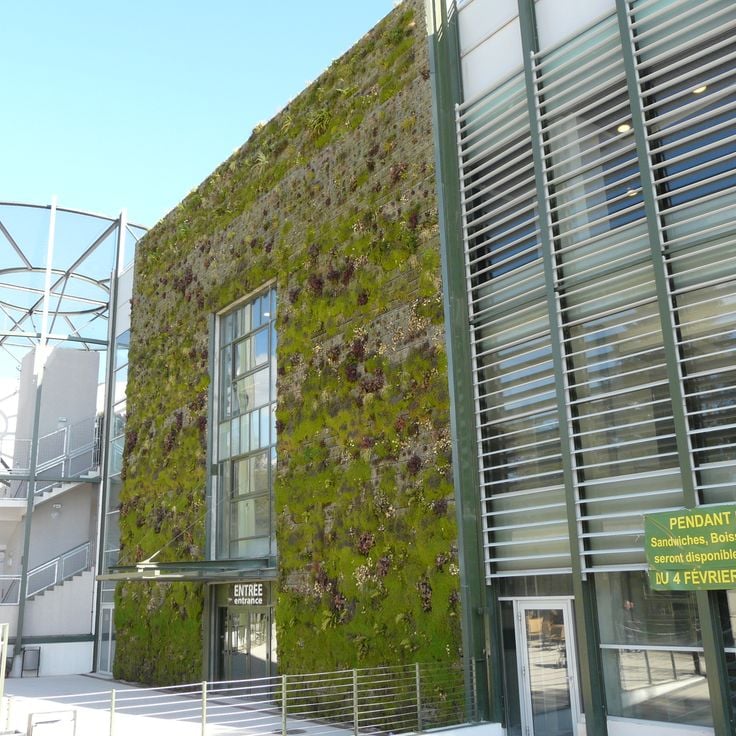
La Serre Amazonienne in Montpellier is a large glass greenhouse complex that displays South American plants, reptiles, and amphibians. The facility offers photography opportunities with dense foliage, exotic colors, and the structural design of the greenhouse architecture. Inside, the tropical environment with its humid conditions and controlled warmth creates distinctive visual settings that contrast sharply with the rest of the city's urban landscape.
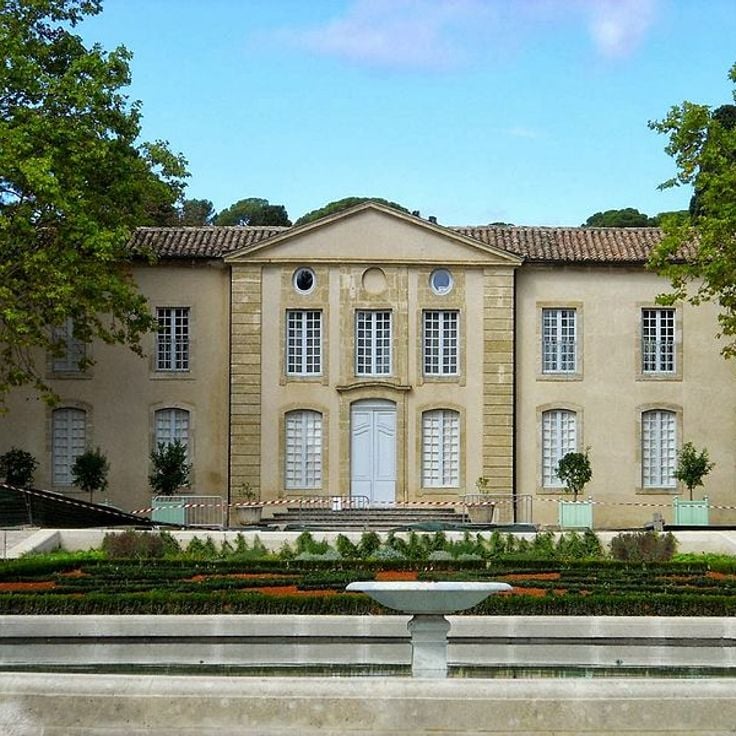
The Château d'Ô is an 18th-century estate in Montpellier with features that draw photographers seeking to capture historical architecture. The property showcases French gardens, stone terraces, and hosts cultural performances throughout the year. It represents the classical heritage of the city, offering a contrast to Montpellier's modern districts and contemporary buildings like the Arbre Blanc.
This Saint-Roch Parking structure is a concrete and steel building that serves as a photography location within Montpellier's diverse urban landscape. The multi-level garage displays curved lines and geometric patterns throughout its design. Its distinctive circular ramp system creates visual interest and represents the city's modern architectural side, standing alongside historic landmarks like the Porte du Peyrou and medieval structures.
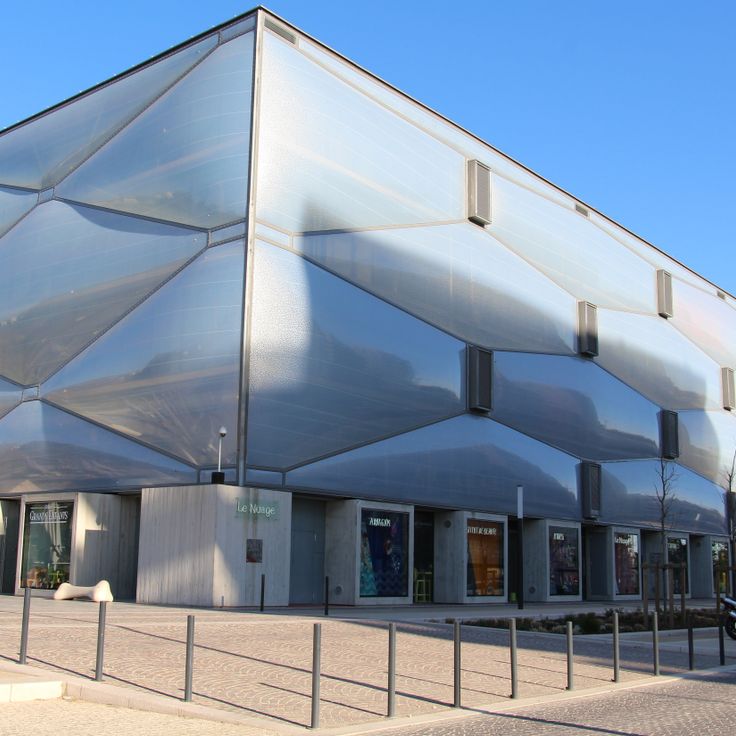
The Cloud is a sports complex in Montpellier that makes for an interesting photography spot. The building features a white translucent exterior that filters natural light, creating visual effects of shadow and illumination. Inside are swimming pools and fitness facilities. This modern structure fits into Montpellier's varied architectural landscape, where contemporary buildings stand alongside historic monuments like the Porte du Peyrou arch and medieval structures such as the Tour des Pins tower.
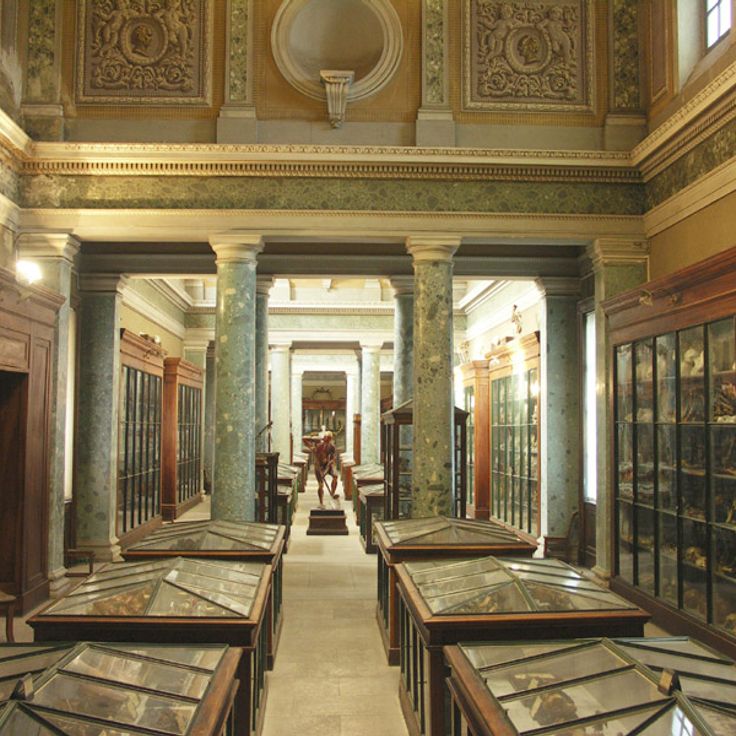
The Anatomy Museum in Montpellier displays preserved human organs, anatomical models, and medical instruments from the 19th century in wooden display cases. For photographers, this museum offers a distinctive location to capture the history of medical science and document detailed exhibitions set within the city's mix of modern and historic architecture.
The Scottish College in Montpellier is a modernist building designed by Le Corbusier in 1924. For photographers, this structure offers visual interest through its geometric concrete forms used in student housing and study spaces. The building exemplifies the blend of historical and contemporary architecture that makes Montpellier a rich location for photography, alongside medieval structures and modern districts.
Canourgue Square in Montpellier is an eighteenth century photography location that fits well among the city's diverse photography settings. The square is lined with stone mansions and features geometric gardens with a central fountain. Mature trees and stone benches provide shade and create varied perspectives for photography throughout the space.
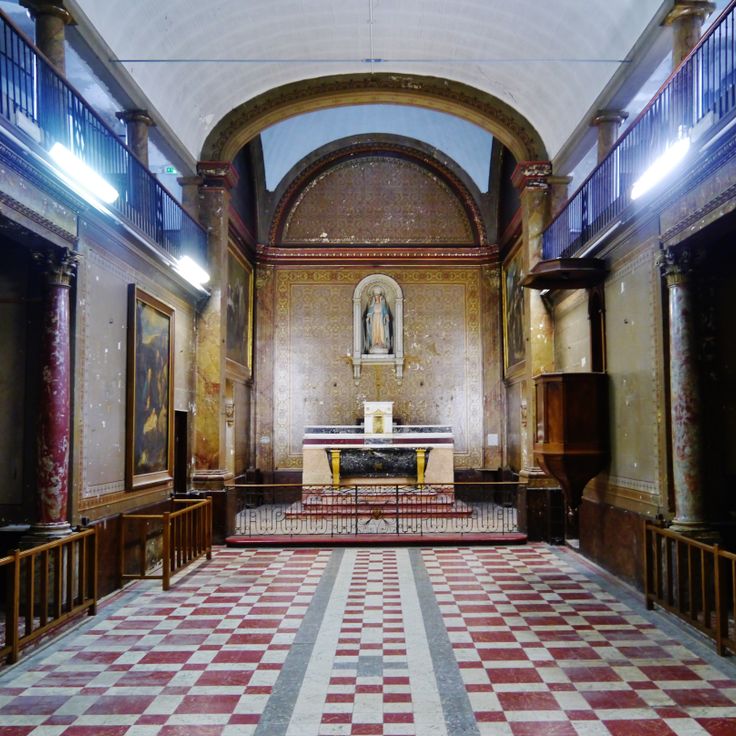
The Mercy Chapel in Montpellier is a religious building with a compelling history. Inside, it contains an old pharmacy with original wooden cabinets, glass containers, and medical instruments from the 19th century. For photographers, this location offers a rare glimpse into how religious spaces once served practical community needs. The chapel demonstrates the layered history of Montpellier, where old and new sit side by side. It fits naturally into the city's photographic story, alongside medieval structures and modern architecture.
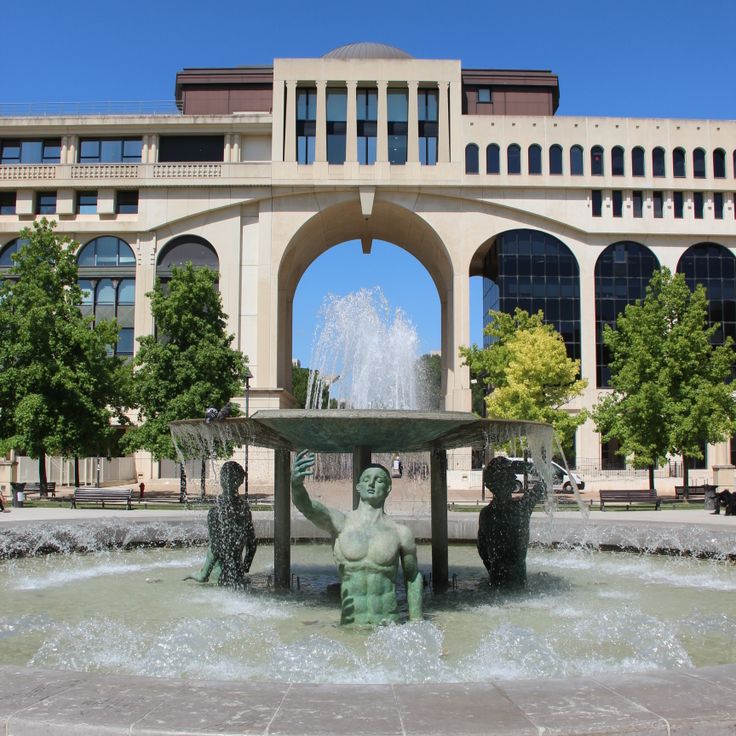
The Antigone District in Montpellier serves as an excellent location for photographers documenting modern urban architecture throughout the city. This residential area was built in 1979 and blends modern apartments with classical architectural elements. Wide boulevards, public squares, and the Lez River nearby offer varied photography opportunities for capturing contemporary city design.
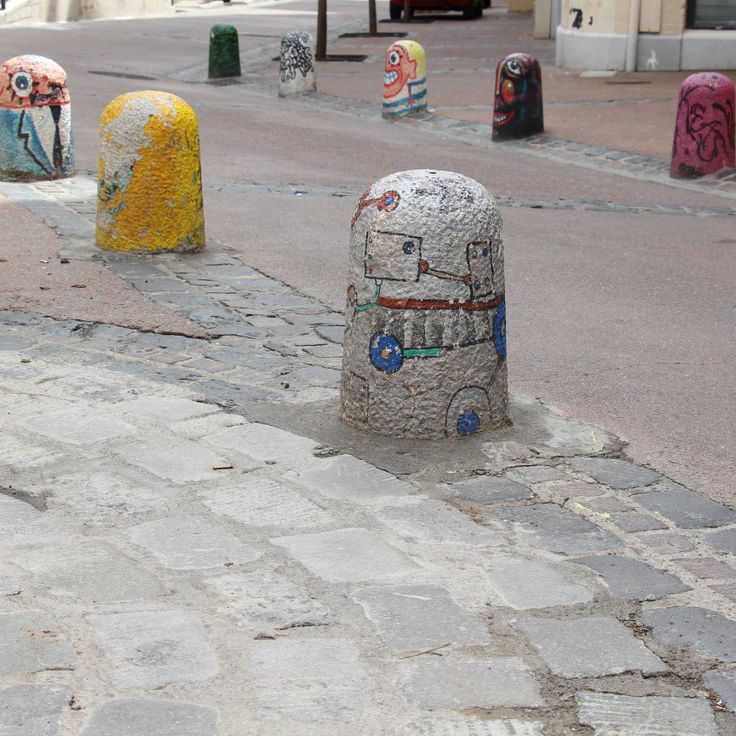
Plan Cabanes Square is a local market square in Montpellier where vendors sell fresh produce and everyday goods throughout the week. The walls of surrounding buildings display colorful street art that adds character to the space. Located in a multicultural neighborhood, this square offers photographers diverse subjects that capture the rhythm of daily life, local commerce, and urban creativity.
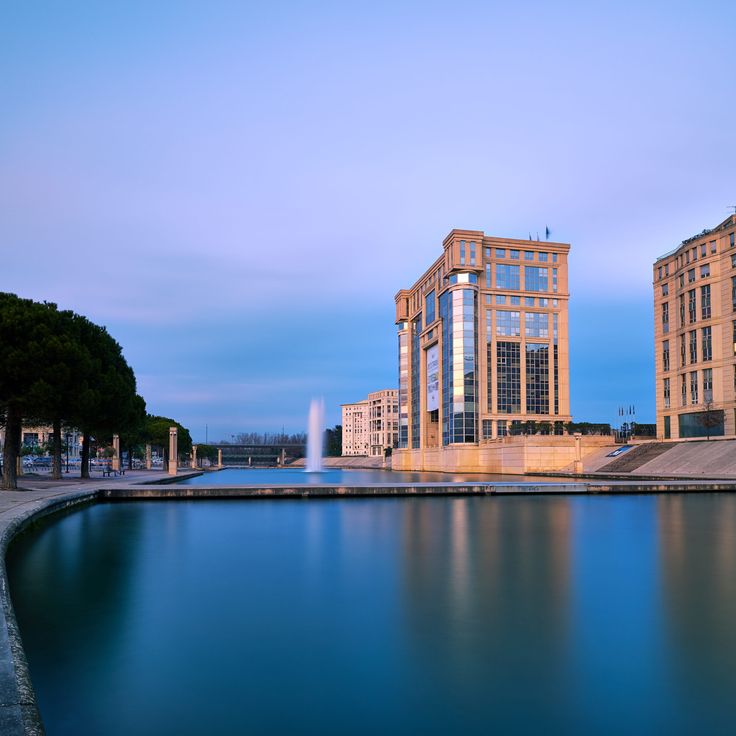
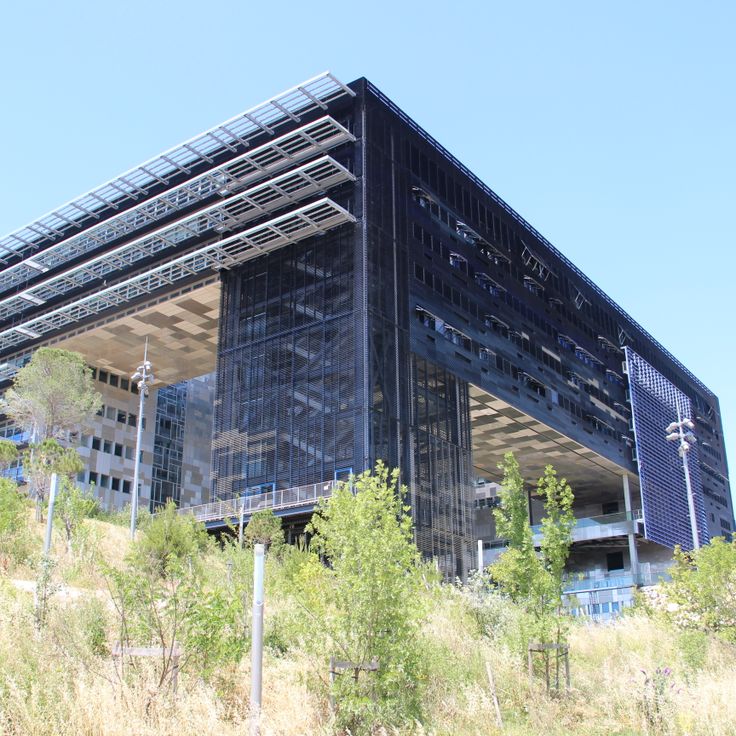
Montpellier City Hall is an administrative building completed in 2011 and offers compelling photography opportunities within the city's urban landscape. Its blue glass panels and metal framework exemplify the modern architecture that defines Montpellier, contrasting with historic landmarks such as the Porte du Peyrou arch. The public square in front of the building and contemporary art installations positioned there create diverse photographic settings for capturing the blend of old and new that characterizes the city.
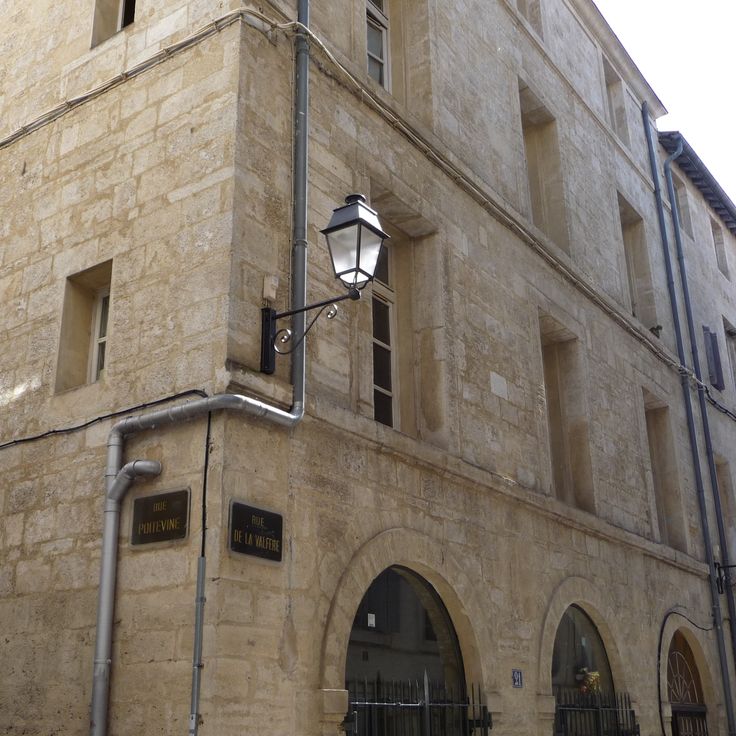
Valfère Street in Montpellier is a photography location that reveals elements from different periods of the city. The medieval stone paving and residential buildings with ornate doors reflect the traditional Mediterranean architectural elements found throughout Montpellier. This street offers contrast to modern structures like the Arbre Blanc building and demonstrates the mix of old and new architecture that characterizes the city.
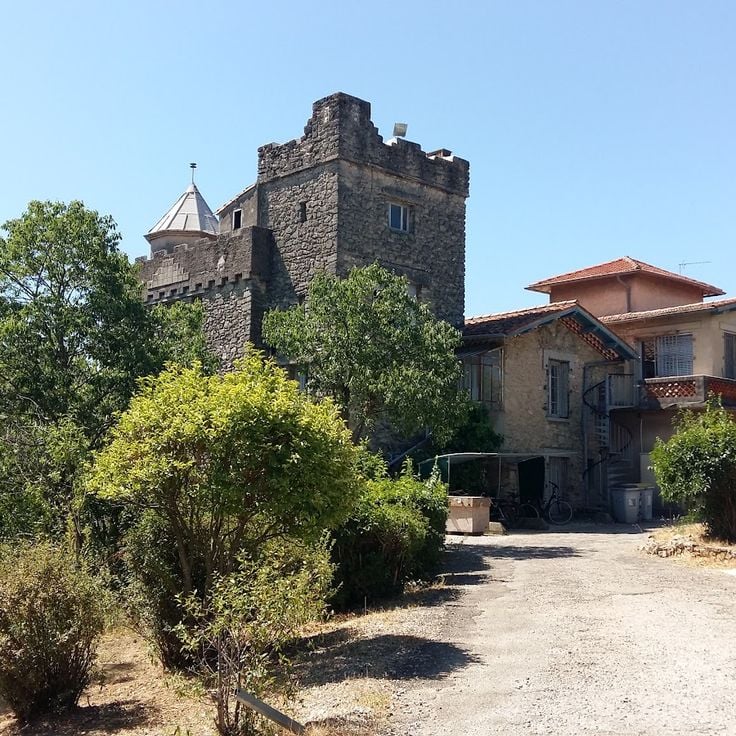
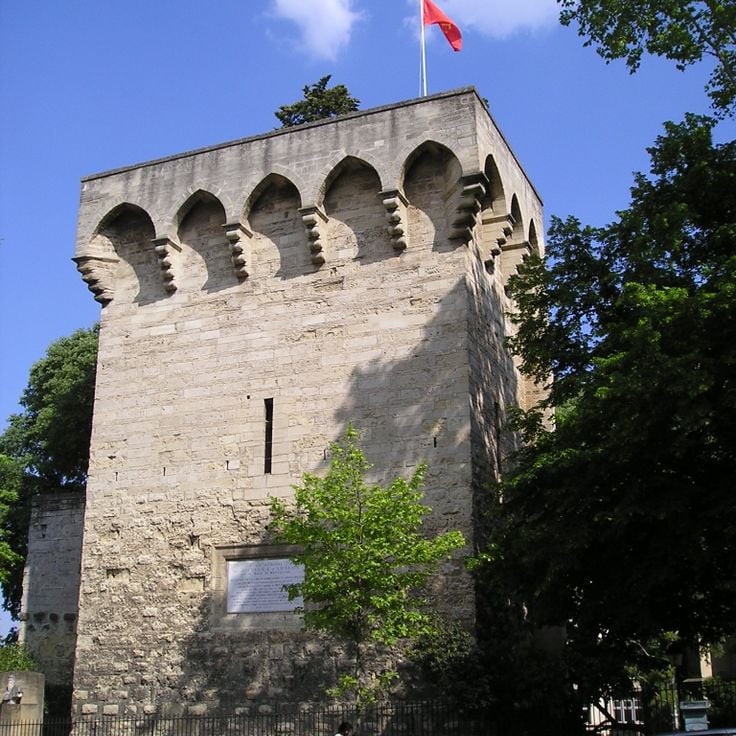
The Pine Tower is a stone fortification from the 12th century, part of the original city wall of Montpellier. This round structure with narrow windows sits near the Peyrou gardens and provides an important subject for photography when exploring the medieval heritage of the city alongside its modern buildings.
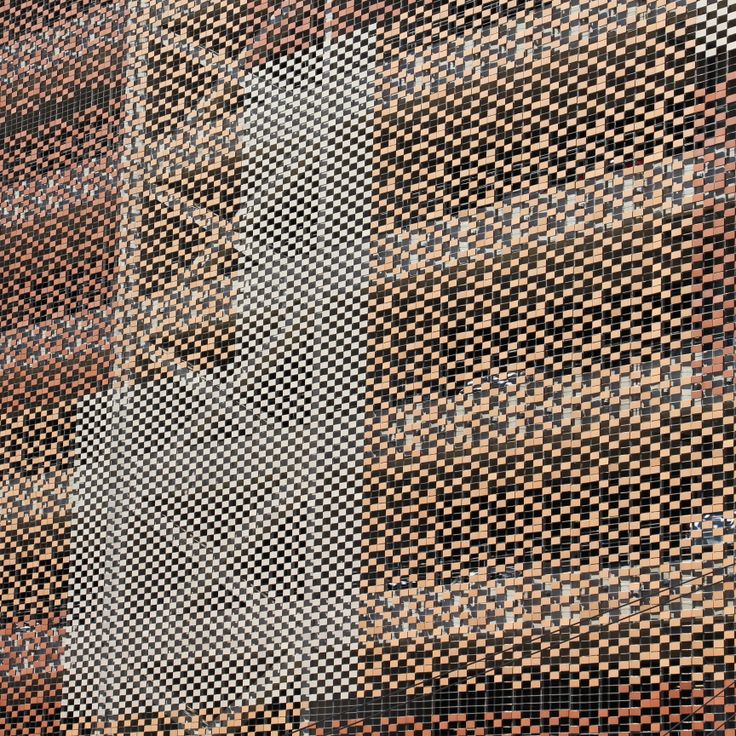
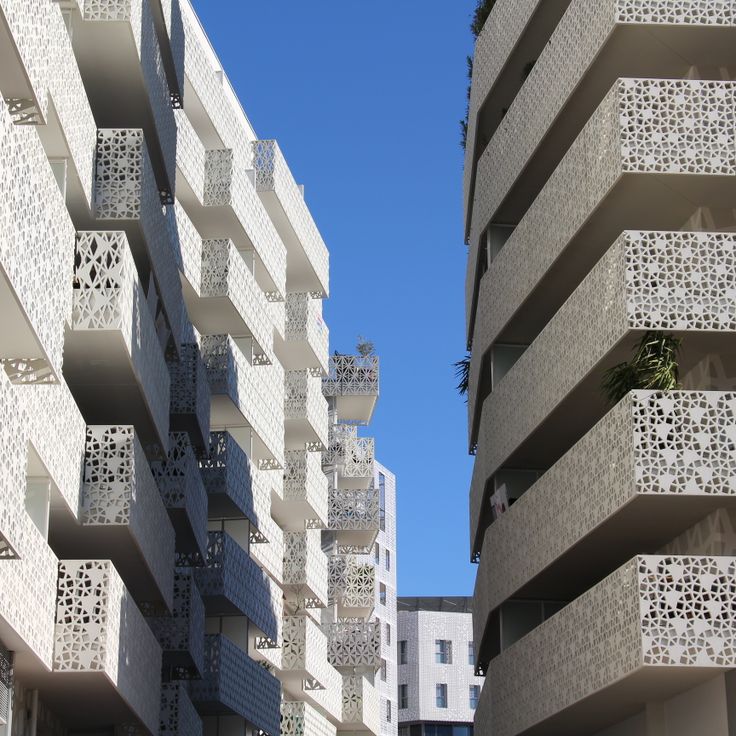
La Mantilla is a modern residential complex in Port Marianne, defined by its white stone facades and perforated metal screens that filter sunlight into interior spaces. The metal screens create an interplay of light and shadow that shifts throughout the day, offering photographers dynamic visual patterns. The complex represents the contemporary architecture that shapes Montpellier, with geometric forms and contrasts between bright surfaces and dark metalwork that catch the eye from different angles.
The Porte de la Blanquerie is a stone gate from the 13th century and part of the medieval fortification system that protected the north entrance to the old city. This historic structure offers photographers in Montpellier an authentic view of the city's medieval past and provides an interesting contrast with modern architecture like the Arbre Blanc building and the neoclassical Antigone district.
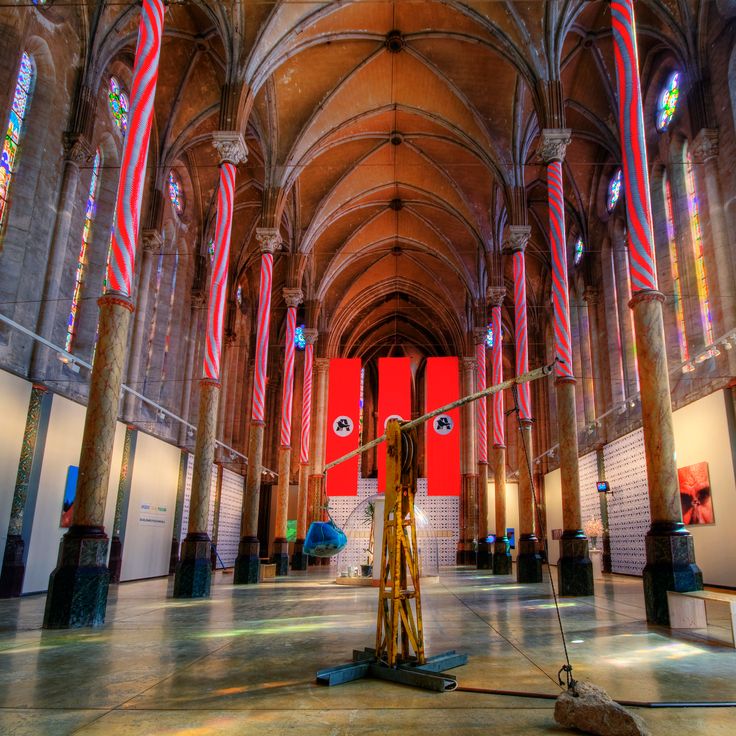
The Carré Sainte-Anne is a neo-gothic church from 1869 that was converted into an art center in 2011. For photographers visiting Montpellier, this building offers compelling architectural features: soaring ceilings, expansive windows, and rotating contemporary exhibitions. The space demonstrates how the city blends its medieval and historic structures with modern artistic practice.
Rue de l'Université is a medieval street in Montpellier's Ecusson district, located near the medical school. Stone buildings and decorated doorways dating from the 14th century line this narrow passage. This street provides excellent photography opportunities to capture the historical character of Montpellier's oldest neighborhoods.
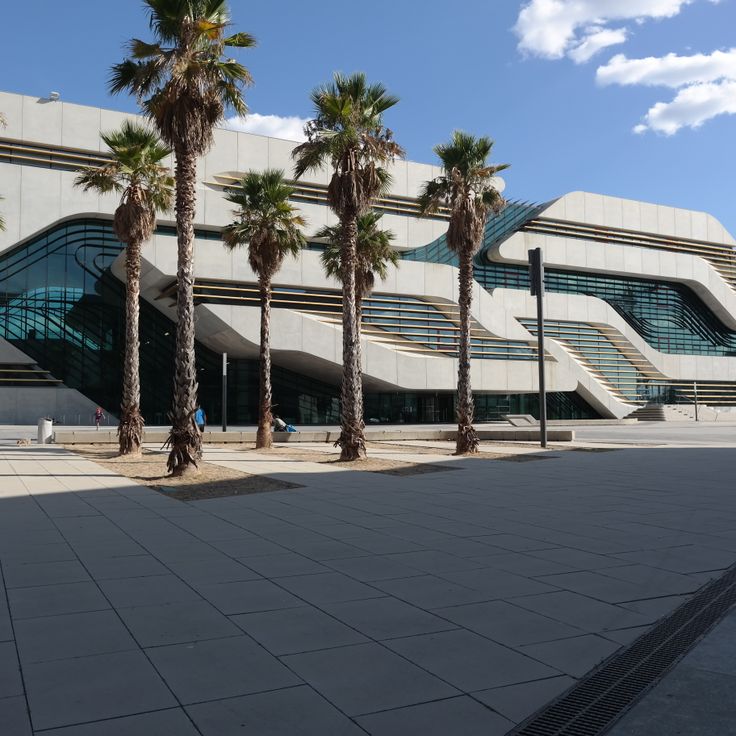
The Pierresvives building is a striking structure of concrete and glass designed by Zaha Hadid in 2012. It houses government archives and sports administration offices and represents modern architecture in the city. For photographers exploring Montpellier's contemporary spaces, this building offers distinctive forms and interesting contrasts with the city's older structures like the Tour des Pins and the Porte du Peyrou arch.
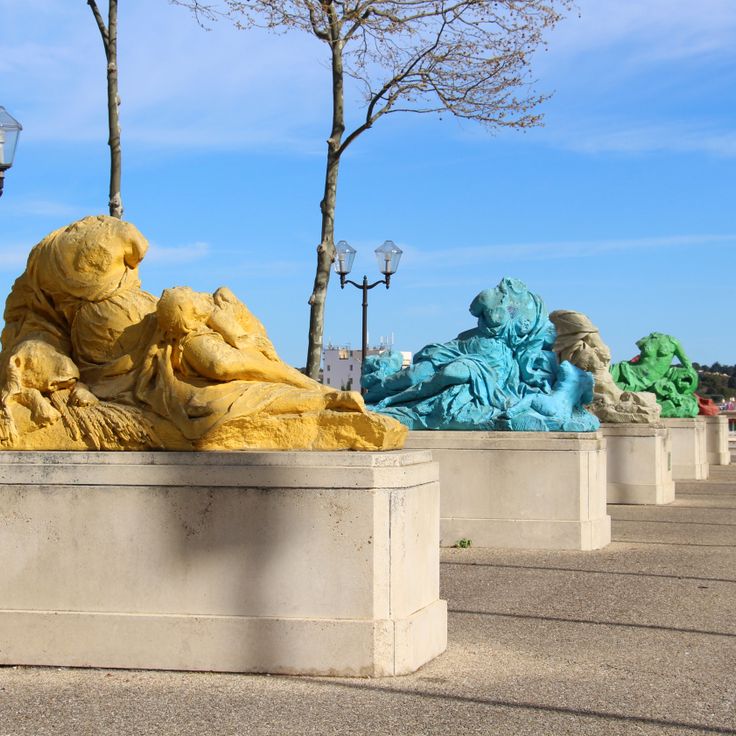
The McCollum Sculptures are modern metal art installations placed in 2017 along the tram tracks in Montpellier. These works display different symbols of Mediterranean culture and offer a photography opportunity for visitors exploring the contemporary art scene of this French city. They fit well into Montpellier's varied landscape, which blends modern and historic structures.
Thessaly Square is a location for photographers exploring Montpellier's modern urban design. Situated near the Antigone district, this square shows how the city blends contemporary architecture with green spaces. Stone benches and Mediterranean plants create a setting that captures how people use this newly built neighborhood in their daily lives.
Saint-Paul Street is a narrow lane in Montpellier's historic center that offers numerous photography subjects. Its stone buildings, murals, and contemporary art installations shape the streetscape. For photographers seeking to capture the mix of history and modern art scene, this street is a central location within Montpellier's varied urban landscape.
The Arbre Blanc is a modern 17-story tower in Montpellier with extended balconies shaped like tree branches, completed in 2019. This building holds apartments, restaurants, and art galleries. For photographers exploring Montpellier's diverse settings, this structure offers a striking example of contemporary design that contrasts with the city's older quarters. The branch-like balconies create dynamic lines and shifting shadows throughout the day, making it a compelling subject from different angles and lighting conditions.
The Porte du Peyrou is a royal arch built in 1693 to honor Louis XIV. This monument marks the entrance to the royal square and serves as an excellent photography spot for capturing Montpellier's classical architecture. The arch connects the city's historic and modern areas, offering photographers opportunities to document the contrast between old and new structures throughout the city's urban landscape.
Rue du Bras de Fer is a medieval street in Montpellier's historic center and offers photographers a genuine setting among the city's diverse urban landscape. Stone buildings and traditional architecture line the street, while multiple art galleries and craft shops occupy the ground floors. This location captures the texture of the old city and how it blends with contemporary uses.
Le Corum serves as the conference center and opera house of this city, built from pink granite. The structure features multiple terraces, stairs, and elevated platforms that offer views across the city. For photography in Montpellier, this building provides a modern example alongside historic sites such as the Porte du Peyrou arch and medieval structures like the Tour des Pins.
The Saint-Clément Aqueduct is a stone waterway structure from the 18th century that spans across multiple levels with arches and passages. This historical construction offers photographers distinctive subjects with its characteristic stone arcades and the interplay of light and shadow created by the multilayered structures.
Charles de Gaulle Plaza is a public space in Montpellier lined with plane trees, benches and fountains positioned between the old town and modern districts. This location offers photographers diverse compositions capturing the transition between historic and contemporary areas. The arrangement of trees and water features creates varied visual possibilities for documenting the city's urban landscape. The plaza serves as a gathering point where the old and new sides of Montpellier meet.
The Laissac Market in Montpellier is a photography location that captures the blend between the city's old and new architecture. This circular building with glass walls houses food vendors and restaurants offering regional products and Mediterranean specialties. As a contemporary space set among historic streets and classical districts, it provides interesting contrasts for photographers documenting Montpellier's modern urban landscape.
The Planchon Garden in Montpellier's university district is a good spot for photography. This garden displays Mediterranean and exotic plant species arranged along stone paths. Benches are scattered throughout, creating natural focal points for images. The location offers varied subjects through its vegetation and quiet surroundings, complementing the mix of modern and historic buildings found across the city.
Port Marianne is a modern district in Montpellier that features glass buildings, wide boulevards, and the RBC Design Center designed by architect Jean Nouvel in 2014. This location offers varied photography opportunities within the city's urban landscape, where contemporary architecture contrasts with the historic surroundings of Montpellier.
The Fontaine des Licornes is a stone fountain built in 1776 on Place de la Canourgue in Montpellier. Two unicorn sculptures decorate this historic fountain, located near Saint Pierre Cathedral. This fountain offers photographers a compelling spot to capture the blend of Montpellier's medieval structures and classical architecture.
La Serre Amazonienne in Montpellier is a large glass greenhouse complex that displays South American plants, reptiles, and amphibians. The facility offers photography opportunities with dense foliage, exotic colors, and the structural design of the greenhouse architecture. Inside, the tropical environment with its humid conditions and controlled warmth creates distinctive visual settings that contrast sharply with the rest of the city's urban landscape.
The Château d'Ô is an 18th-century estate in Montpellier with features that draw photographers seeking to capture historical architecture. The property showcases French gardens, stone terraces, and hosts cultural performances throughout the year. It represents the classical heritage of the city, offering a contrast to Montpellier's modern districts and contemporary buildings like the Arbre Blanc.
This Saint-Roch Parking structure is a concrete and steel building that serves as a photography location within Montpellier's diverse urban landscape. The multi-level garage displays curved lines and geometric patterns throughout its design. Its distinctive circular ramp system creates visual interest and represents the city's modern architectural side, standing alongside historic landmarks like the Porte du Peyrou and medieval structures.
The Cloud is a sports complex in Montpellier that makes for an interesting photography spot. The building features a white translucent exterior that filters natural light, creating visual effects of shadow and illumination. Inside are swimming pools and fitness facilities. This modern structure fits into Montpellier's varied architectural landscape, where contemporary buildings stand alongside historic monuments like the Porte du Peyrou arch and medieval structures such as the Tour des Pins tower.
The Anatomy Museum in Montpellier displays preserved human organs, anatomical models, and medical instruments from the 19th century in wooden display cases. For photographers, this museum offers a distinctive location to capture the history of medical science and document detailed exhibitions set within the city's mix of modern and historic architecture.
The Scottish College in Montpellier is a modernist building designed by Le Corbusier in 1924. For photographers, this structure offers visual interest through its geometric concrete forms used in student housing and study spaces. The building exemplifies the blend of historical and contemporary architecture that makes Montpellier a rich location for photography, alongside medieval structures and modern districts.
Canourgue Square in Montpellier is an eighteenth century photography location that fits well among the city's diverse photography settings. The square is lined with stone mansions and features geometric gardens with a central fountain. Mature trees and stone benches provide shade and create varied perspectives for photography throughout the space.
The Mercy Chapel in Montpellier is a religious building with a compelling history. Inside, it contains an old pharmacy with original wooden cabinets, glass containers, and medical instruments from the 19th century. For photographers, this location offers a rare glimpse into how religious spaces once served practical community needs. The chapel demonstrates the layered history of Montpellier, where old and new sit side by side. It fits naturally into the city's photographic story, alongside medieval structures and modern architecture.
The Antigone District in Montpellier serves as an excellent location for photographers documenting modern urban architecture throughout the city. This residential area was built in 1979 and blends modern apartments with classical architectural elements. Wide boulevards, public squares, and the Lez River nearby offer varied photography opportunities for capturing contemporary city design.
Plan Cabanes Square is a local market square in Montpellier where vendors sell fresh produce and everyday goods throughout the week. The walls of surrounding buildings display colorful street art that adds character to the space. Located in a multicultural neighborhood, this square offers photographers diverse subjects that capture the rhythm of daily life, local commerce, and urban creativity.
Montpellier City Hall is an administrative building completed in 2011 and offers compelling photography opportunities within the city's urban landscape. Its blue glass panels and metal framework exemplify the modern architecture that defines Montpellier, contrasting with historic landmarks such as the Porte du Peyrou arch. The public square in front of the building and contemporary art installations positioned there create diverse photographic settings for capturing the blend of old and new that characterizes the city.
Valfère Street in Montpellier is a photography location that reveals elements from different periods of the city. The medieval stone paving and residential buildings with ornate doors reflect the traditional Mediterranean architectural elements found throughout Montpellier. This street offers contrast to modern structures like the Arbre Blanc building and demonstrates the mix of old and new architecture that characterizes the city.
The Pine Tower is a stone fortification from the 12th century, part of the original city wall of Montpellier. This round structure with narrow windows sits near the Peyrou gardens and provides an important subject for photography when exploring the medieval heritage of the city alongside its modern buildings.
La Mantilla is a modern residential complex in Port Marianne, defined by its white stone facades and perforated metal screens that filter sunlight into interior spaces. The metal screens create an interplay of light and shadow that shifts throughout the day, offering photographers dynamic visual patterns. The complex represents the contemporary architecture that shapes Montpellier, with geometric forms and contrasts between bright surfaces and dark metalwork that catch the eye from different angles.
The Porte de la Blanquerie is a stone gate from the 13th century and part of the medieval fortification system that protected the north entrance to the old city. This historic structure offers photographers in Montpellier an authentic view of the city's medieval past and provides an interesting contrast with modern architecture like the Arbre Blanc building and the neoclassical Antigone district.
The Carré Sainte-Anne is a neo-gothic church from 1869 that was converted into an art center in 2011. For photographers visiting Montpellier, this building offers compelling architectural features: soaring ceilings, expansive windows, and rotating contemporary exhibitions. The space demonstrates how the city blends its medieval and historic structures with modern artistic practice.
Rue de l'Université is a medieval street in Montpellier's Ecusson district, located near the medical school. Stone buildings and decorated doorways dating from the 14th century line this narrow passage. This street provides excellent photography opportunities to capture the historical character of Montpellier's oldest neighborhoods.
The Pierresvives building is a striking structure of concrete and glass designed by Zaha Hadid in 2012. It houses government archives and sports administration offices and represents modern architecture in the city. For photographers exploring Montpellier's contemporary spaces, this building offers distinctive forms and interesting contrasts with the city's older structures like the Tour des Pins and the Porte du Peyrou arch.
The McCollum Sculptures are modern metal art installations placed in 2017 along the tram tracks in Montpellier. These works display different symbols of Mediterranean culture and offer a photography opportunity for visitors exploring the contemporary art scene of this French city. They fit well into Montpellier's varied landscape, which blends modern and historic structures.
Thessaly Square is a location for photographers exploring Montpellier's modern urban design. Situated near the Antigone district, this square shows how the city blends contemporary architecture with green spaces. Stone benches and Mediterranean plants create a setting that captures how people use this newly built neighborhood in their daily lives.
Saint-Paul Street is a narrow lane in Montpellier's historic center that offers numerous photography subjects. Its stone buildings, murals, and contemporary art installations shape the streetscape. For photographers seeking to capture the mix of history and modern art scene, this street is a central location within Montpellier's varied urban landscape.
The Arbre Blanc is a modern 17-story tower in Montpellier with extended balconies shaped like tree branches, completed in 2019. This building holds apartments, restaurants, and art galleries. For photographers exploring Montpellier's diverse settings, this structure offers a striking example of contemporary design that contrasts with the city's older quarters. The branch-like balconies create dynamic lines and shifting shadows throughout the day, making it a compelling subject from different angles and lighting conditions.
The Porte du Peyrou is a royal arch built in 1693 to honor Louis XIV. This monument marks the entrance to the royal square and serves as an excellent photography spot for capturing Montpellier's classical architecture. The arch connects the city's historic and modern areas, offering photographers opportunities to document the contrast between old and new structures throughout the city's urban landscape.
Rue du Bras de Fer is a medieval street in Montpellier's historic center and offers photographers a genuine setting among the city's diverse urban landscape. Stone buildings and traditional architecture line the street, while multiple art galleries and craft shops occupy the ground floors. This location captures the texture of the old city and how it blends with contemporary uses.
Le Corum serves as the conference center and opera house of this city, built from pink granite. The structure features multiple terraces, stairs, and elevated platforms that offer views across the city. For photography in Montpellier, this building provides a modern example alongside historic sites such as the Porte du Peyrou arch and medieval structures like the Tour des Pins.
The Saint-Clément Aqueduct is a stone waterway structure from the 18th century that spans across multiple levels with arches and passages. This historical construction offers photographers distinctive subjects with its characteristic stone arcades and the interplay of light and shadow created by the multilayered structures.
Charles de Gaulle Plaza is a public space in Montpellier lined with plane trees, benches and fountains positioned between the old town and modern districts. This location offers photographers diverse compositions capturing the transition between historic and contemporary areas. The arrangement of trees and water features creates varied visual possibilities for documenting the city's urban landscape. The plaza serves as a gathering point where the old and new sides of Montpellier meet.
The Laissac Market in Montpellier is a photography location that captures the blend between the city's old and new architecture. This circular building with glass walls houses food vendors and restaurants offering regional products and Mediterranean specialties. As a contemporary space set among historic streets and classical districts, it provides interesting contrasts for photographers documenting Montpellier's modern urban landscape.
The Planchon Garden in Montpellier's university district is a good spot for photography. This garden displays Mediterranean and exotic plant species arranged along stone paths. Benches are scattered throughout, creating natural focal points for images. The location offers varied subjects through its vegetation and quiet surroundings, complementing the mix of modern and historic buildings found across the city.
Port Marianne is a modern district in Montpellier that features glass buildings, wide boulevards, and the RBC Design Center designed by architect Jean Nouvel in 2014. This location offers varied photography opportunities within the city's urban landscape, where contemporary architecture contrasts with the historic surroundings of Montpellier.
The Fontaine des Licornes is a stone fountain built in 1776 on Place de la Canourgue in Montpellier. Two unicorn sculptures decorate this historic fountain, located near Saint Pierre Cathedral. This fountain offers photographers a compelling spot to capture the blend of Montpellier's medieval structures and classical architecture.
La Serre Amazonienne in Montpellier is a large glass greenhouse complex that displays South American plants, reptiles, and amphibians. The facility offers photography opportunities with dense foliage, exotic colors, and the structural design of the greenhouse architecture. Inside, the tropical environment with its humid conditions and controlled warmth creates distinctive visual settings that contrast sharply with the rest of the city's urban landscape.
The Château d'Ô is an 18th-century estate in Montpellier with features that draw photographers seeking to capture historical architecture. The property showcases French gardens, stone terraces, and hosts cultural performances throughout the year. It represents the classical heritage of the city, offering a contrast to Montpellier's modern districts and contemporary buildings like the Arbre Blanc.
This Saint-Roch Parking structure is a concrete and steel building that serves as a photography location within Montpellier's diverse urban landscape. The multi-level garage displays curved lines and geometric patterns throughout its design. Its distinctive circular ramp system creates visual interest and represents the city's modern architectural side, standing alongside historic landmarks like the Porte du Peyrou and medieval structures.
The Cloud is a sports complex in Montpellier that makes for an interesting photography spot. The building features a white translucent exterior that filters natural light, creating visual effects of shadow and illumination. Inside are swimming pools and fitness facilities. This modern structure fits into Montpellier's varied architectural landscape, where contemporary buildings stand alongside historic monuments like the Porte du Peyrou arch and medieval structures such as the Tour des Pins tower.
The Anatomy Museum in Montpellier displays preserved human organs, anatomical models, and medical instruments from the 19th century in wooden display cases. For photographers, this museum offers a distinctive location to capture the history of medical science and document detailed exhibitions set within the city's mix of modern and historic architecture.
The Scottish College in Montpellier is a modernist building designed by Le Corbusier in 1924. For photographers, this structure offers visual interest through its geometric concrete forms used in student housing and study spaces. The building exemplifies the blend of historical and contemporary architecture that makes Montpellier a rich location for photography, alongside medieval structures and modern districts.
Canourgue Square in Montpellier is an eighteenth century photography location that fits well among the city's diverse photography settings. The square is lined with stone mansions and features geometric gardens with a central fountain. Mature trees and stone benches provide shade and create varied perspectives for photography throughout the space.
The Mercy Chapel in Montpellier is a religious building with a compelling history. Inside, it contains an old pharmacy with original wooden cabinets, glass containers, and medical instruments from the 19th century. For photographers, this location offers a rare glimpse into how religious spaces once served practical community needs. The chapel demonstrates the layered history of Montpellier, where old and new sit side by side. It fits naturally into the city's photographic story, alongside medieval structures and modern architecture.
The Antigone District in Montpellier serves as an excellent location for photographers documenting modern urban architecture throughout the city. This residential area was built in 1979 and blends modern apartments with classical architectural elements. Wide boulevards, public squares, and the Lez River nearby offer varied photography opportunities for capturing contemporary city design.
Plan Cabanes Square is a local market square in Montpellier where vendors sell fresh produce and everyday goods throughout the week. The walls of surrounding buildings display colorful street art that adds character to the space. Located in a multicultural neighborhood, this square offers photographers diverse subjects that capture the rhythm of daily life, local commerce, and urban creativity.
Montpellier City Hall is an administrative building completed in 2011 and offers compelling photography opportunities within the city's urban landscape. Its blue glass panels and metal framework exemplify the modern architecture that defines Montpellier, contrasting with historic landmarks such as the Porte du Peyrou arch. The public square in front of the building and contemporary art installations positioned there create diverse photographic settings for capturing the blend of old and new that characterizes the city.
Valfère Street in Montpellier is a photography location that reveals elements from different periods of the city. The medieval stone paving and residential buildings with ornate doors reflect the traditional Mediterranean architectural elements found throughout Montpellier. This street offers contrast to modern structures like the Arbre Blanc building and demonstrates the mix of old and new architecture that characterizes the city.
The Pine Tower is a stone fortification from the 12th century, part of the original city wall of Montpellier. This round structure with narrow windows sits near the Peyrou gardens and provides an important subject for photography when exploring the medieval heritage of the city alongside its modern buildings.
La Mantilla is a modern residential complex in Port Marianne, defined by its white stone facades and perforated metal screens that filter sunlight into interior spaces. The metal screens create an interplay of light and shadow that shifts throughout the day, offering photographers dynamic visual patterns. The complex represents the contemporary architecture that shapes Montpellier, with geometric forms and contrasts between bright surfaces and dark metalwork that catch the eye from different angles.
The Porte de la Blanquerie is a stone gate from the 13th century and part of the medieval fortification system that protected the north entrance to the old city. This historic structure offers photographers in Montpellier an authentic view of the city's medieval past and provides an interesting contrast with modern architecture like the Arbre Blanc building and the neoclassical Antigone district.
The Carré Sainte-Anne is a neo-gothic church from 1869 that was converted into an art center in 2011. For photographers visiting Montpellier, this building offers compelling architectural features: soaring ceilings, expansive windows, and rotating contemporary exhibitions. The space demonstrates how the city blends its medieval and historic structures with modern artistic practice.
Rue de l'Université is a medieval street in Montpellier's Ecusson district, located near the medical school. Stone buildings and decorated doorways dating from the 14th century line this narrow passage. This street provides excellent photography opportunities to capture the historical character of Montpellier's oldest neighborhoods.
The Pierresvives building is a striking structure of concrete and glass designed by Zaha Hadid in 2012. It houses government archives and sports administration offices and represents modern architecture in the city. For photographers exploring Montpellier's contemporary spaces, this building offers distinctive forms and interesting contrasts with the city's older structures like the Tour des Pins and the Porte du Peyrou arch.
The McCollum Sculptures are modern metal art installations placed in 2017 along the tram tracks in Montpellier. These works display different symbols of Mediterranean culture and offer a photography opportunity for visitors exploring the contemporary art scene of this French city. They fit well into Montpellier's varied landscape, which blends modern and historic structures.
Thessaly Square is a location for photographers exploring Montpellier's modern urban design. Situated near the Antigone district, this square shows how the city blends contemporary architecture with green spaces. Stone benches and Mediterranean plants create a setting that captures how people use this newly built neighborhood in their daily lives.
Saint-Paul Street is a narrow lane in Montpellier's historic center that offers numerous photography subjects. Its stone buildings, murals, and contemporary art installations shape the streetscape. For photographers seeking to capture the mix of history and modern art scene, this street is a central location within Montpellier's varied urban landscape.