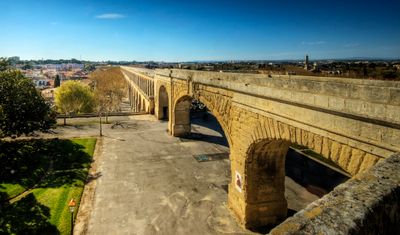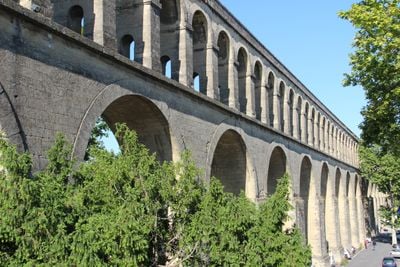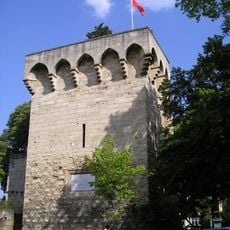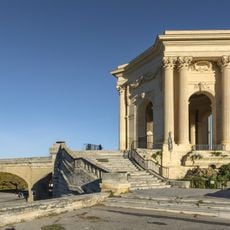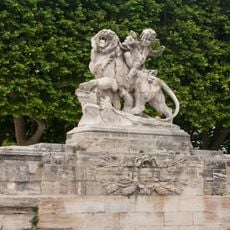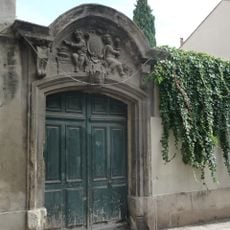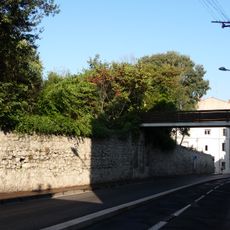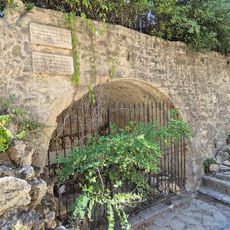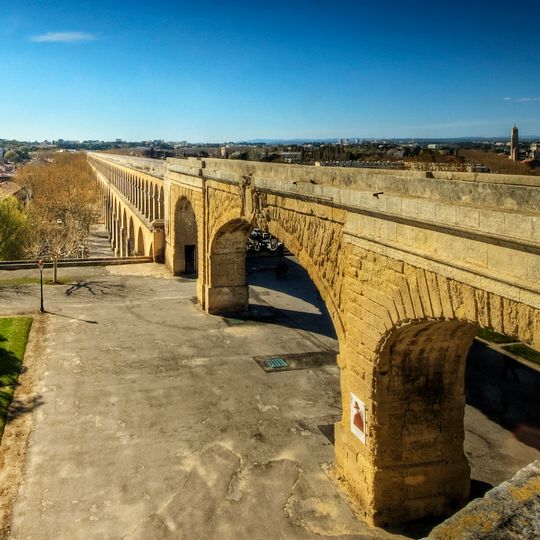
Aqueduc Saint-Clément, 18th-century aqueduct in Montpellier, France.
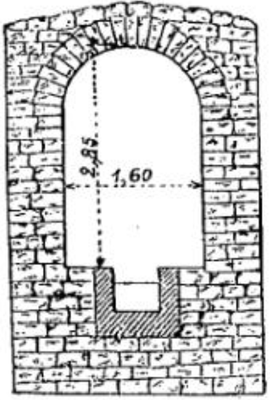
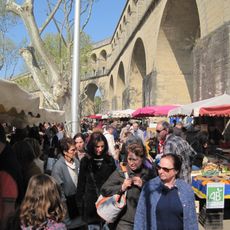
The Aqueduc Saint-Clément is a stone water channel that carries water from outside the city over a long distance. The structure is built from many stacked arches that support the water as it travels across valleys and terrain.
The structure was built in the mid-1700s to bring fresh water from distant springs to the growing city. Its construction showed advanced knowledge about moving water over long distances and reflected the needs of the time.
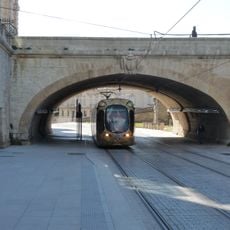
The structure has become part of how locals view their city, connecting different neighborhoods through its stone arches. People see it as a symbol of engineering achievement that shaped the way Montpellier developed over centuries.
The best place to see it is in the city itself, where the arches are clearly visible from different angles. The area is easy to walk through, and several viewpoints let you observe the structure from various spots.
The double-stacked arch design was a smart solution to prevent cracks and water leaks through the stone. This arrangement shows how engineers of that era solved practical problems with careful building choices.
The community of curious travelers
AroundUs brings together thousands of curated places, local tips, and hidden gems, enriched daily by 91,141 contributors worldwide.