Réseau de la Woëvre, réseau de chemin de fer dans la Meuse (1914-1938)
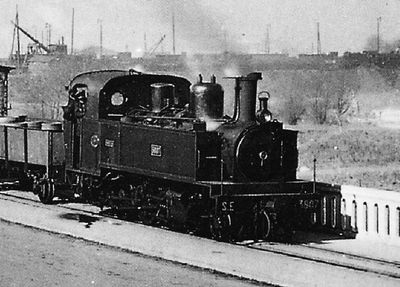
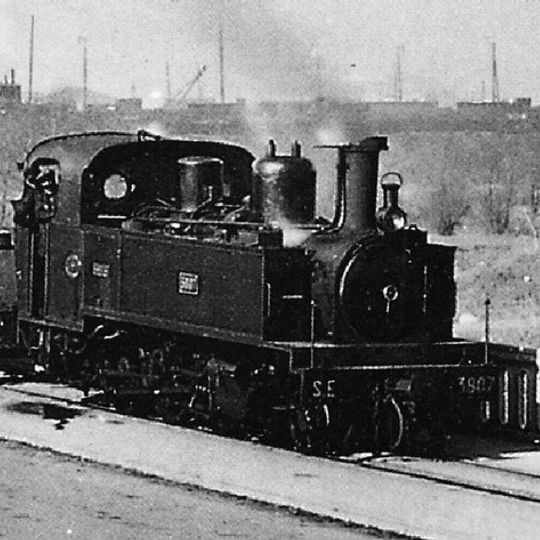
The Réseau de la Woëvre was a narrow-gauge railway network (meter gauge) built in the early 20th century through the Meuse department, spanning about 149 kilometers. It consisted of two main lines: one from Verdun to Montmédy and another from Vaux-devant-Damloup to Commercy, each with independent tracks that wound through fields and small towns.
The network opened in 1914, shortly after World War I began, and operated until 1938. During the war it served military supply purposes, with the front line splitting the system in two places and Germans controlling the northern section, which was renamed Montmédy-Süd during occupation.
The network shaped the identity of small villages and towns in the region, where Montmédy station became a center of community life. Local people relied on trains to move goods and connect places, and these memories still echo in residents' stories today.
You can walk or cycle along the old route sections today, as many have been converted into walking and cycling trails. Remnants of stations and bridges remain visible along the route, particularly at Montmédy, where the former station has been converted into a community space.
Montmédy station was renamed Montmédy-Sud during German occupation, a rare reminder of the occupation's impact on local infrastructure. Today the old station building has been transformed into a community hall where markets and festivals take place, allowing visitors to still see remnants of tracks alongside.
The community of curious travelers
AroundUs brings together thousands of curated places, local tips, and hidden gems, enriched daily by 91,658 contributors worldwide.