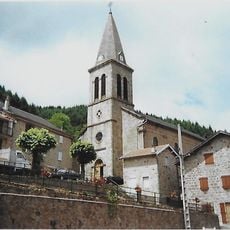
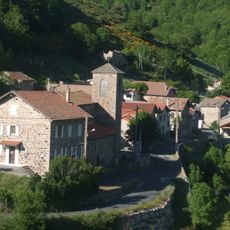
Chartreuse de Bonnefoy, Carthusian monastery ruins in Le Béage, France
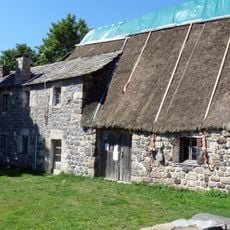
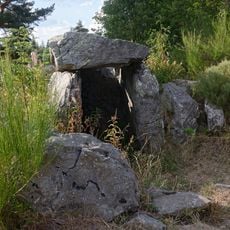
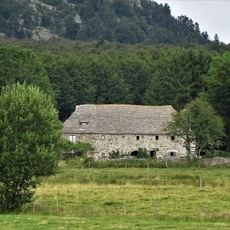
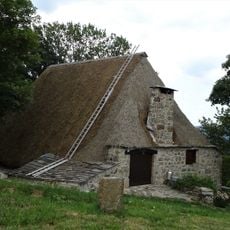
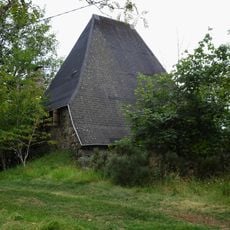
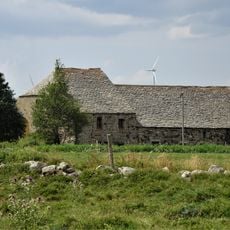
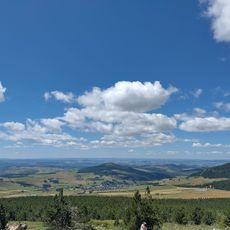
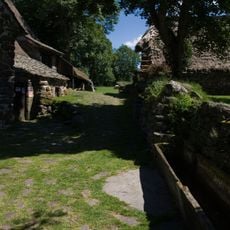
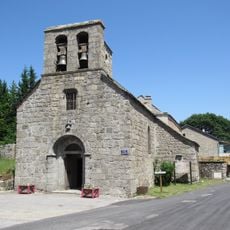
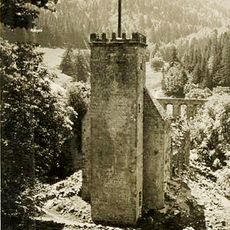
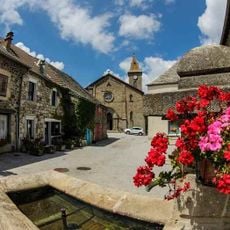
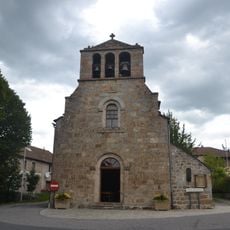
Chartreuse de Bonnefoy is a Carthusian monastery ruin in Le Béage where stone walls and foundations reveal the original layout and architecture of the complex. The ruins lie in a natural setting with meadows and trees that surround the deteriorated structures.
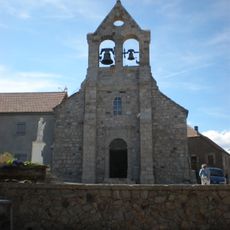
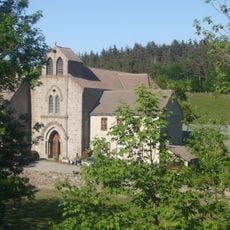
Guillaume de Fay, lord of Mézenc, granted land to the Carthusian order in 1156, and the buildings were completed in 1179, when Pope Alexander III confirmed the foundation. The monastery suffered destruction in the Hundred Years' War and the Wars of Religion, then a fire in the 18th century, and the monks withdrew to Brives-Charensac. Sold as national property, it was dismantled from 1840; the prior's house, the entrance door and the bell tower survive.
The name Bonnefoy refers to the monastery's dedication to Notre-Dame de Bonnefoy. The monks' diet depended on salt: in 1184 Bertrand d'Anduze granted ten saumées of salt yearly from Sommières, essential for preserving meat. The cartulary, lost in 1790 and rediscovered in the presbytery of Cantenay-Épinard, records 197 acts and was published by Jean-Loup Lemaître in 1990.
The ruins are located along D377 - Route des Estables and remain accessible year-round with no entrance fees to pay. Visitors can explore the grounds freely and are welcome to bring pets along.
Each monastic cell was built like a small individual house with a private garden, allowing monks to live in complete isolation. This layout let them maintain solitude while still remaining part of a larger community.
The community of curious travelers
AroundUs brings together thousands of curated places, local tips, and hidden gems, enriched daily by 94,391 contributors worldwide.