Théâtre gallo-romain de Brion, Roman theatre in Saint-Germain-d'Esteuil, France
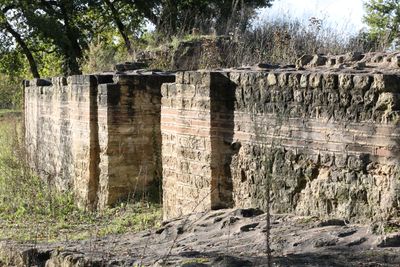
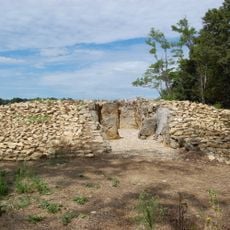
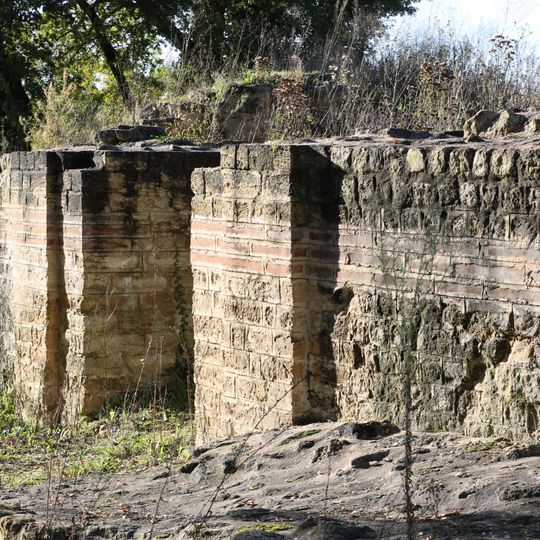
The Théâtre gallo-romain de Brion is a 1st-century Gallo-Roman theatre built on flat ground, with a cavea 57 m in diameter formed by four concentric rings linked by radial vaulted compartments that supported perhaps sixteen tiers of seating. Its walls are regular limestone small-block masonry with alternating brick courses (opus mixtum). The semicircular orchestra, 23.40 m across, has a floor of simply levelled limestone.
This theatre was built during the early Roman period and remained in use until the 3rd century when it fell into abandonment. Subsequent medieval communities later extracted stones from the ruins for use in their own buildings and structures.
The name Brion survives from the ancient settlement, and the theatre is the only one known in the Aquitaine basin south of the Garonne. Its orchestra is a levelled patch of natural limestone, and three or four rows of seats at its edge were reserved for local notables.
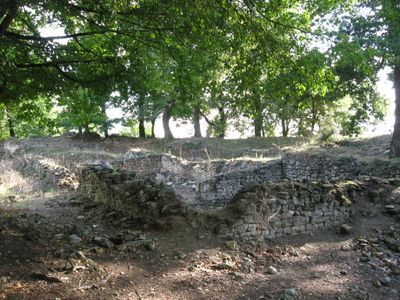
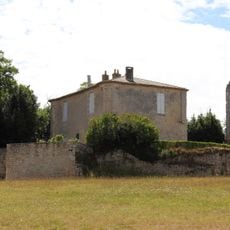
The theatre occupies the south-western part of the Brion plateau, reached from the hamlet of Brion in Saint-Germain-d'Esteuil; the surrounding ground is uneven and partly wooded. Sturdy shoes are advisable, as the soil can be muddy after rain. The remains are those of a small theatre, so allow time to read the on-site markers.
This is the only known Gallo-Roman theatre in the Aquitaine basin south of the Garonne River, making it a rare archaeological find in the region. Its presence reveals how Roman entertainment culture reached even remote frontier areas during antiquity.
The community of curious travelers
AroundUs brings together thousands of curated places, local tips, and hidden gems, enriched daily by 94,244 contributors worldwide.