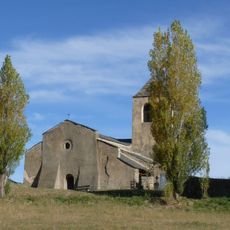
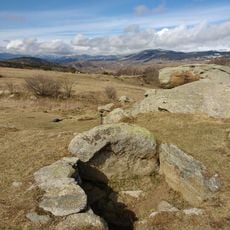
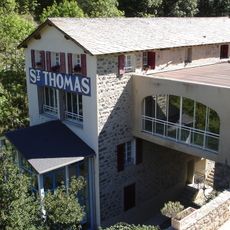
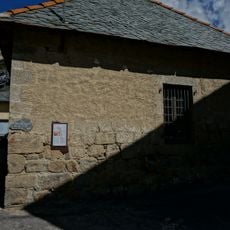
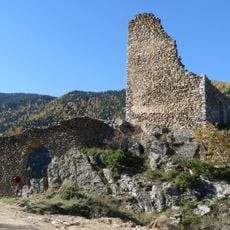
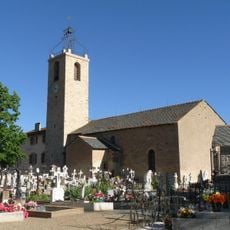
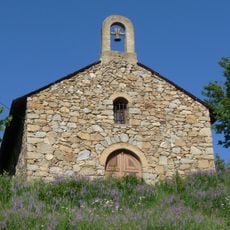
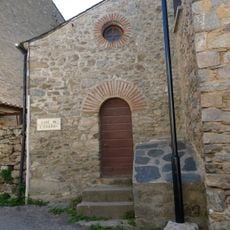
City walls of Mont-Louis, Military rampart in Mont-Louis, France
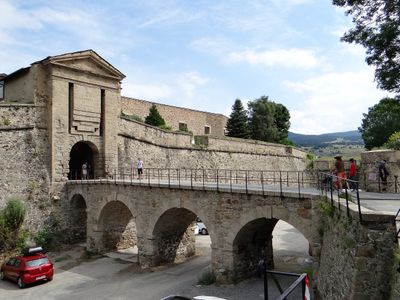
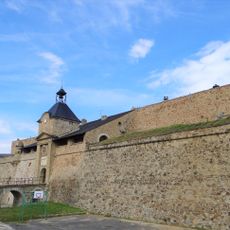
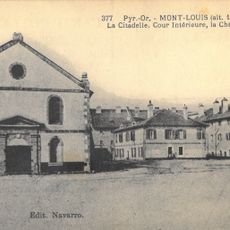
The City walls of Mont-Louis are a 17th-century fortified structure built at 1,600 meters elevation in the French Pyrenees, featuring watchtowers and reinforced gateways at regular intervals. The layout follows geometric defensive principles with angular bastions and continuous ramparts designed to control passage through mountain terrain.
Military engineer Sebastien Le Prestre de Vauban designed and supervised construction from 1679 to 1681 to protect the French frontier in this strategic mountain location. The project was part of a larger border defense strategy implemented across the Pyrenees region during that period.
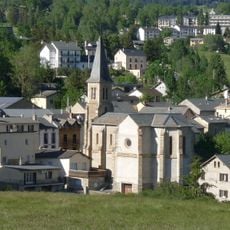
Mont-Louis was planned as a single project: a citadel, an upper town for craftsmen and merchants, and a lower town for stables and stores, the last two never built. The 1727 urban regulation imposed a uniform style on facades, and the church of Saint-Louis rose between 1733 and 1737. The town was renamed Mont-Libre in January 1793.
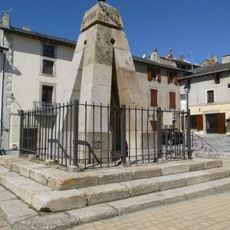
Access to the walled town is through the Porte de France on the south side, where a ramped bridge crosses the dry moat; half-moon outworks and bastions with orillons flank the crossing. The north-east side drops steeply toward the Têt, so no ditch was dug there. The site sits at about 1,600 m in the Pyrenees, and the town well once supplied its water.
Mont-Louis was never besieged. The only threat came in 1793, during the war with Spain: Spanish troops under brigadier general Joseph Simon Crespo camped on the heights above the town, renamed Mont-Libre that January, and were dislodged by General Dagobert's forces on 4 September above Canaveilles.
The community of curious travelers
AroundUs brings together thousands of curated places, local tips, and hidden gems, enriched daily by 92,808 contributors worldwide.