Catalan Pyrenees Regional Natural Park, Regional natural park in Pyrénées-Orientales, France
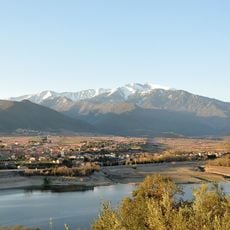
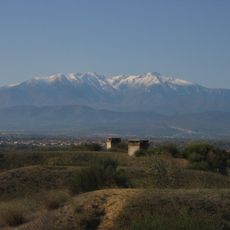
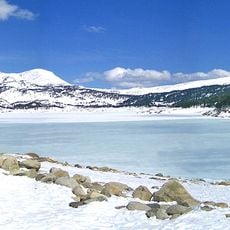
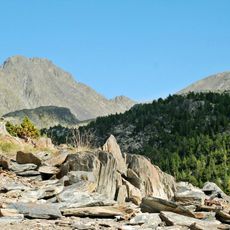
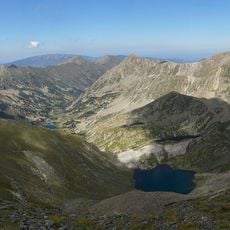
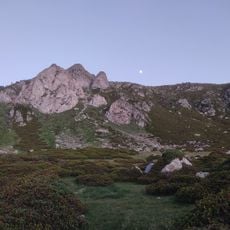
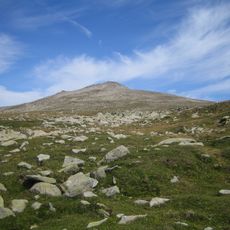
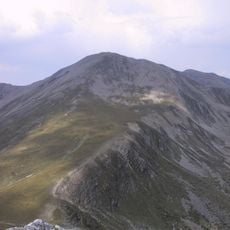
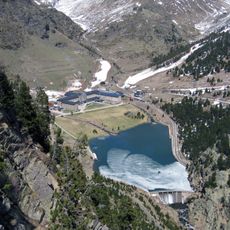
Catalan Pyrenees Regional Natural Park is a protected area covering 137,100 hectares and encompassing 64 towns and villages. The landscape ranges from valleys at 300 meters to peaks at 3,000 meters, featuring rivers, forests, and alpine meadows.
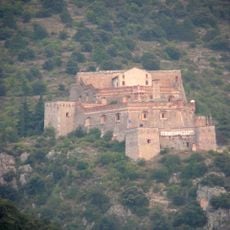
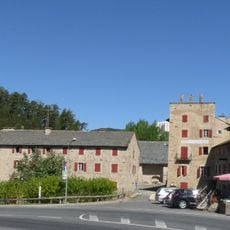
The park was established on March 5, 2004, as a protected regional area after decades of planning. It encompasses Mont Louis and Villefranche-de-Conflent, fortified towns that date back to the medieval period when mountain control was crucial.
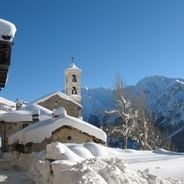
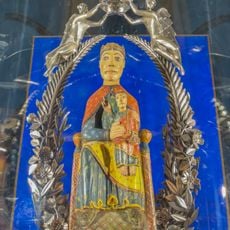
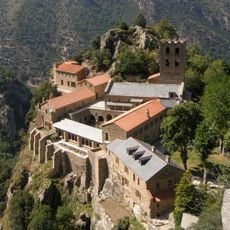
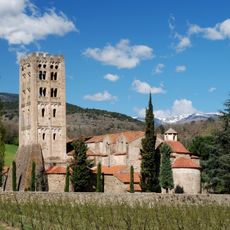
The territory reflects strong Catalan traditions through its numerous Romanesque and Baroque churches that shape the regional identity. These buildings show how faith and local heritage have shaped community life over centuries.
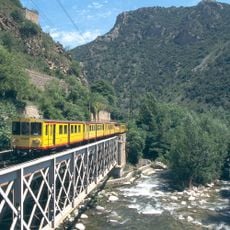
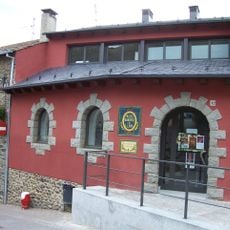
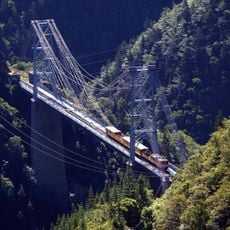
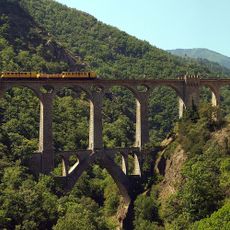
The park's information point, the maison du parc, has been at La Bastide in Olette since July 2015 and is open to the public Monday to Friday. The Yellow Train, running since 1910 between Villefranche-de-Conflent and Latour-de-Carol, crosses the territory and follows the Têt for about 30 km up to Mont-Louis. Trails climb from 300 to 3,000 metres, so bring sturdy footwear.
The park's flora survey at its creation recorded 49 rare or endemic plant species, 20 of them endemic to the eastern Pyrenees, out of roughly 250 endemic species and subspecies in the area. The Pyrenean desman, a semi-aquatic mammal, lives in the park's streams.
The community of curious travelers
AroundUs brings together thousands of curated places, local tips, and hidden gems, enriched daily by 93,443 contributors worldwide.