Barrage de Nitray, dam in France
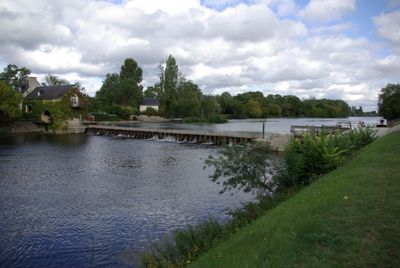
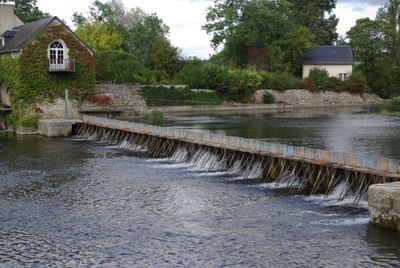
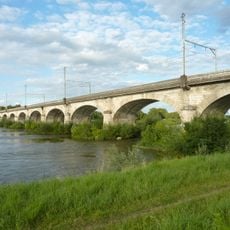
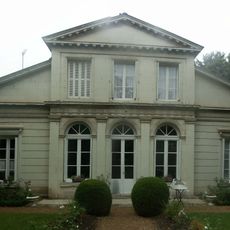
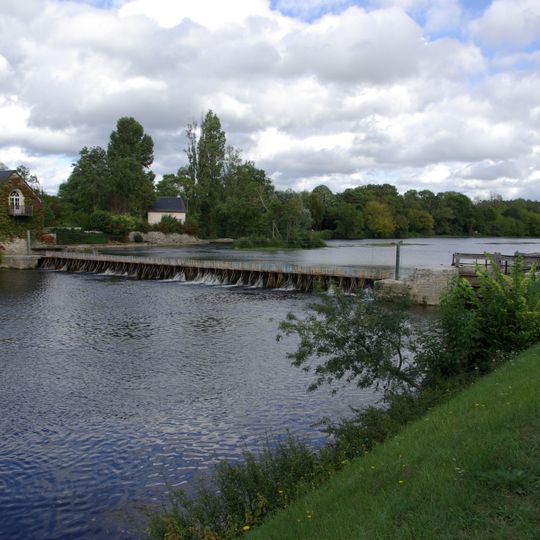
Barrage de Nitray is a 19th-century dam that stretches across the Cher river between Athée-sur-Cher and Saint-Martin-le-Beau. The structure has a concrete base supporting wooden needles that can be raised or lowered to adjust the water level, along with a masonry lock chamber for boat passage and a lock keeper's house built in stone.
Built between 1836 and 1841 to improve navigation on the Cher river as part of the Berry Canal project linking Montluçon and Tours, the dam saw heavy boat traffic in the 1800s. The rise of railways in the late 1800s caused commercial shipping to decline sharply, and it nearly stopped by 1957.
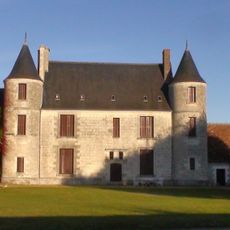
The name Nitray comes from the nearby Nitray castle. Locals see this site as a symbol of how the community once depended on river management for work and survival. The old mill and lock keeper's house standing together tell the story of people who lived by the water's rhythm.
The site is accessible on foot with easy walking paths along the river near the structures. The area is flat and quiet, making it a comfortable spot for a leisurely visit and observation of the old mechanisms from nearby.
The dam uses a clever system of wooden needles invented by engineer Poirée in 1833 that allowed operators to adjust water levels without machines by adding or removing them one at a time. Though no longer used for boats, this hands-on method shows how people once engineered solutions with simple materials and manual skill.
The community of curious travelers
AroundUs brings together thousands of curated places, local tips, and hidden gems, enriched daily by 90,941 contributors worldwide.