Grottes du Volp, Prehistoric cave network in Montesquieu-Avantès, France.
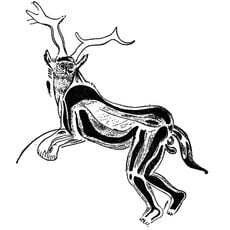
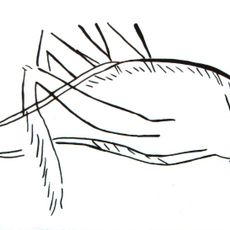
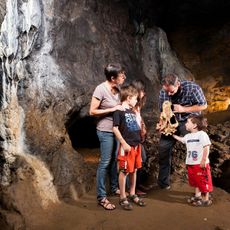
The Grottes du Volp is a cave system in the Pyrenees made up of three connected chambers: Enlène, Trois-Frères, and Tuc d'Audoubert. The walls contain thousands of engravings, paintings, and animal sculptures from the prehistoric era.
The system was discovered in 1911 by Count Henri Bégouën and his sons and holds evidence of human settlement from the Magdalenian period. The artwork shows how hunting societies developed their culture over many thousands of years.
The Volp name comes from the river running through the region. These caves served as a place where hunting communities expressed their beliefs and experiences through images on the rock surfaces.
The cave system is not open to visitors because it is strictly protected to preserve the prehistoric artwork inside. Only researchers with specialized permits are allowed to enter and study the caves.
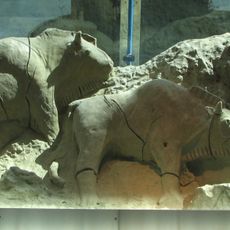
The caves hold hand-molded clay bison figures that remain in their original form. One notable engraving shows one of the oldest known depictions of human intimacy from this distant period.
The community of curious travelers
AroundUs brings together thousands of curated places, local tips, and hidden gems, enriched daily by 92,145 contributors worldwide.