La Roche-Cotard Cave, Prehistoric cave in Langeais, France.
La Roche-Cotard is a natural cave set into a limestone cliff near Langeais, extending approximately 60 meters with multiple corridors and a secondary entrance on the western side. The site consists of four connected chambers, each revealing different archaeological layers.
The site was first systematically excavated in 1912, uncovering four connected chambers filled with animal bones and stone tools from the Mousterian period. These remains date to the era when Neanderthals inhabited the region, well before modern humans arrived.
The cave served as a place where Neanderthals created art and expressed themselves through engraving. These works show they had creative abilities beyond basic survival.
The site is well laid out for visitors to explore the various chambers and archaeological layers. It is advisable to wear sturdy footwear since the ground is uneven in places and some areas of the cave remain damp.
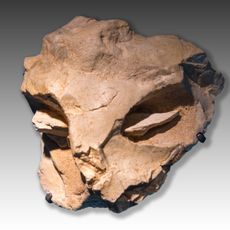
A flint piece known as the Mousterian mask features carved details that suggest a human or animal face. This artifact represents one of the earliest examples of a deliberately shaped facial representation from prehistoric times.
The community of curious travelers
AroundUs brings together thousands of curated places, local tips, and hidden gems, enriched daily by 92,426 contributors worldwide.