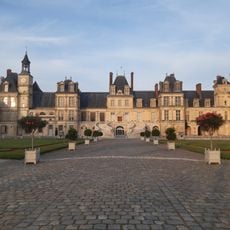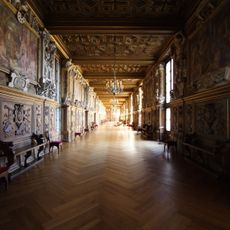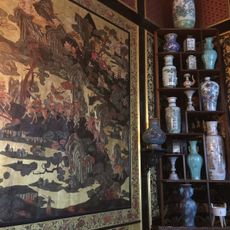
Parc du château de Fontainebleau, garden in Fontainebleau, France
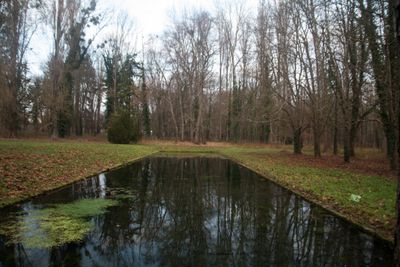
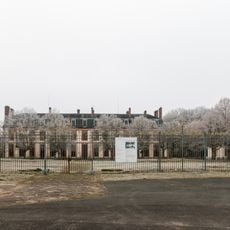
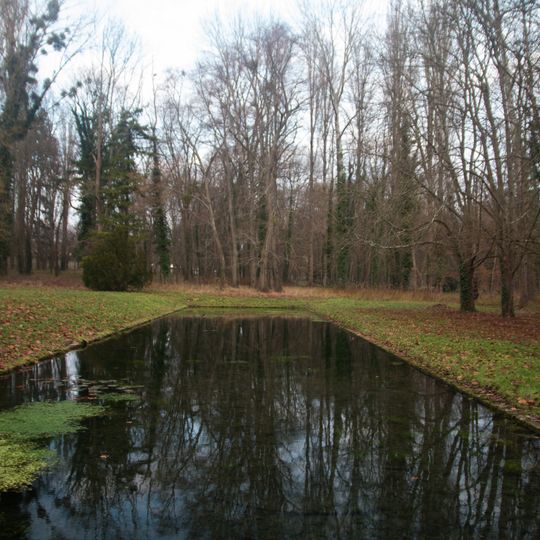
The Fontainebleau palace gardens form a large landscape spanning 130 hectares with multiple styles and sections. It combines formal French gardens with trimmed hedges and straight paths, a more natural English garden with winding trails, several ponds and basins, fountains, sculptures, and ancient trees.
The gardens began developing in the 16th century under several French kings who used the estate as a summer residence. During the 17th century, the renowned landscape designer Le Notre created the formal French garden with its long lines and symmetrical shapes, while a more natural English garden was added in the 19th century.
The gardens served for centuries as spaces where French royalty strolled and celebrated. Today, visitors can observe how tastes and fashions changed over time, reflected in the shift from formal French layouts to more natural English-style sections.
The gardens are free to enter, making them accessible to everyone. Visitors should wear comfortable shoes since a walk through the entire grounds takes about three hours, and it helps to bring a map or guide to navigate the different sections.
A remarkable feature is the stone grotto built in the early 16th century, displaying skillfully carved Atlantes figures that appear to support the structure. This artificial grotto was a new Renaissance idea meant to blend nature and art while surprising visitors.
The community of curious travelers
AroundUs brings together thousands of curated places, local tips, and hidden gems, enriched daily by 91,156 contributors worldwide.