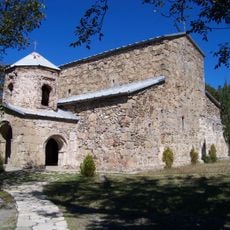
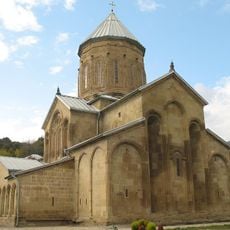
Samtavro necropolis, Archaeological burial ground in Mtskheta, Georgia
Samtavro necropolis covers about 18 hectares on the northern edge of Mtskheta, near the Samtavro monastery. Around 3,000 graves of different types have been excavated, from Early Bronze Age pits to stone cists, sarcophagi and brick tombs of the 1st–3rd centuries AD. Finds include polished and glazed pottery, bronze and flint tools, engraved bronze belts, gold and silver jewellery, coins and glassware.
The burial site was first explored by archaeologists in the 1800s and reveals settlement from the Bronze Age through the medieval period. Each layer uncovers different time periods that document the long history of this region.
The burial sites display different grave structures made from stone, sarcophagi, and brick, showing how funeral practices changed throughout ancient Georgia. These variations in construction reflect the different peoples and periods that shaped the region.
The site contains multiple archaeological layers that are still being studied and partially excavated. It is helpful to walk with a guide to understand the different grave types and their significance.
Excavations have found burials from the 4th and 5th centuries that show people here had funeral practices different from Christian customs of that time. These graves offer insight into the diversity of religious and cultural beliefs in the region.
The community of curious travelers
AroundUs brings together thousands of curated places, local tips, and hidden gems, enriched daily by 94,420 contributors worldwide.