Attica Prefecture, former administrative division of Greece (till 1997) - geographically same to current Attica Region
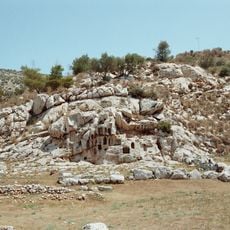
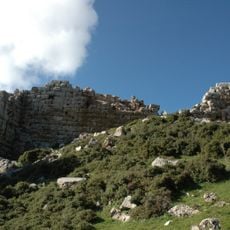
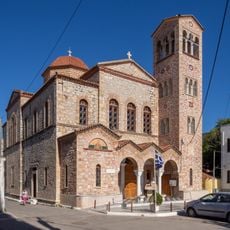
Attica is a prefecture in southeastern Greece and includes the city of Athens along with islands and coastal areas. The region consists of hills, flat coastal zones, mountain ranges such as Parnitha, and forests with pine and fir trees, interspersed with neighborhoods featuring narrow streets, small squares, and the large port of Piraeus.
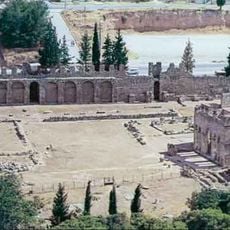
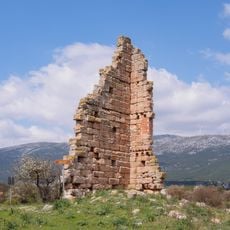
Attica was a center of civilization in ancient times and was initially organized by King Kekropas into 12 city-states. During the 5th century BC, Athens became a power that produced democracy, philosophy, and the arts, while the region later came under Macedonian, Roman, and Byzantine rule as well as Turkish occupation.
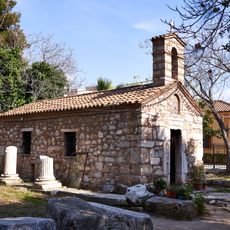
The name Attica comes from ancient times and refers to the region surrounding Athens. Today, visitors can see traditional houses with colored facades in the narrow streets of neighborhoods and watch people gather in coffee shops and small squares, reflecting social habits that have lasted for centuries.
The region is best explored on foot, as many streets are narrow and full of activity, especially in Athens neighborhoods. The port of Piraeus is easily accessible and offers a good starting point for ferries to the islands, while beaches and the Temple of Poseidon at Cape Sounion are popular day trip destinations.
The poet Lord Byron scratched his name into a column of the Temple of Poseidon, where it can still be seen by visitors today. This marking reminds travelers of the long history of artists and writers who were inspired by this ancient site.
The community of curious travelers
AroundUs brings together thousands of curated places, local tips, and hidden gems, enriched daily by 60,000 contributors worldwide.