Messenia, Historical region in southwestern Peloponnese, Greece
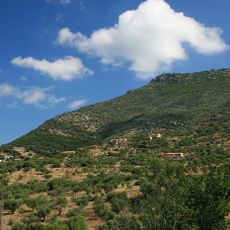
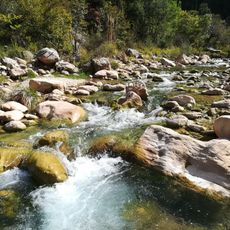
Messenia is a historical region in southwestern Peloponnese that extends from the Taygetus mountains in the east to the Ionian Sea in the west. The territory encompasses fertile valleys and plains, creating a landscape suited for agriculture and coastal settlement.
Sparta conquered Messenia around 735 BCE, subjugating its people for centuries and creating cycles of resistance and failed uprisings. Independence returned after the Battle of Leuctra in 371 BCE, when the region regained control of its own affairs.
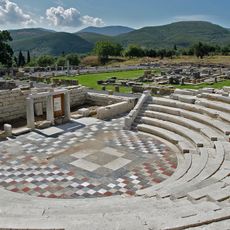
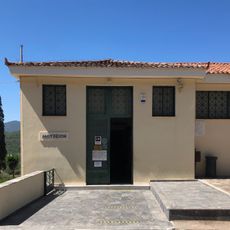
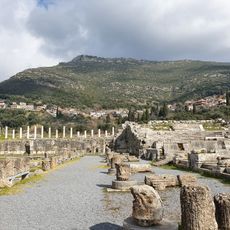
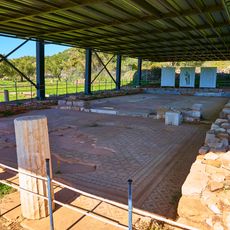
The region takes its name from the ancient Messenian people, whose identity shaped the territory's character across generations. Visitors can see in local museums and archaeological sites how this population maintained distinct traditions despite periods of foreign control and displacement.
The region is best explored by car, as archaeological sites and towns are spread across the flat plains and coastal areas. Spring and autumn offer the most comfortable visiting conditions, as summers bring intense heat while winters can be wet.
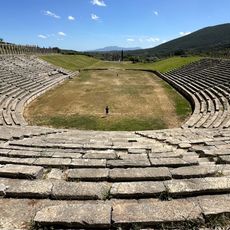
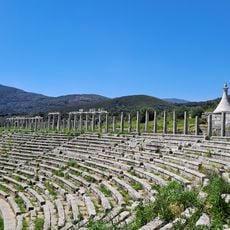
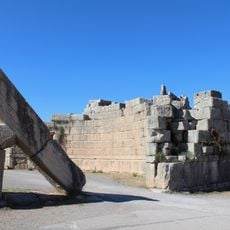
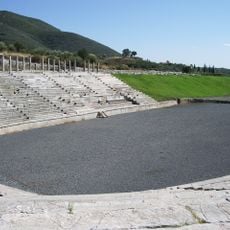
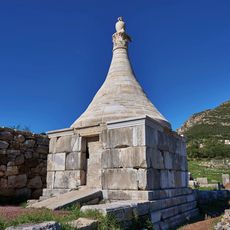
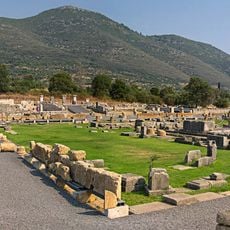
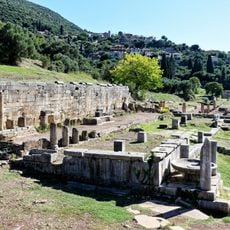
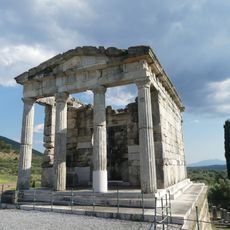
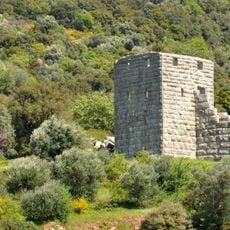
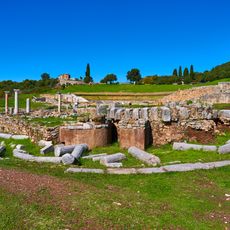
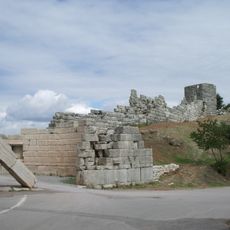
After the defeat of Sparta, the city of Messene was founded with defensive walls extending several kilometers, making it one of the largest fortified cities of ancient Greece. This construction demonstrates how urban planning and military strategy were combined to solidify a newly won independence.
The community of curious travelers
AroundUs brings together thousands of curated places, local tips, and hidden gems, enriched daily by 92,234 contributors worldwide.