Eion, Archaeological site in Pangaio Municipality, Greece
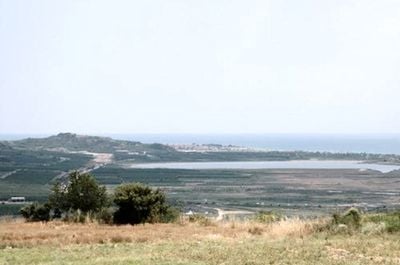
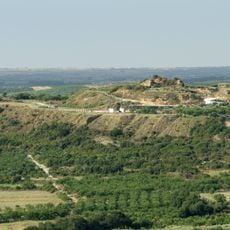
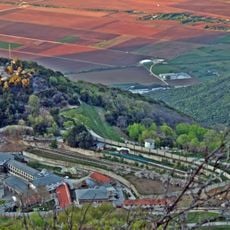
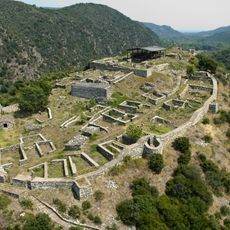
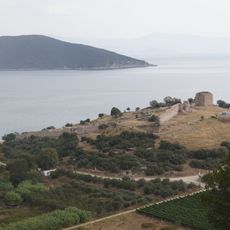
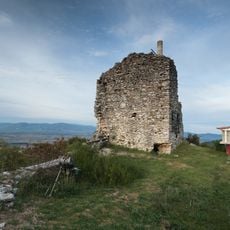
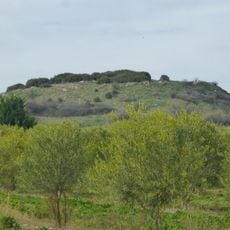
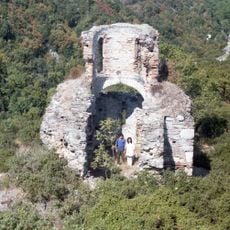
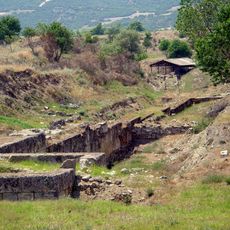
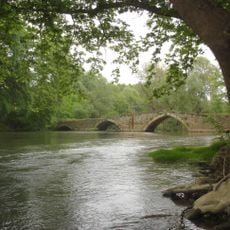
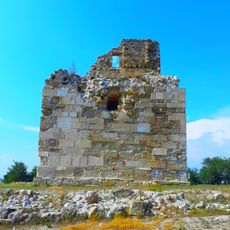
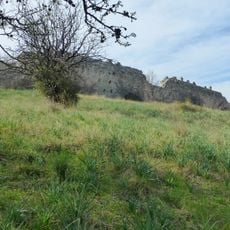
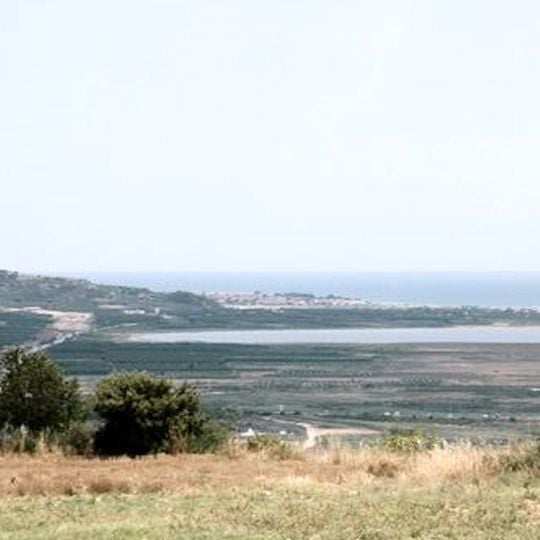
Eion is an ancient city at the mouth of the Strymon River, where it empties into the Aegean Sea, in Pangaio Municipality, Greece, and it served as a harbor and trading point for centuries. The remains on the ground include stretches of walls and building foundations that reflect multiple construction phases over a long period of use.
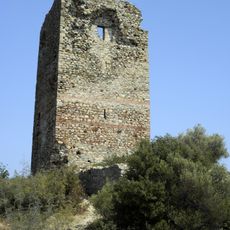
The Persians built a fortress here around 500 BC as a supply base under King Xerxes I, and the Athenians took control of the site shortly after. Centuries later, Byzantine communities resettled the area and left their own building traces on top of the earlier ones.
Walking through the site, you can see how stones from earlier buildings were reused in later ones, a practice that shows how each community adapted what was already there. The mix of Greek and Byzantine remains side by side gives the place a layered quality that is easy to read even without specialist knowledge.
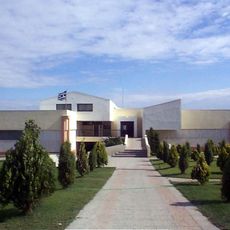
The site sits close to a river delta and the ground can be soft or uneven, so solid footwear makes the visit more comfortable. On-site panels help identify the different areas and explain what remains from each period.
When the Athenians besieged the fortress in 476 BC, the Persian commander chose to burn it down rather than surrender, leaving fire damage that archaeologists have found in the ruins. This makes the site one of the few places where a specific historical choice can be read directly in the physical remains.
The community of curious travelers
AroundUs brings together thousands of curated places, local tips, and hidden gems, enriched daily by 91,688 contributors worldwide.