South Aegean Volcanic Arc, Volcanic arc in South Aegean, Greece.
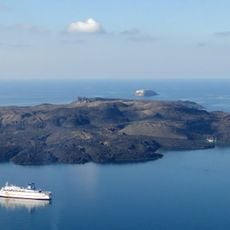
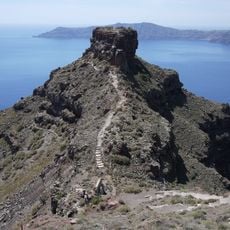
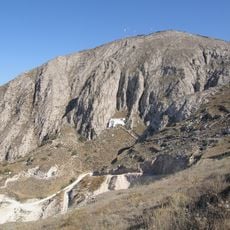
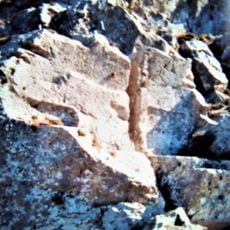
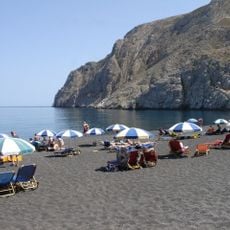
The South Aegean Volcanic Arc is a zone of volcanic activity stretching across several Greek islands with varied landforms shaped by past eruptions. The region includes islands like Santorini, Milos, and Nisyros, each showing dark lava fields, hot springs, and striking rock formations in shades of red, yellow, and black.
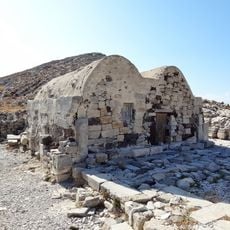
The volcanic arc formed through tectonic processes as the African plate moves beneath the Eurasian plate. A major eruption of Santorini around 1600 BCE profoundly affected Mediterranean civilizations and buried the ancient Minoan city of Akrotiri under layers of ash.
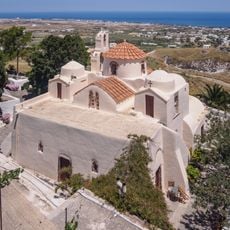
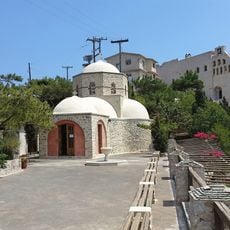
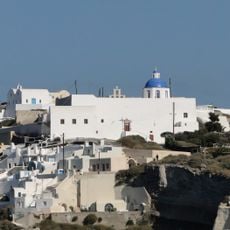
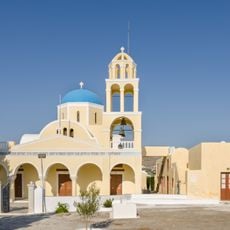
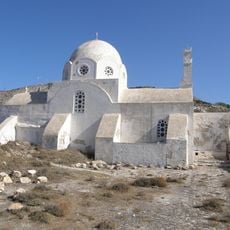
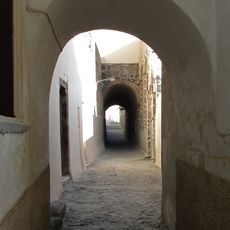
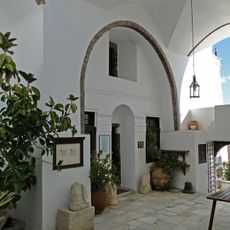
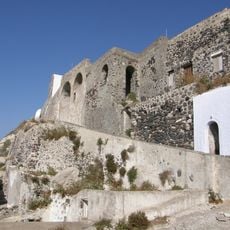
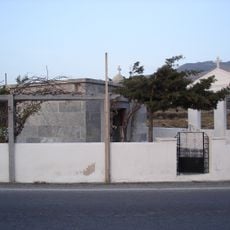
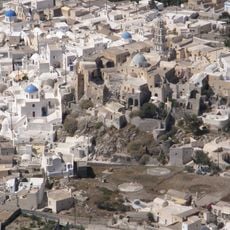
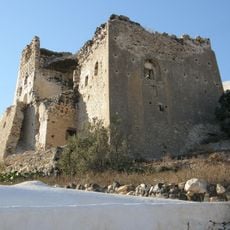
The islands shape daily life through their distinctive building style, where thick stone walls and compact structures reflect centuries of living with seismic risks. You notice how settlements cluster tightly, with whitewashed homes designed to withstand earthquakes and the intense Mediterranean sun.
These islands are accessible year-round by ferry from Athens, with regular service to Santorini, Milos, and Nisyros. Spring and autumn offer the best conditions for exploration, with pleasant temperatures and fewer crowds on the islands.
Active underwater volcanoes lie beneath the sea along the arc, continuously monitored by scientists using specialized equipment. This monitoring detects seismic activity and gas emissions that reveal what is happening beneath the surface.
The community of curious travelers
AroundUs brings together thousands of curated places, local tips, and hidden gems, enriched daily by 90,903 contributors worldwide.