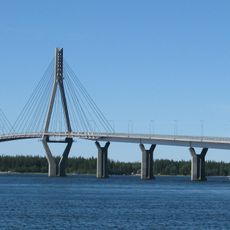
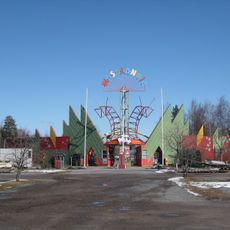
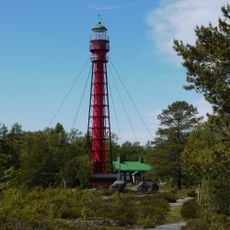
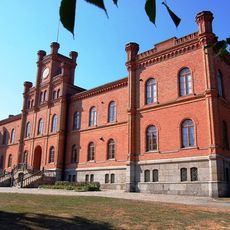
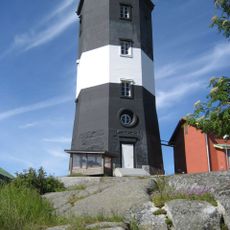
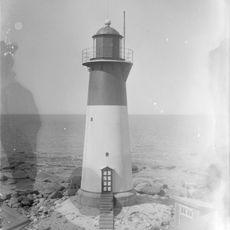
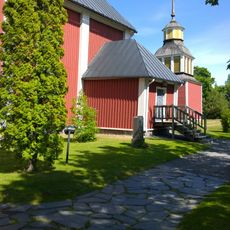
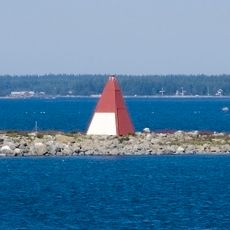
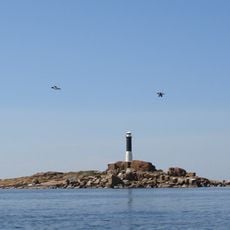
High Coast/Kvarken Archipelago, Natural World Heritage Site across Kramfors Municipality and Vaasa, Sweden and Finland.
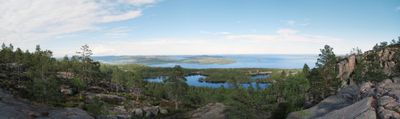
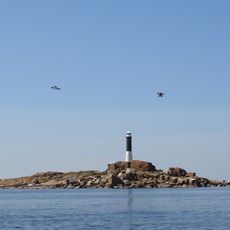
The High Coast and Kvarken Archipelago stretch across both sides of the Bothnian Bay and feature steep cliffs, deep fjords, and numerous islands formed through geological processes since the Ice Age. The landscape contains a mix of rocky coastlines, forests, and water, spread across hundreds of kilometers.
The region began forming about 20,000 years ago when the weight of the ice sheet disappeared and the earth's crust started rising. This uplift shaped the cliffs, islands, and fjords that define the area today.
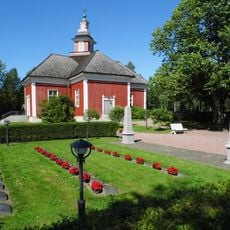
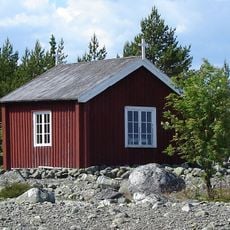
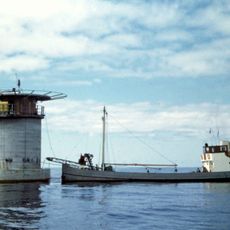
Traditional fishing villages dot the coastline and show maritime traditions through local museums, boat builders, and seasonal fishing practices. These crafts and ways of life remain part of daily life and connect visitors to the region's past.
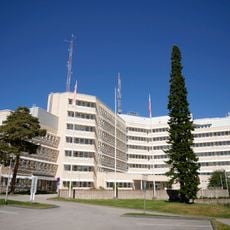
The World Heritage Gateway Visitor Centre offers exhibits, guided tours, and information about hiking trails throughout the area. Many trails are well-marked, but it helps to carry local maps and watch for changing weather.
The land rises here by a few millimeters each year, creating new islands and expanding existing landmasses. This visible geological change is among the fastest in Europe and makes each visit a glimpse into a landscape that is constantly transforming.
The community of curious travelers
AroundUs brings together thousands of curated places, local tips, and hidden gems, enriched daily by 91,285 contributors worldwide.