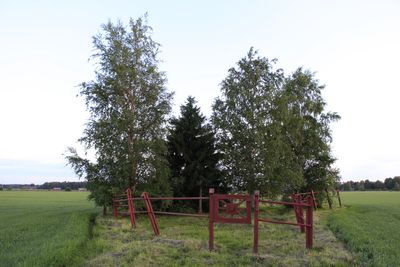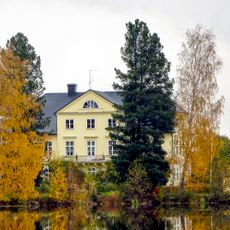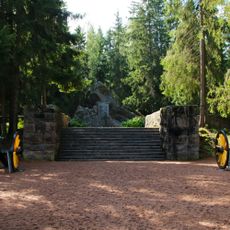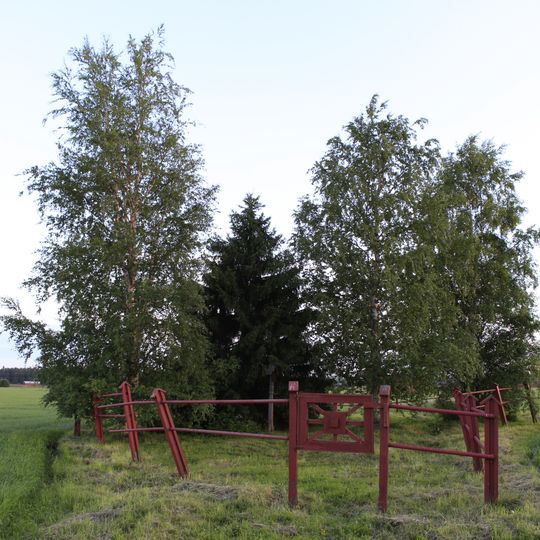
Levänluhta, Iron Age cemetery in Isokyrö, Finland.
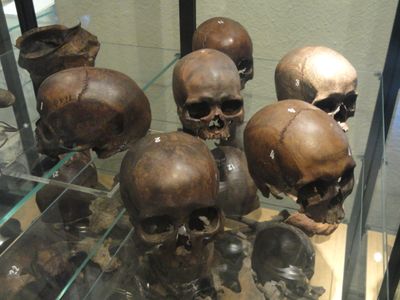
Levänluhta is an ancient burial ground in a waterlogged area near a natural spring where skeletal remains of over 100 individuals, mostly women and children, were preserved. The wet conditions protected bones and objects that would otherwise have decomposed completely.
The cemetery dates from the 5th to 8th century and has been studied by archaeologists since the 1800s. Its use as a burial place extended across several generations of the local population.
The burial ground reflects the daily life and connections of its inhabitants through grave goods like bronze jewelry and arm rings that suggest broader trade networks. Visitors can observe these objects to understand what mattered to the people who lived in the region during this period.
The site is located in wetland terrain and is best visited during warmer months when the ground is drier and more accessible. Sturdy footwear is recommended for walking safely across the uneven ground.
Genetic studies of the buried individuals reveal ancestral links to Siberia, showing early population movements of Finno-Ugric peoples into the region. This scientific finding connects the local story to broader migrations across northern Eurasia.
The community of curious travelers
AroundUs brings together thousands of curated places, local tips, and hidden gems, enriched daily by 91,556 contributors worldwide.