Krapina, town and settlement in Krapina-Zagorje County, Croatia
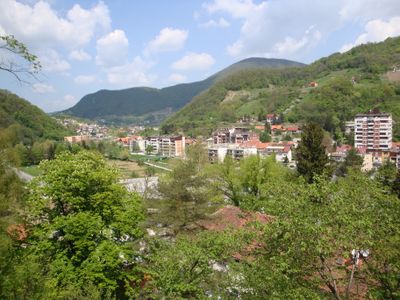
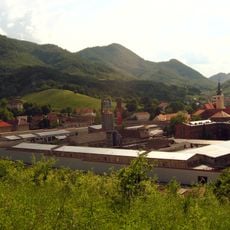
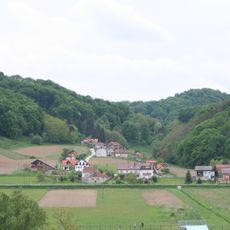
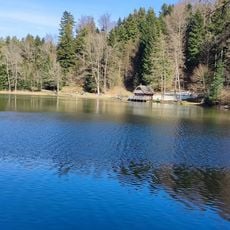
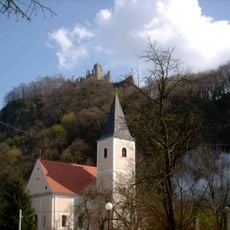
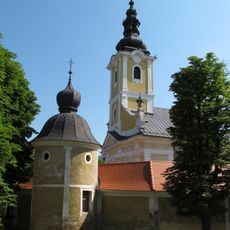
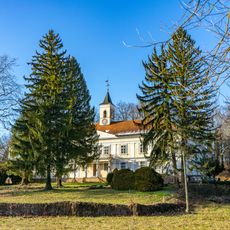
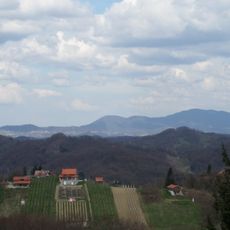
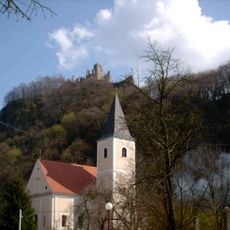
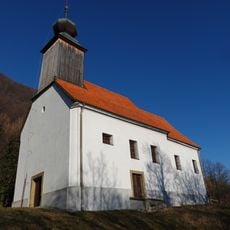
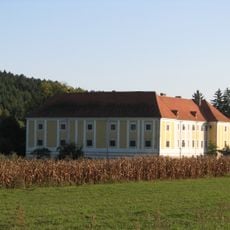
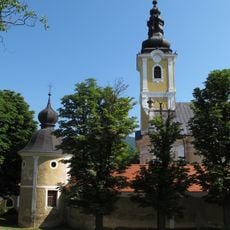
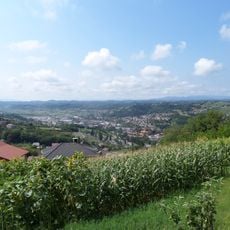
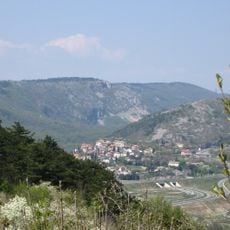
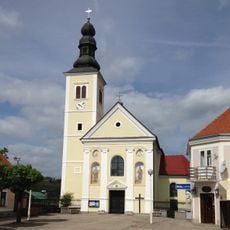
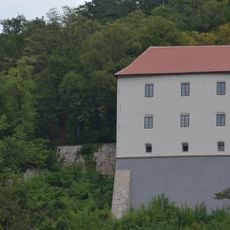
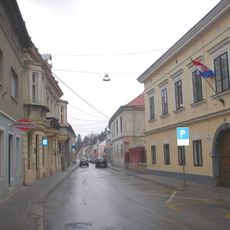
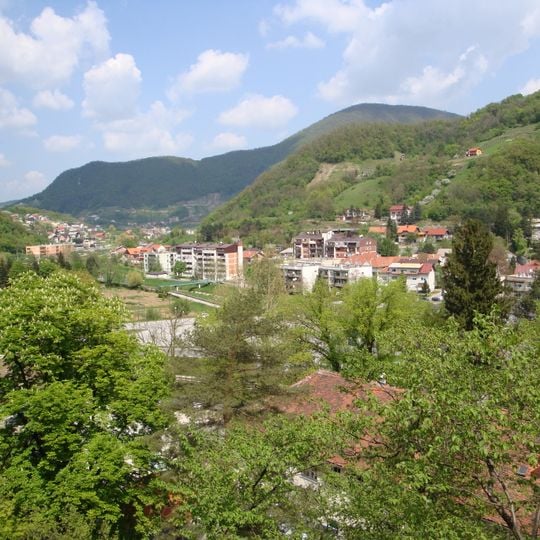
Krapina is a small town in the Krapina-Zagorje region, distinguished by stone buildings with traditional architecture and narrow streets that reflect different periods. The surrounding landscape features wooded hills, fields, and natural areas that have been part of the town's setting for centuries.
Krapina was first mentioned in written sources at the end of the 12th century and received the status of a free royal town in the 14th century. Over the centuries, it served as a center for trade and crafts, and hosted important meetings during Turkish attacks in medieval times.
The name reflects the town's medieval roots, and it remains a place where locals keep traditions alive through festivals and folk music. Visitors can observe how people gather in the main square during celebrations, dressed in traditional clothes and sharing local customs.
The town offers lodging options ranging from small guesthouses to larger hotels, making it convenient to explore nearby regions. Visitors often enjoy walking through quiet streets and sitting in local cafes, while hiking and biking are popular activities in the surrounding hills and forests.
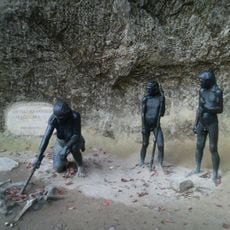
The town is internationally known for the discovery of Neanderthal remains at the Hušnjakovo site, where bones of humans from about 40,000 years ago were found. A museum at this location displays these finds and helps visitors understand how early humans lived and adapted.
The community of curious travelers
AroundUs brings together thousands of curated places, local tips, and hidden gems, enriched daily by 92,229 contributors worldwide.