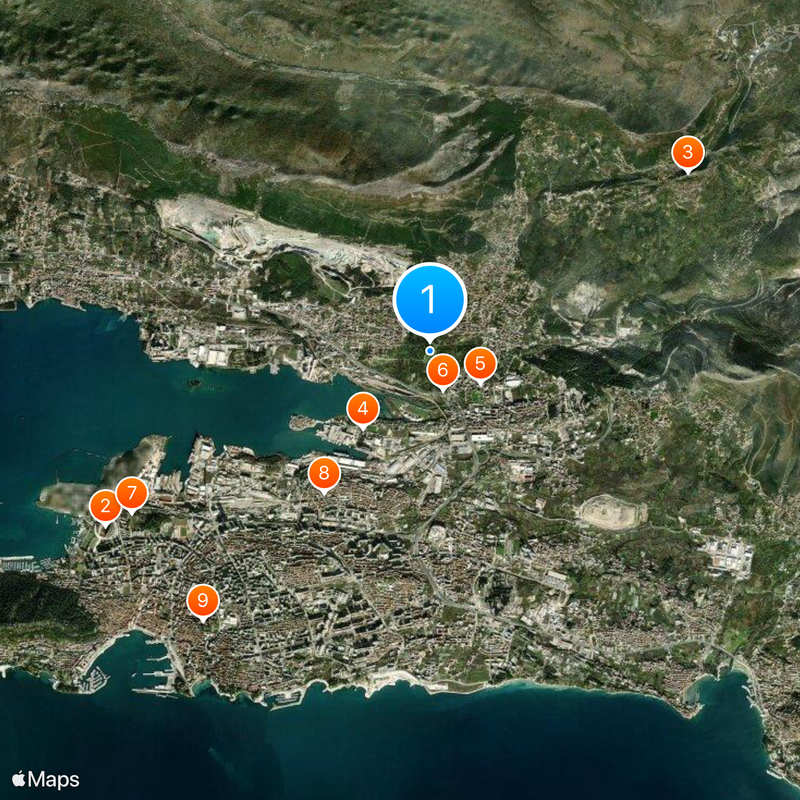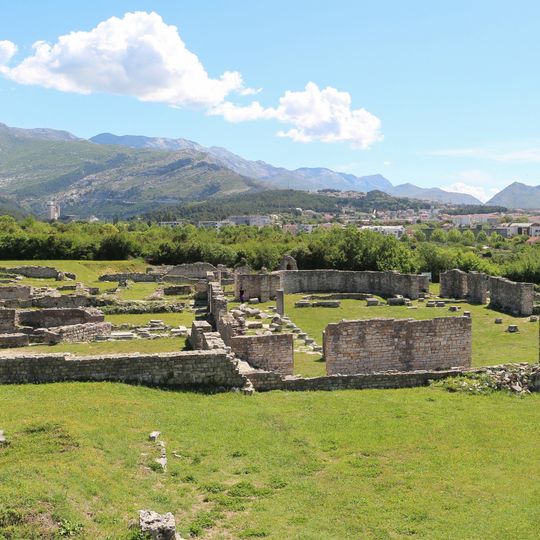
Salona, Archaeological site in Solin, Croatia
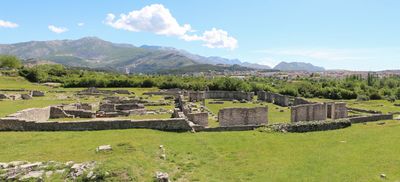
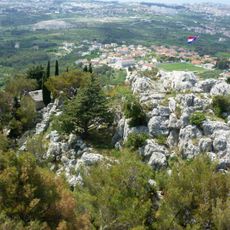
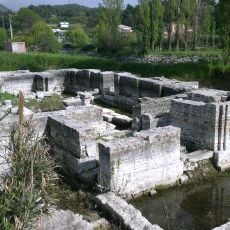
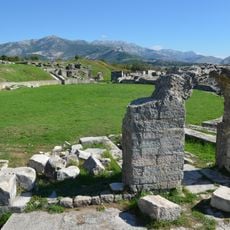
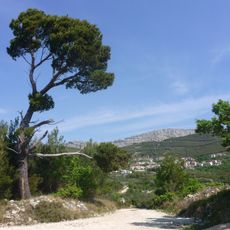
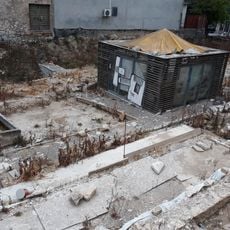
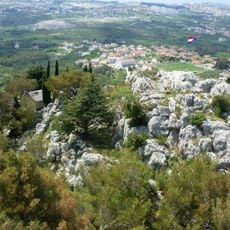
Salona is an extensive ruin site in Solin with remains of temples, basilicas, an amphitheater, city walls, and residential buildings. The stones lie scattered among meadows and olive trees, with some walls still rising several meters high.
The city began in the 3rd century BC as an Illyrian settlement and later became capital of the Roman province of Dalmatia. Avars and Slavs destroyed it in the 7th century, prompting residents to move to Split.
The name comes from the Illyrian word for salt, harvested in the area for centuries. Visitors today see columns and foundations once used by a population of Romans, Greeks, and native Dalmatians.
The grounds are mostly open air without shade, so arriving early morning or late afternoon works best. Sturdy shoes are advisable because paths are uneven and gaps appear between stones.
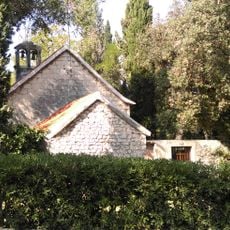
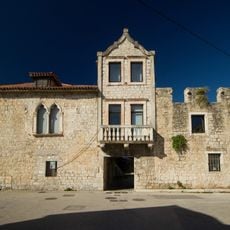
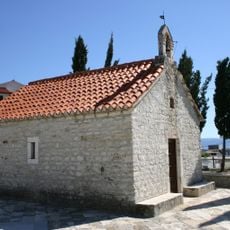
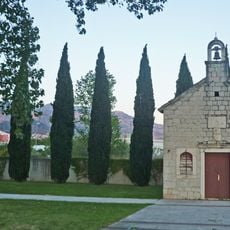
A small Roman cemetery lies right next to the amphitheater, its gravestones showing inscriptions in Latin and Greek. The Tusculum building at the edge of the grounds preserves fragments from Split cathedral and its old bell tower.
The community of curious travelers
AroundUs brings together thousands of curated places, local tips, and hidden gems, enriched daily by 92,633 contributors worldwide.