Fortress Gripe, Stone fortification in Split, Croatia
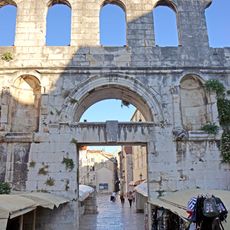
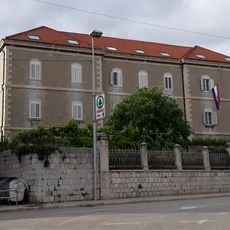
Fortress Gripe is a 17th-century fortification on the Gripe hill east of Split's centre, in the Lučac-Manuš district. It was built as a system of earth-filled bastions (terrapienata) linked by strong curtain walls, designed by the military engineer Alessandro Magli. Today the complex houses the Croatian Maritime Museum and the State Archives.
Fortress Gripe was built in the 17th century during the Candian War (1645–1669) between Venice and the Ottoman Empire, on the Gripe hill from which Turkish guns could shell Split. The military engineer Alessandro Magli was put in charge of the works, built as earth-filled bastions (terrapienata) joined by strong curtain walls. In 1657 the Turks took the still unfinished fortress, but the people of Split, helped by troops from Trogir, Brač, Hvar and a Venetian fleet from Kotor, retook it. A barracks for the Austrian army was later added inside.
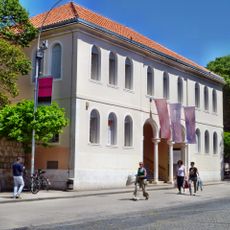
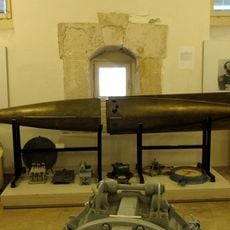
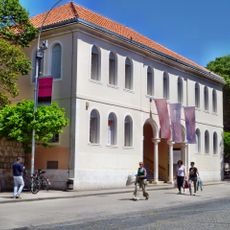
The fortress now houses the Croatian Maritime Museum and the Croatian State Archives, and concerts are held in the complex. The hilltop site east of the old town thus serves research, exhibitions and public events rather than defence.
Fortress Gripe stands on the Gripe hill east of Split's old town, in the Lučac-Manuš district, so the climb starts once you leave the Diocletian's Palace area. The complex holds the Croatian Maritime Museum and the State Archives, and concerts are held inside; check opening times before setting out, as the walk up is steady.
During the 1657 siege the unfinished fortress was taken by Ottoman troops, retaken by Split's citizens, then attacked again on 18 June; help came from Trogir, Brač and Hvar, and on 21 June a Venetian fleet from Kotor arrived. The defenders included townspeople, not only a garrison.
The community of curious travelers
AroundUs brings together thousands of curated places, local tips, and hidden gems, enriched daily by 94,112 contributors worldwide.